How Many Days Do You Need In Glacier National Park?
Glacier National Park is bigger than most first-time visitors expect, and its three main hubs sit up to two and a half hours apart by road. The honest answer to how many days you need starts with those drive times, then works backward.
Short answer
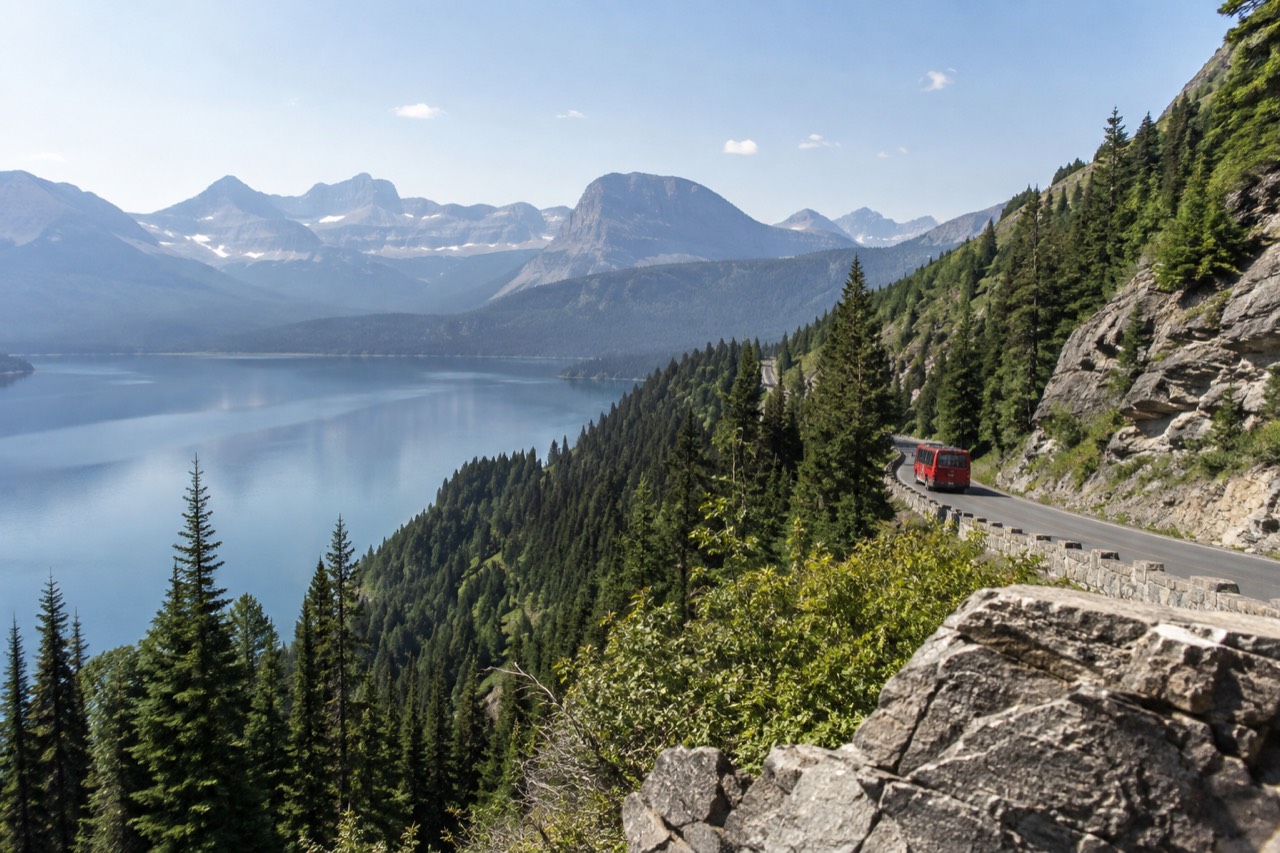
One day covers Going-to-the-Sun Road end to end if the alpine section is open, roughly 50 miles and two hours of driving plus stops. Three days let you add Many Glacier and a hike or raft trip. Five days cover all three hubs plus Two Medicine or the North Fork without rushing.
Glacier National Park covers 1,013,126 acres, and its famous road is only one of several corridors that sit hours apart. The park recorded 3,136,557 recreation visits in 2025, and 47.3 percent of them arrived in July and August alone, which means the crowd problem and the distance problem compound each other in peak summer. Planning how many days you need is really a question of how many of the park's hubs you can reach without spending your vacation in a car.
This guide measures the real drive times between the three main hubs, then works through what one, three and five days each buy in practice. It also flags where a guided tour or an audio driving app saves time, and where the park's own shuttle rules change the arithmetic. If you are comparing the full range of options, Glacier National Park Tour Packages breaks down every bookable tour by category.
How Many Days Do You Need In Glacier National Park?
Two nights is the practical minimum for a first visit, which gives you one full day on Going-to-the-Sun Road and nothing else. Three days is the number most visitors should aim for, because it adds Many Glacier and one hike or raft trip on top of the road. Five days covers all three hubs, a boat tour, and either Two Medicine or the North Fork, without the marathon drives that ruin shorter trips.
The reason is geography. West Glacier, St. Mary and Many Glacier form a triangle whose shortest side is 70 miles and whose longest drives run two and a half hours. A single day spent crossing Going-to-the-Sun Road, 50 miles between the West Entrance and St. Mary, leaves no time for the trails that make the park famous. The National Park Service directions page publishes the drive times below, and they hold up in real traffic only outside the July and August peak.
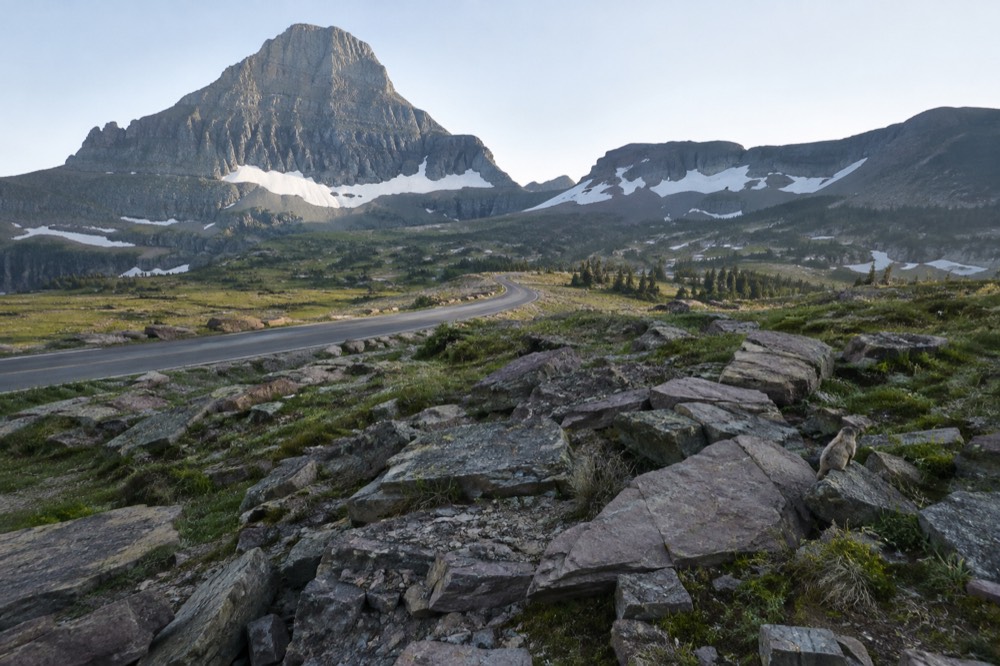
Season matters as much as days. The full length of Going-to-the-Sun Road opened on June 22 in 2026 and typically closes around the third Monday in October, so a June or September trip may have fewer corridors open but far fewer people. Our guide to the best time to visit Glacier works through that trade-off in detail.
How Far Apart Are The Park's Main Areas?
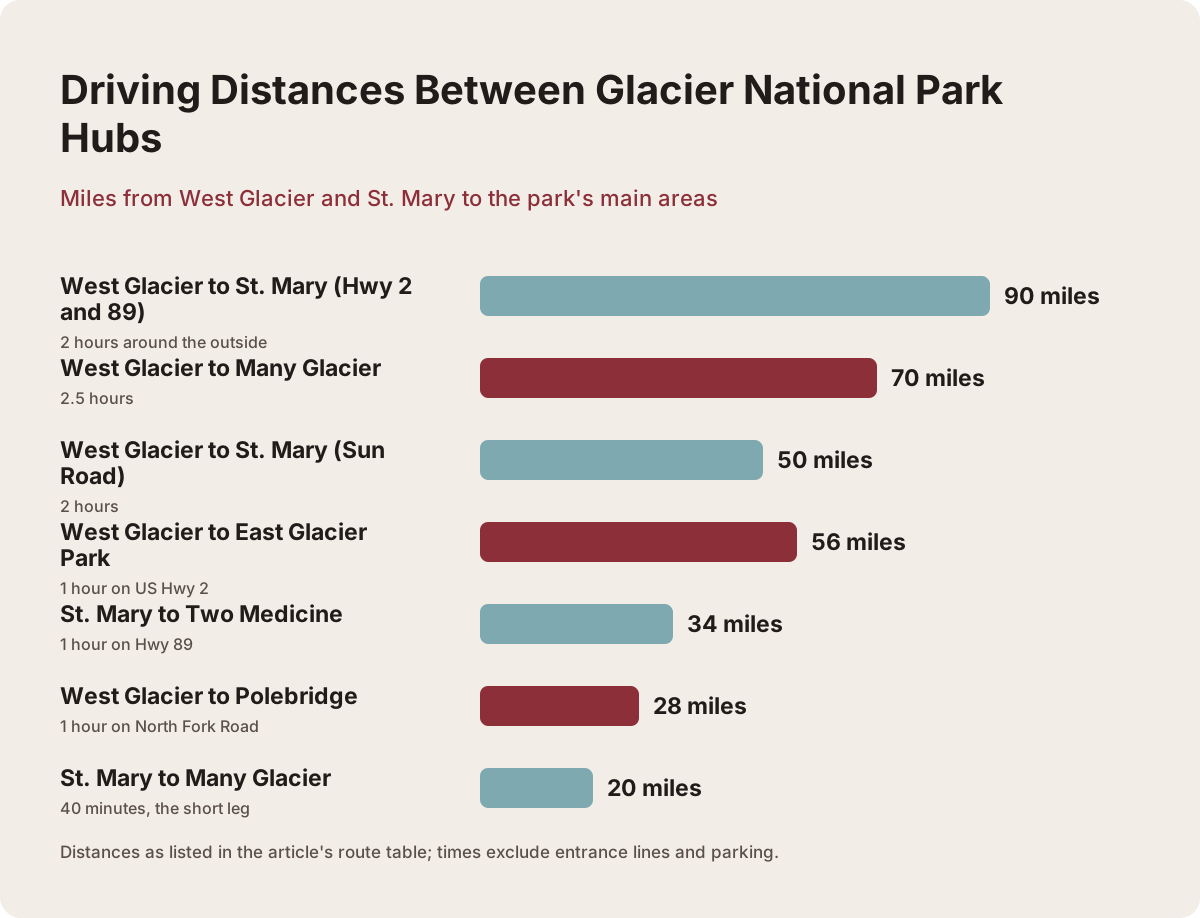
West Glacier to St. Mary is 50 miles and two hours by Going-to-the-Sun Road, or 90 miles and two hours around the outside on Highway 2 and 89. West Glacier to Many Glacier is 70 miles and two and a half hours. St. Mary to Many Glacier is the short leg at 20 miles and 40 minutes, which is why most itineraries pair those two last.
Those times are pure driving. They exclude entrance lines, parking searches at Logan Pass, and the slow crawl behind sightseeing traffic on the alpine section, all of which stretch in July and August. In 2026 the park also piloted a three-hour parking limit at the Logan Pass lot from July 1 through September 7, so a midsummer day at the pass is now a bounded window rather than an open-ended stop.
| From | To | Route | Distance | Time |
|---|---|---|---|---|
| West Glacier | St. Mary | Going-to-the-Sun Road | 50 miles | 2 hours |
| West Glacier | St. Mary | US Hwy 2 and Hwy 89 | 90 miles | 2 hours |
| West Glacier | Many Glacier | Going-to-the-Sun Road then Hwy 89 | 70 miles | 2.5 hours |
| West Glacier | East Glacier Park | US Hwy 2 | 56 miles | 1 hour |
| West Glacier | Polebridge | North Fork Road | 28 miles | 1 hour |
| St. Mary | Many Glacier | Hwy 89 and Many Glacier Road | 20 miles | 40 minutes |
| St. Mary | Two Medicine | Hwy 89 | 34 miles | 1 hour |
| St. Mary | Waterton Lakes, Canada | Hwy 89 and Chief Mountain | 50 miles | 1 hour plus customs |
Two consequences follow from this table. First, a trip based in West Glacier that tries to reach Many Glacier for a morning hike means a pre-dawn start. Second, the outside route around the southern boundary is no slower than the scenic road between the same two endpoints, which makes it useful when the alpine section closes early for snow. Our Glacier itinerary guide builds day-by-day plans around exactly these numbers.
For travelers who want the road's story without the parking gamble, a narrated app is the cheapest upgrade available.
The Going-to-the-Sun Road audio tour runs from $9.99 per group of up to 15 people, holds a 4 rating across 27 reviews, and covers 27 confirmed stops from West Glacier through Saint Mary, including Lake McDonald Lodge, Avalanche Lake, Logan Pass and Wild Goose Island. You drive your own car, so the day bends around your pace rather than a departure time.
What Can You Actually See With One Day?
One day buys the Going-to-the-Sun Road corridor and nothing else. Driven west to east, that means Lake McDonald, the Trail of the Cedars, Logan Pass and Saint Mary, with time for two or three short walks if you start early. It does not buy Many Glacier, Two Medicine, a boat tour, or any hike longer than the Hidden Lake Overlook.
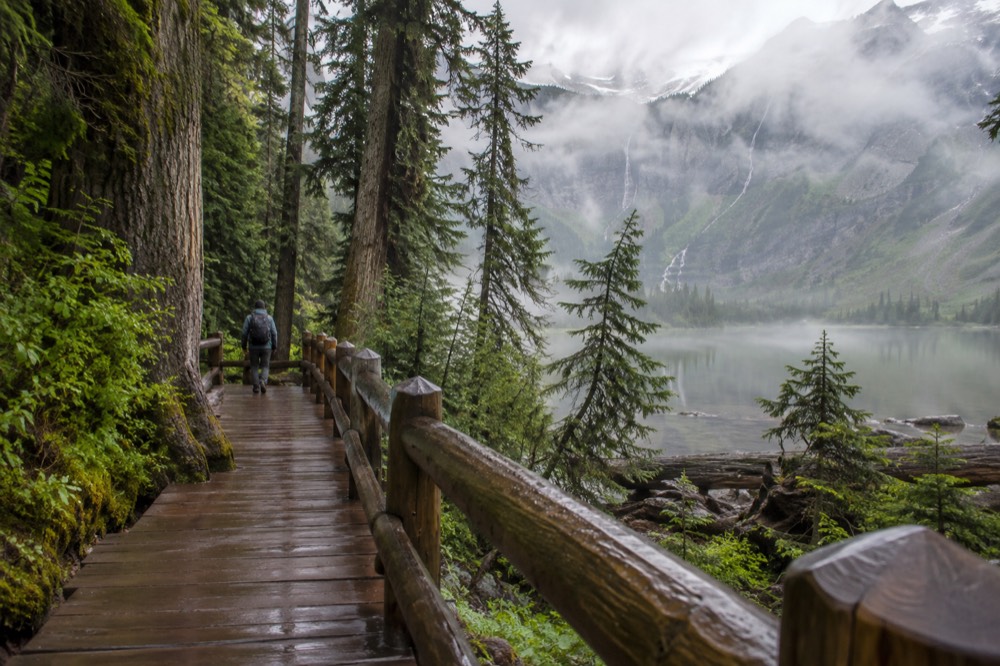
The realistic one-day shape is a 6:30 a.m. start from West Glacier, the 0.7-mile Trail of the Cedars boardwalk at Avalanche, and Logan Pass before the parking lot fills. The Hidden Lake Overlook adds 1.4 miles and 460 feet each way from the visitor center. From the pass, the east-side descent passes Wild Goose Island and Jackson Glacier Overlook before Saint Mary. Done this way the day is full but not frantic.
One caveat changes everything: the alpine section only runs late June or early July through mid-October, and vehicles longer than 21 feet or wider than 8 feet including mirrors are prohibited between Avalanche Creek and Rising Sun. When the road is closed or your vehicle is too big, the park itself points oversized drivers toward either the ticketed shuttle or a guided tour with an authorized operator. The NPS Logan Pass access page states that directly.
The West Side Driving Tour is the bookable answer on this site for that scenario. It runs 6 hours from $250 per person with hotel pickup and lunch included, holds a 4.8 across 37 reviews, and covers Apgar Village and Lake McDonald while skipping the Sun Road entirely, which makes it a one-day option for early season or oversized-vehicle trips.
Is Three Days The Right Number For A First Visit?
Three days is the sweet spot for most first visits. Day one covers Going-to-the-Sun Road, day two reaches Many Glacier for a hike or the historic boat tour, and day three takes a raft trip on the Middle Fork Flathead or a guided nature walk, both of which depart from the West Glacier area and need no driving across the park.
The three-day plan works because each day clusters around one hub. The Many Glacier day uses the short 40-minute hop from St. Mary, and the west-side activity day needs almost no driving at all. That third day is where the bookable roster on this site is strongest: half-day whitewater rafting on the Middle Fork runs from $55 per person and holds a 4.9 across 1,959 reviews, and the 4-hour guided nature walk runs from $70 per person with a 4.9 across 127 reviews.
| Day | Base | Driving | Realistic activities |
|---|---|---|---|
| 1 | West Glacier | 50 miles, one way | Going-to-the-Sun Road, Trail of the Cedars, Hidden Lake Overlook |
| 2 | St. Mary or Many Glacier | 70 miles, then 40-minute hops | Iceberg Lake or Grinnell Glacier hike, Many Glacier boat tour |
| 3 | West Glacier | Under 10 miles | Half-day rafting or float, guided nature walk, Apgar and Lake McDonald |
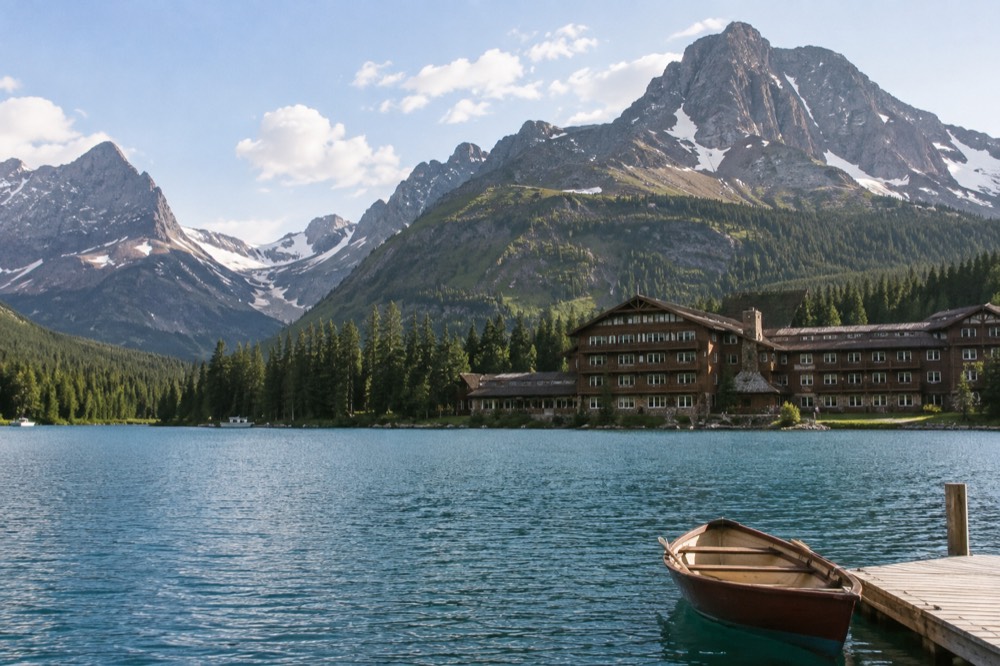
The Many Glacier day deserves the most planning attention. The Iceberg Lake trail runs 4.8 miles one way with 1,200 feet of gain, and the Grinnell Glacier viewpoint is 5.3 miles one way from the trailhead, or 3.6 miles using the concession boat across Swiftcurrent and Josephine Lakes, which cuts 3.4 miles round trip for the same 1,600 feet of climbing. The NPS glacier-viewing page publishes those figures and notes that boat reservations are highly recommended.
For the Many Glacier day without a guide, the Many Glacier audio tour covers Lake Sherburne Dam, Apikuni Falls, Many Glacier Hotel and Swiftcurrent Lake from $9.99 per group of up to 15. It is a new listing with no reviews yet, so treat it as an untested option rather than a proven one.
If the second day lands on a rainy or smoky morning, the audio format earns its keep a second time: it costs nothing to rerun, and the Many Glacier valley's short walks, including the Apikuni Falls stop, stay worthwhile in weather that would cancel a boat departure. That flexibility is the real difference between a narrated app and a fixed-departure tour when your days are limited.
What Does Five Days Buy That Three Days Do Not?
Five days adds Two Medicine and the North Fork, plus a slower second pass at whatever the first attempt missed. It also buys the buffer that Glacier genuinely requires, because one storm closing the alpine section or one bear closure on a trail can wipe out a single planned day, and a five-day trip absorbs that without losing a hub entirely.
The fourth and fifth days fill naturally. Two Medicine sits 34 miles and an hour from St. Mary, with the accessible 0.3-mile Running Eagle Falls trail and a 45-minute scenic boat tour at $20.85 for adults. The North Fork road to Polebridge is 28 miles of partly gravel driving from West Glacier, reaching Bowman Lake and Kintla Lake, and it is the quietest corridor in the park. A five-day trip can also afford a full-day raft trip with lunch, from $164 per person with a 4.9 across 401 reviews, instead of the half-day version.
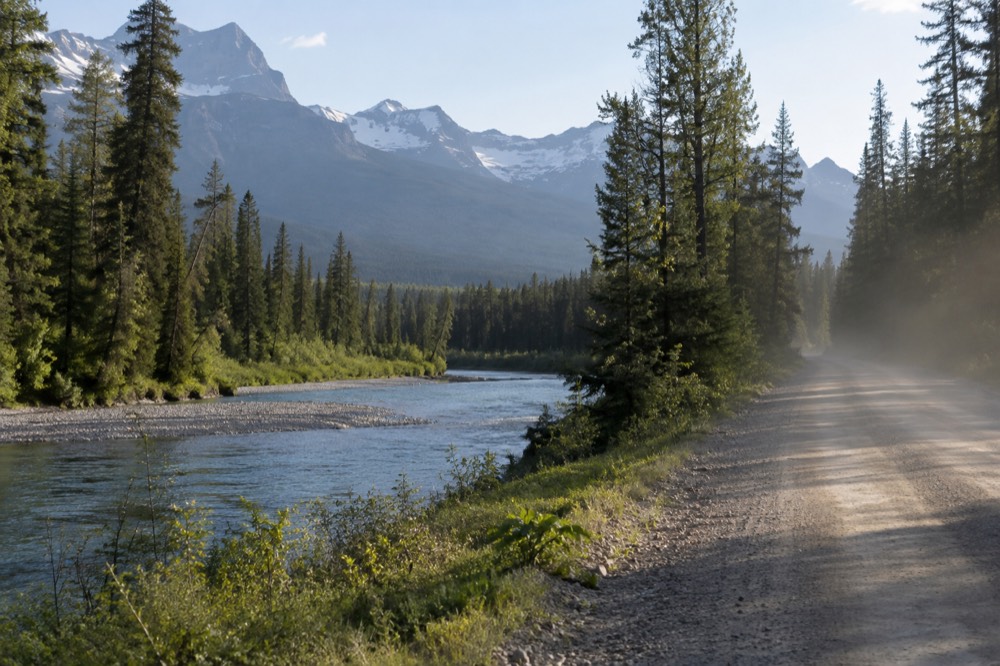
Weather is the real argument for the buffer. Snow can fall at lower elevations as early as mid-September, and in 2026 a light snowfall closed the alpine road section between Avalanche Creek and Jackson Glacier Overlook on September 14, the kind of one-day event that strands a tight itinerary. East-side winds also gust over 50 mph at times, which can close boat tours for a day. Our weather by month guide gives the full picture.
How Does The Season Change The Day Count?
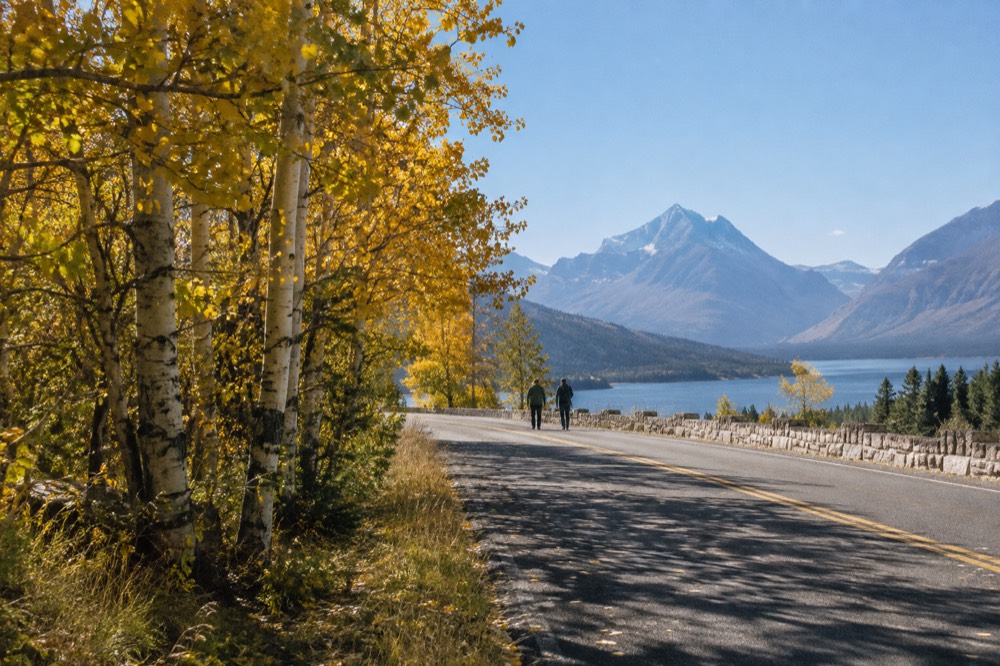
The same number of days buys far more in September than in July, because crowds drop sharply after Labor Day while the alpine road stays open into mid-October. In the off-season, November through April, the equation flips entirely: Going-to-the-Sun Road's alpine section is closed and the park becomes a winter destination where one or two days suffice for most visitors.
The visitation numbers make the case plainly. July 2025 saw 765,061 recreation visits and August 718,766, while September dropped to 552,479 and October to 127,537. The 2026 season followed the same shape, with July recording 896,386 visits, a 17 percent jump over the prior year. A September trip with the same three days effectively buys more trailhead parking, more lodge availability and more road shoulder than the identical July plan.
| Season | Alpine road status | Realistic trip length | What the days buy |
|---|---|---|---|
| Late June to mid-July | Opens late June, snow at the pass | 4 to 5 days | Waterfalls at peak flow, fewer crowds, some trails snowbound |
| Mid-July to August | Fully open | 5 days recommended | Everything accessible, maximum crowds, parking limits bite |
| September | Open until roughly the third Monday in October | 3 to 4 days | Fall color, thinner crowds, possible early snow closures |
| November to April | Alpine section closed | 1 to 2 days | Snowshoeing, winter driving tours, cross-country skiing |
Winter visitors have a real option on this roster: the Winter Driving Tour runs 5 to 6 hours from $250 per person with hotel pickup and lunch, holds a perfect 5 across 34 reviews, and covers West Glacier, Apgar and Lake McDonald when the high country is unreachable. The guided snowshoe trek, from $230 per person, is the other winter anchor.
Where Do Guided Tours Fit Into The Day Count?
Guided tours do not add days, they convert driving days into narrated ones. The biggest time savings come from tours with hotel pickup, which remove both the parking search and the route-planning overhead, and from audio apps, which cost under $20 per group and turn a self-drive day into a structured one without any schedule at all.
The choice between guiding yourself and being guided usually comes down to the vehicle and the parking gamble. In 2026 no vehicle reservations were required anywhere in the park, a first in five years, but the three-hour Logan Pass parking limit and the ticketed shuttle replaced one form of friction with another. A guided driving day with pickup sidesteps all of it. Our comparison of guided tours versus driving yourself works through the full decision.
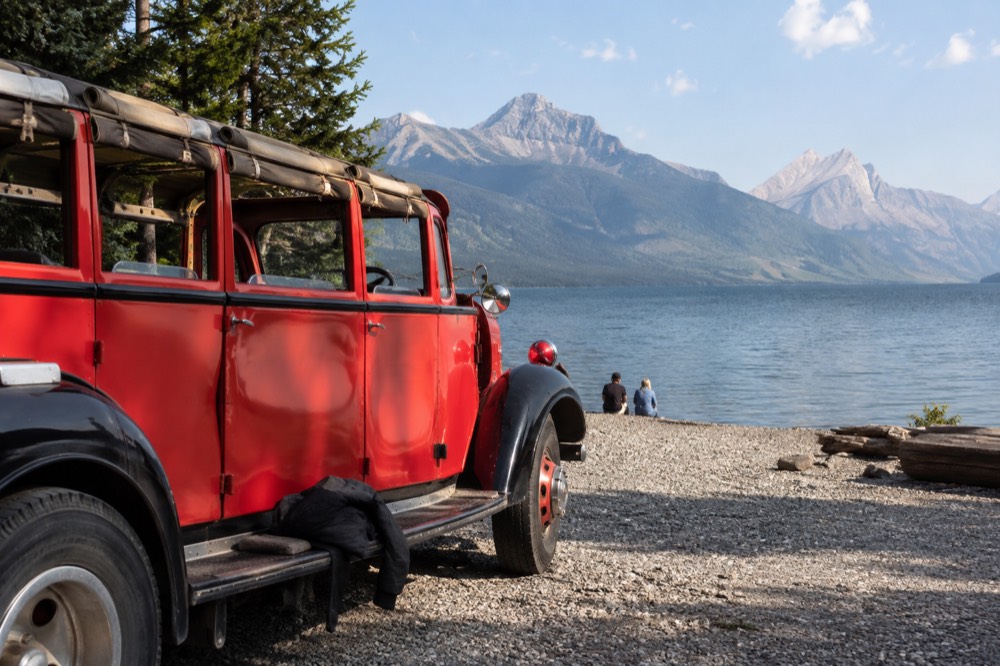
The famous experiences sit off this site's bookable roster, and that is worth saying plainly. The 1930s Red Bus tours, run by Glacier National Park Lodges with a fleet of 33 historic vehicles seating 16 passengers each, sold direct through the concessioner and tend to sell out daily in season. The Glacier Park Boat Company's historic boats, operating since 1938, sell direct too. If those are the reason for your trip, book them first and build the days around them.
The audio driving tours are where a short trip gains the most. The full-park self-guided audio driving tour costs $19.99 per group of up to 8 and holds a 4.4 across 118 reviews, covering Lake McDonald Lodge, Apgar, Logan Pass and Wild Goose Island in one app-guided day. The Sun Road version at $9.99 per group of up to 15 is the cheaper, more focused pick for a one-day crossing.
Should You Split Your Stay Between Sides?
Yes, on any trip of three days or more. Splitting nights between West Glacier and St. Mary or Many Glacier removes the two-hour crossing from the middle of your trip, converts each hub into a morning-and-evening destination rather than a day trip, and costs nothing but the second hotel booking. Single-base trips spend up to five hours a day on the roads in this table.
The practical split for three days is two nights west, one east. For five days, two west, two east and one flexible night in Whitefish or Kalispell on the way out works well, and the drive from Glacier Park International Airport to West Glacier is only 24 miles, roughly 35 to 40 minutes. Our guides on where to stay near Glacier and tours from Kalispell cover the gateway towns.
Entrance fees barely move the day-count math but are worth knowing: a private vehicle pays $35 for seven days, and the Glacier annual pass is $70, so any trip of two weeks or a second visit in a year makes the annual pass the better buy. The NPS fees page lists the full pass set, including eight fee-free days in 2026 for U.S. citizens and residents.
Common Questions About How Many Days To Spend In Glacier National Park
How Many Days Do You Need In Glacier National Park?
Three days is the right target for most first visits: one for Going-to-the-Sun Road, one for Many Glacier, and one for a west-side activity like rafting or a guided walk. Five days covers all the hubs without rushing. One day works only if the alpine road is open and you accept missing everything beyond it.
Can You Do Glacier National Park In One Day?
Yes, but only the Going-to-the-Sun Road corridor. Start from West Glacier by 6:30 a.m., cross to St. Mary with stops at Trail of the Cedars, Logan Pass and Wild Goose Island, and treat anything beyond that as a second day's work.
Is Glacier National Park Worth It For Two Days?
Two days is a workable minimum. Day one on the road and day two at Many Glacier covers the two most famous corridors, though it leaves no buffer for a weather closure or a bear-related trail closure, both of which happen in season.
How Long Does It Take To Drive Going-To-The-Sun Road?
The full 50-mile length takes about two hours of pure driving between the West Entrance and St. Mary. Realistic days with stops, short walks and parking runs take five to eight hours, which is why the road consumes a full day on its own.
Which Side Of Glacier National Park Should I Stay On?
West Glacier has the airport, the rafting outfitters and the most lodging. St. Mary and Many Glacier put you beside the best hikes. Trips of three days or more should split nights between the two sides to avoid repeating the two-hour crossing.
Do You Need A Vehicle Reservation In Glacier National Park?
No. Vehicle reservations were not required anywhere in the park in 2026, covering Going-to-the-Sun Road, Many Glacier, Two Medicine and the North Fork. A ticketed shuttle and a three-hour parking limit at Logan Pass ran from July 1 through September 7 instead.