Is It Better To Stay On The East Side Or West Side Of Glacier National Park?
Compare east vs west side of Glacier National Park: drive times, lodging, scenery, and which base suits your trip length. Find the best side to stay for your visit.
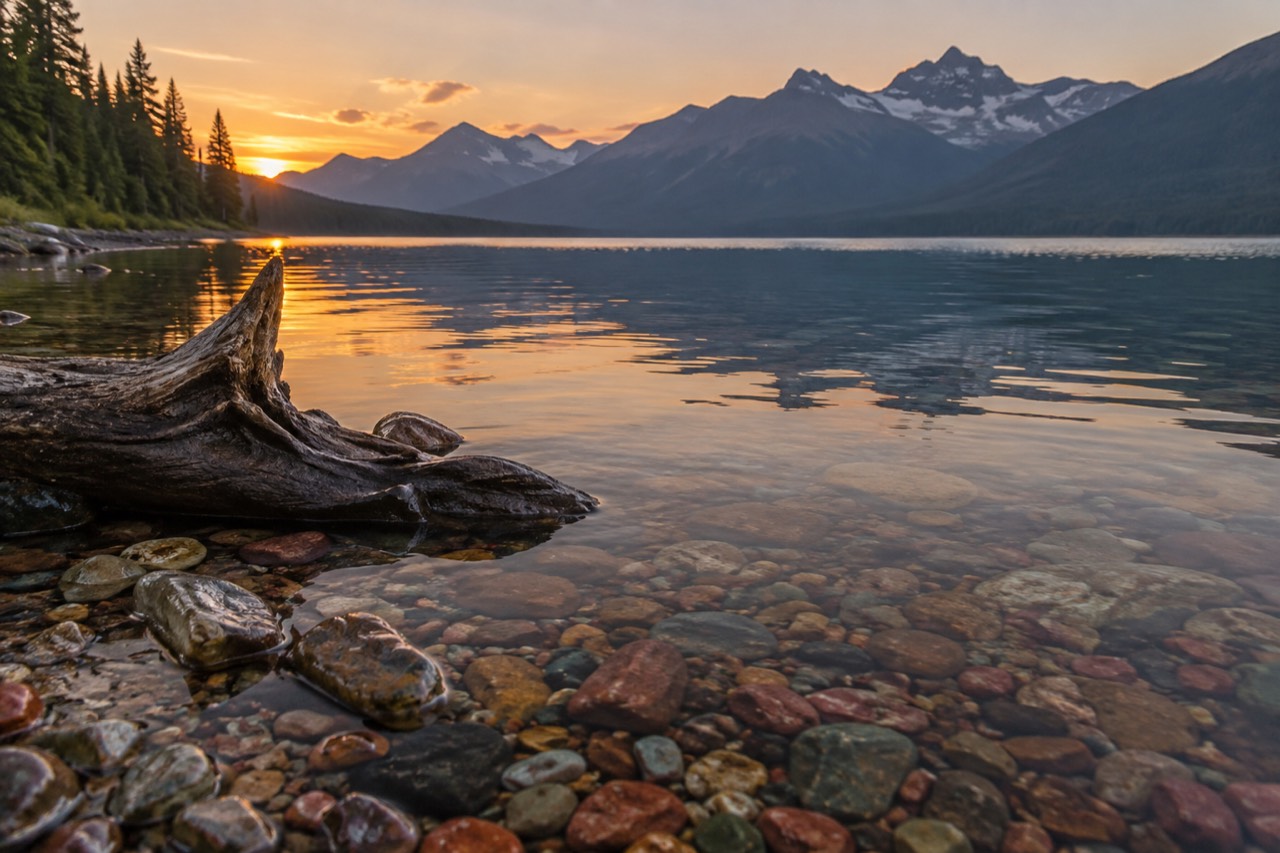
Glacier National Park spans over a million acres, and the Continental Divide cuts through its middle. The towns, roads, and trailheads on the east side are fundamentally different from those on the west. A decision that looks small on a map, which side of the park to book your lodging, determines how many hours you spend driving each morning, which hikes you can reach before the parking lots fill, and whether you see the sunrise or the sunset over the peaks.
Many visitors who book through Glacier National Park Tour Packages ask this question early in their planning, and the answer is never one-size-fits-all. The west side puts you near the park's busiest entrance, the largest lake, and the most services. The east side delivers the rugged mountain front, quicker access to the Many Glacier valley, and a quieter experience. Both have real trade-offs, and the right choice depends on how many days you have, what you want to do, and whether you are willing to move mid-trip.
What Are The Main Differences Between The East And West Sides?
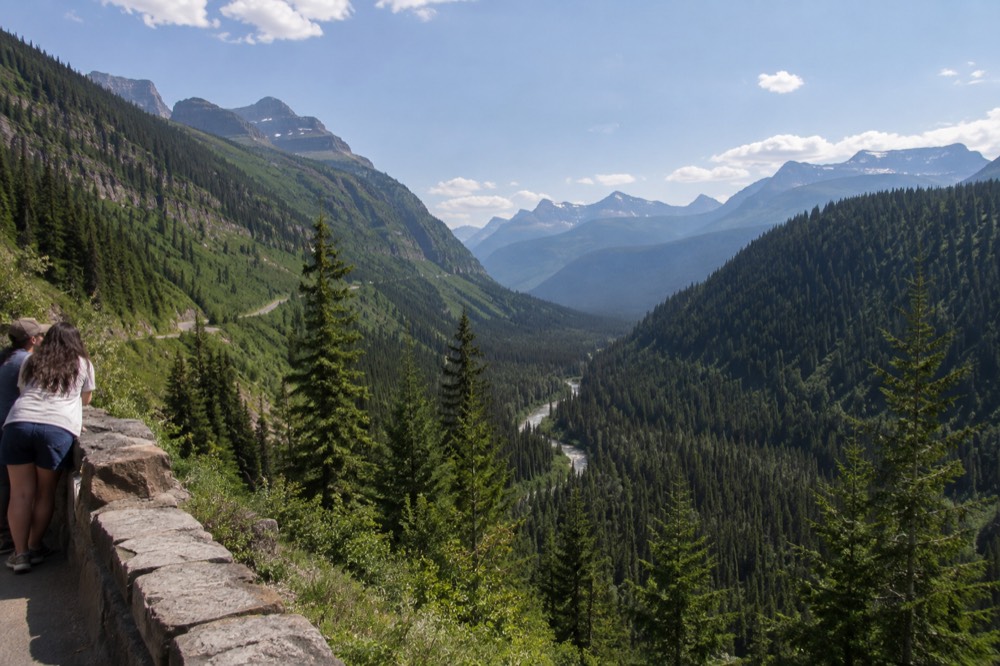
The west side is wetter, greener, and busier, with dense cedar-hemlock forests, large Lake McDonald, and towns like Kalispell, Whitefish, and Columbia Falls offering abundant lodging and dining. The east side is drier, windier, and more open, with grasslands rolling up to the Rocky Mountain Front, historic Many Glacier and Two Medicine valleys, far fewer services, and closer access to Logan Pass and the park's most dramatic alpine scenery.
The divide is not just geographic. West of the Continental Divide, the climate is Pacific-influenced: annual precipitation runs around 30 inches in the lowlands, and the forests are thick with western red cedar and western hemlock. East of the Divide, the rain shadow drops precipitation to roughly 23 inches a year, and the landscape opens into prairie and aspen groves. The wind is a constant presence on the east side, with downslope gusts often reaching 50 mph or more and sometimes hitting 100 mph. In winter, chinook winds can lift the temperature by over 30 degrees Fahrenheit in minutes.
The visitor infrastructure follows the same split. The west side has the park's largest gateway town, Kalispell, plus the resort town of Whitefish and the smaller Columbia Falls and West Glacier. The east side's main base is St. Mary, a tiny community with a few motels, a grocery store, and a gas station, plus the historic Glacier Park Lodge in East Glacier Park and the small town of Browning on the Blackfeet Reservation. The differences are stark enough that many first-time visitors book a west-side hotel, then realize on day two that they are spending three hours a day in the car.
How Do Drive Times Compare From East And West Gateway Towns?
From west gateway towns, the Apgar entrance is under 40 minutes away, but reaching east-side highlights like Many Glacier often takes two hours or more. East-side towns provide quick access to Many Glacier and Two Medicine, yet Lake McDonald requires crossing the 50-mile Going-to-the-Sun Road (roughly two hours without stops); when the road is closed mid-October to late June, a 90-mile detour via US 2 and MT 89 adds considerable time.
The table below shows one-way drive times from two key bases, West Glacier on the west side and St. Mary on the east side, to major destinations inside the park. All times assume normal summer conditions without construction delays and the full Sun Road open.
| Starting Point | To St. Mary Entrance | To Many Glacier | To Two Medicine | To East Glacier Park |
|---|---|---|---|---|
| West Glacier, MT (west side) | 50 mi / 2 hr (Sun Road) or 90 mi / 2 hr (US 2) | 70 mi / 2.5 hr | 56 mi / 1.5 hr | 56 mi / 1 hr |
| St. Mary, MT (east side) | 0 mi / 0 min | 20 mi / 40 min | 34 mi / 1 hr | 32 mi / 45 min |
Distances and times are drawn from the National Park Service directions page. The Sun Road segment between West Glacier and St. Mary is 50 miles and typically takes two hours without stops, though in July and August traffic and road construction can add 30 minutes or more. When the alpine section is closed, the detour via US 2 and MT 89 is 90 miles and also takes roughly two hours, but it bypasses all the high-elevation scenery. Glacier Park International Airport is 24 miles from West Glacier, a drive of 35 to 40 minutes, making the west side the easier arrival point for fly-in visitors.
Which Side Is Better For Access To Going-To-The-Sun Road?
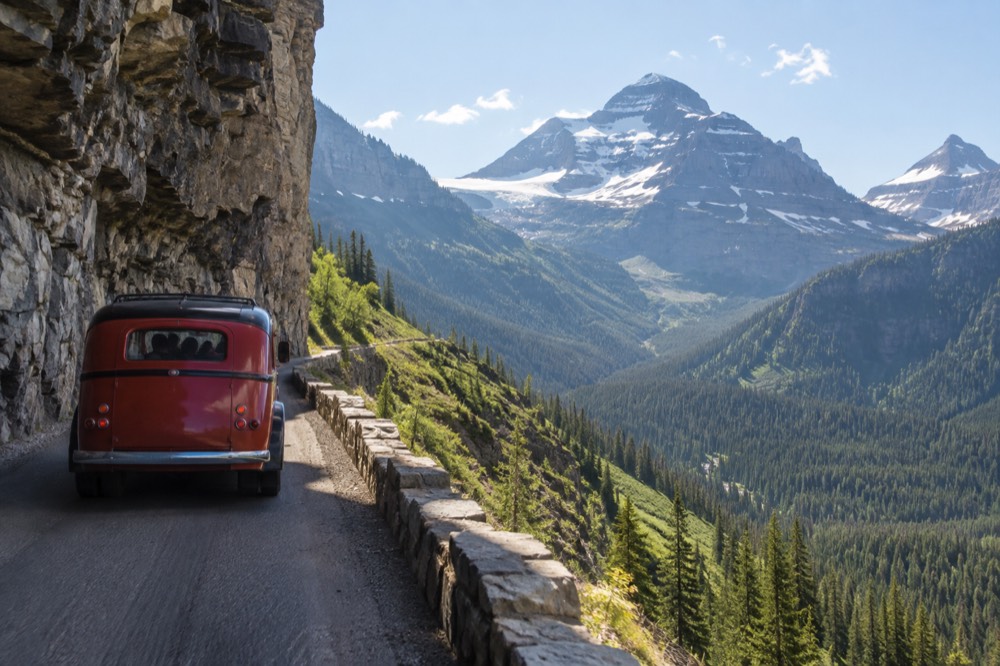
West is the better base for driving the full Going-to-the-Sun Road from Apgar to St. Mary and back in one day, because you start at the west entrance and avoid a long approach. East is better for reaching Logan Pass and the Highline or Hidden Lake trails quickly, with less traffic from St. Mary, plus nearer access to Many Glacier and Two Medicine.
The Sun Road is the park's only through-route, and it is the single biggest variable in the east-west decision. From West Glacier, the drive to Logan Pass is about 32 miles and takes roughly 1.25 hours in light traffic. From St. Mary, it is only 18 miles and about 40 minutes. That 45-minute difference each way adds up to an hour and a half of extra driving on a day when you are already hiking for four or five hours. In July and August, the west-side approach also passes through the busy Apgar and Lake McDonald areas, where traffic can slow to a crawl by mid-morning.
The 2026 season introduced a ticketed shuttle system to Logan Pass, with express routes from Apgar Visitor Center on the west and St. Mary Visitor Center on the east. Shuttle tickets cost $1 per person via Recreation.gov and were released 60 days ahead and the evening before. The shuttle eliminated the parking scramble at Logan Pass, where a three-hour time limit was enforced from July 1 through September 7. If you plan to use the shuttle, the east side's St. Mary stop is closer to the pass, but both sides have reasonable access. The shuttle did not serve Avalanche Lake or the Trail of the Cedars in 2026, so those west-side highlights still required a personal vehicle or a commercial tour.
For visitors who want to experience the full Sun Road without driving it themselves, a guided tour is the park's own recommended solution for anyone with a vehicle over 21 feet or who simply prefers to watch the scenery. The road's vehicle size limit, 21 feet long and 8 feet wide including mirrors and bumpers, rules out most RVs and large trucks on the alpine section between Avalanche Creek and Rising Sun. Several self-guided audio tours cover the entire route and let you drive at your own pace while learning the history and geology.
The three tours above give you a narrated drive whether you base on the west side, the east side, or both. The Sun Road audio tour covers the full 50 miles, the Many Glacier audio tour handles that valley's highlights, and the west-side driving tour explores the Lake McDonald and North Fork areas without touching the alpine section.
Which Side Offers More Lodging And Dining Options?
The west side clearly offers more lodging and dining options, with chain hotels in Kalispell, boutique inns in Whitefish, and budget motels in Columbia Falls far outnumbering the east side's handful of St. Mary motels, the historic Glacier Park Lodge in East Glacier, and a few cabins and campgrounds.
Whitefish, the west side's most popular base, had an average hotel price of $378 per night in 2026, rising to roughly $705 in high season. Kalispell offers more moderate chains and is about 33 miles from West Glacier. Columbia Falls, just 17 miles from the entrance, has a mix of motels and vacation rentals. West Glacier itself has a few cabins and the historic Belton Chalet, but inventory is small and books months ahead. The west side also has the park's largest campgrounds, Apgar and Fish Creek, both reservable via Recreation.gov, plus numerous private campgrounds and RV parks.
On the east side, St. Mary has a small supermarket, a gas station, and a handful of motels that fill quickly in summer. East Glacier Park is home to the grand Glacier Park Lodge, built in 1913 by the Great Northern Railway, and a few smaller inns. Babb, near the Many Glacier entrance, has a couple of basic motels and a café. The east side's in-park lodging includes Many Glacier Hotel, with just over 200 rooms, and the Swiftcurrent Motor Inn. Both are operated by the park concessioner and book up 13 months in advance, with the reservation window opening on the first of the prior month at midnight Mountain Time. There is no large grocery store east of Browning, so self-catering visitors should stock up in Kalispell or Whitefish before crossing the Divide.
Dining follows the same pattern. West-side towns have dozens of restaurants, from pizza and burgers to fine dining. East-side options are sparse: the Park Café in St. Mary, the dining room at Glacier Park Lodge, and a few seasonal spots in Babb and East Glacier. Many east-side visitors end up cooking in their lodging or driving back to Browning for supplies.
Is It Possible To Stay On One Side And Tour Both Sides?
Yes, you can base yourself on one side and tour both, but expect to drive the full 50-mile Going-to-the-Sun Road each day, a two-hour trip each way that adds up to four hours of driving for hikes like Many Glacier. For efficiency, split your stay with a few nights on each side.
The Sun Road is the only direct connection between the west and east sides inside the park. When it is open, typically from late June to mid-October, you can drive from West Glacier to St. Mary in about two hours. That makes a long day trip feasible if you start early. For example, leaving Whitefish at 6 a.m. puts you at the Many Glacier trailhead by 8:30 a.m., which is early enough to find parking for the Grinnell Glacier or Iceberg Lake hikes. But by the time you finish a six-hour hike and drive back, you are looking at a 12-hour day.
When the Sun Road is closed, the detour via US 2 and MT 89 is 90 miles and also takes about two hours, but it misses all the alpine scenery. In spring and fall, when the road is closed but the valleys are open, staying on one side means you simply cannot reach the other side's trailheads without a very long drive. Many visitors in May and October base on the west side and accept that Many Glacier and Two Medicine are off the table.
A practical compromise is to book two nights on each side and use the travel day between them as a sightseeing day. Drive the Sun Road west to east, stop at the overlooks, hike the Hidden Lake Overlook at Logan Pass, and arrive at your east-side lodging by late afternoon. The next day you can explore Many Glacier, and the following morning you can visit Two Medicine before heading out. This split-stay approach is common and is often recommended in multi-day Glacier itineraries.
For travelers who prefer a single base, a self-guided audio tour that covers both sides can bridge the gap. The Going-to-the-Sun Road audio tour, for example, narrates the entire route from West Glacier to St. Mary and back, so you learn the geology and history whether you are driving out and back in one day or over two.
How Does The Scenery Differ Between The East And West Sides?
The west side is dominated by Lake McDonald, the largest lake in the park, and dense temperate rainforest with cedars, hemlocks, and moss-covered trails. The east side opens into the dramatic Rocky Mountain Front, where the prairie meets the peaks abruptly, and the Many Glacier valley delivers some of the park's most photographed vistas. The west side feels enclosed and intimate; the east side feels vast and exposed.
Lake McDonald, at 9.4 miles long and 464 feet deep, is the centerpiece of the west side. The historic Lake McDonald Lodge, built in 1913, sits on its shore, and the surrounding trails include the accessible 0.7-mile Trail of the Cedars boardwalk and the hike to Avalanche Lake. The west side's forests are thick with old-growth western red cedar and western hemlock, and the understory is lush with ferns and moss. The light is often soft and filtered, and the lake's surface reflects the surrounding peaks in the calm of early morning.
The east side, by contrast, is a land of sweeping vistas. The St. Mary Valley runs north from the small town of St. Mary, with the mountains of the Lewis Range rising abruptly from the grasslands. Wild Goose Island, a tiny dot in St. Mary Lake, is one of the most photographed spots in the park. The Many Glacier valley, accessed via Babb, is a glacial cirque with a string of lakes, Swiftcurrent, Josephine, Grinnell, and the historic Many Glacier Hotel, a Swiss-style lodge built in 1915. The Two Medicine area, south of East Glacier Park, is a quieter valley with Running Eagle Falls, a 0.3-mile accessible trail, and boat tours on Two Medicine Lake.
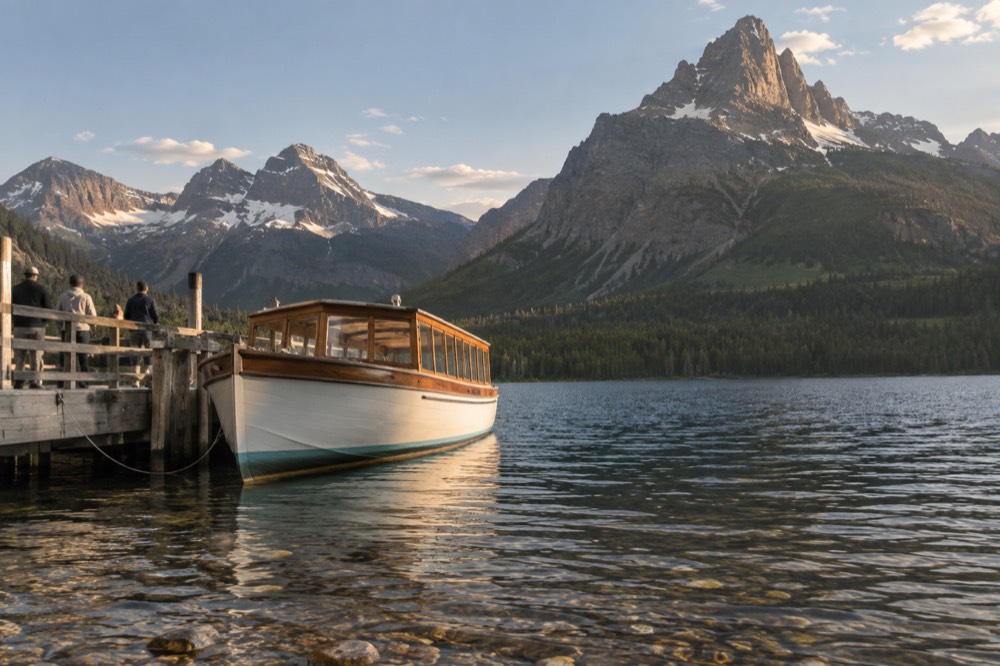
The west side also offers the park's best rafting. The Middle Fork of the Flathead River forms the park's southwestern boundary, and half-day whitewater trips run through John F. Stevens Canyon with rapids like Bonecrusher and Jaws. Scenic floats on the North Fork are calmer and run through the remote North Fork Valley near Polebridge. The east side has no comparable river access, though it does have the park's best boat tours on Swiftcurrent Lake, Lake Josephine, and Two Medicine Lake, all operated by the historic Glacier Park Boat Company.
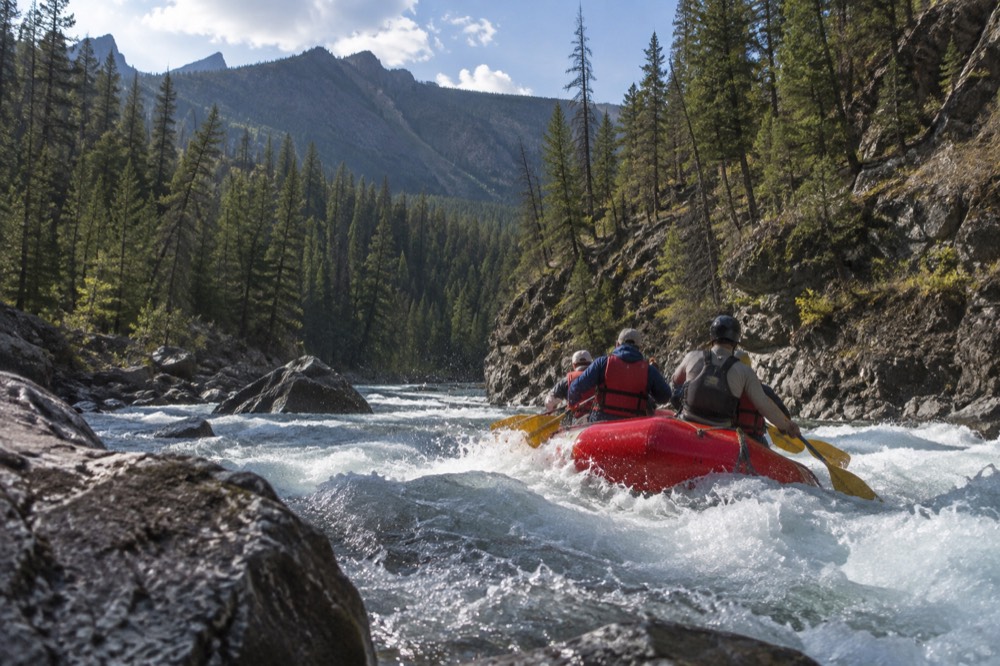
If your trip includes a whitewater rafting day, the west side is the clear choice. Half-day trips on the Middle Fork start from $55 per person and run from May through September. The put-in is near West Glacier, so a west-side base eliminates a long pre-dawn drive.
Which Side Is Better For A Short Trip Vs. A Longer Stay?
For a trip of one or two nights, the west side is almost always the better choice. It is closer to the airport, has more services, and gives you access to the Lake McDonald area and the lower Sun Road without a long drive. For a trip of four or more nights, splitting your stay between the two sides or basing on the east side for its quieter atmosphere and access to Many Glacier and Two Medicine becomes more rewarding.
A short trip, typically a long weekend, is constrained by the time it takes to get to the park. Glacier Park International Airport near Kalispell is about 24 miles from West Glacier, a 35-to-40-minute drive. If you land at noon, you can be at the Apgar Visitor Center by 1 p.m. and hiking the Trail of the Cedars or driving the lower Sun Road that afternoon. The next day you can drive to Logan Pass, hike the Hidden Lake Overlook, and still be back in Whitefish for dinner. A short trip based on the east side, by contrast, requires either flying into Kalispell and driving two hours to St. Mary, or flying into Great Falls and driving two and a half hours. That eats into an already tight schedule.
A longer trip, five nights or more, opens up the split-stay strategy. Two nights on the west side let you explore Lake McDonald, the Avalanche area, and the lower Sun Road, plus a rafting trip or a boat tour on Lake McDonald. Two nights on the east side give you a full day in Many Glacier and a morning in Two Medicine. The travel day between them becomes a scenic drive over Logan Pass. This is the pattern that most efficiently covers the park's highlights, and it is the reason many Glacier National Park itineraries recommend moving mid-trip.
If you must stay on one side for a longer trip, the west side has more variety of activities and dining, but you will spend more time driving to the east side's trailheads. The east side offers a quieter, more immersive experience, but you will have fewer restaurant choices and may need to stock up on supplies before arriving. Neither side is a mistake; they are just different trips.
Common Questions About Staying On The East Or West Side Of Glacier National Park
Is It Better To Stay On The East Side Or West Side Of Glacier National Park?
It depends on your priorities. The west side has more lodging, dining, and services, plus quick access to Lake McDonald and the Apgar entrance. The east side is quieter, closer to Many Glacier and Two Medicine, and offers quicker access to Logan Pass from St. Mary. Many visitors split their stay to experience both.
Which Side Is Closer To Glacier Park International Airport?
The west side is much closer. Glacier Park International Airport near Kalispell is about 24 miles from the West Glacier entrance, a 35-to-40-minute drive. The east side's St. Mary entrance is roughly 120 miles from the airport, a two-and-a-half-hour drive.
Can I Visit Both Sides In One Day?
Yes, when Going-to-the-Sun Road is open, you can drive from West Glacier to St. Mary in about two hours. A day trip from one side to the other's trailheads is possible but involves four hours of driving on top of your hike. A split stay is more efficient for exploring both sides.
Which Side Has Better Hiking?
Both sides have outstanding hikes. The west side offers the Trail of the Cedars, Avalanche Lake, and the lower Highline Trail. The east side has the Grinnell Glacier, Iceberg Lake, and Ptarmigan Tunnel trails in Many Glacier, plus the Two Medicine area. The east side's hikes are generally more alpine and less forested.
Is It Cheaper To Stay On The East Side?
East-side lodging can be less expensive than Whitefish or Kalispell, but options are limited and book up early. The east side has fewer budget motels, and the in-park lodges like Many Glacier Hotel are historic and priced accordingly. Overall, the west side has a wider range of price points.
Do I Need A Vehicle Reservation To Cross Between Sides?
No. In 2026, no vehicle reservations were required anywhere in Glacier National Park. You can drive between the west and east sides via Going-to-the-Sun Road without a timed-entry permit. A ticketed shuttle to Logan Pass was available but not required for private vehicles.