Best Time To Visit Glacier National Park
The honest answer to when to visit Glacier depends less on scenery, which is spectacular in every month, and more on what is actually running: the alpine road, the boats, the Red Buses and the guided trips each have their own season.
Short answer
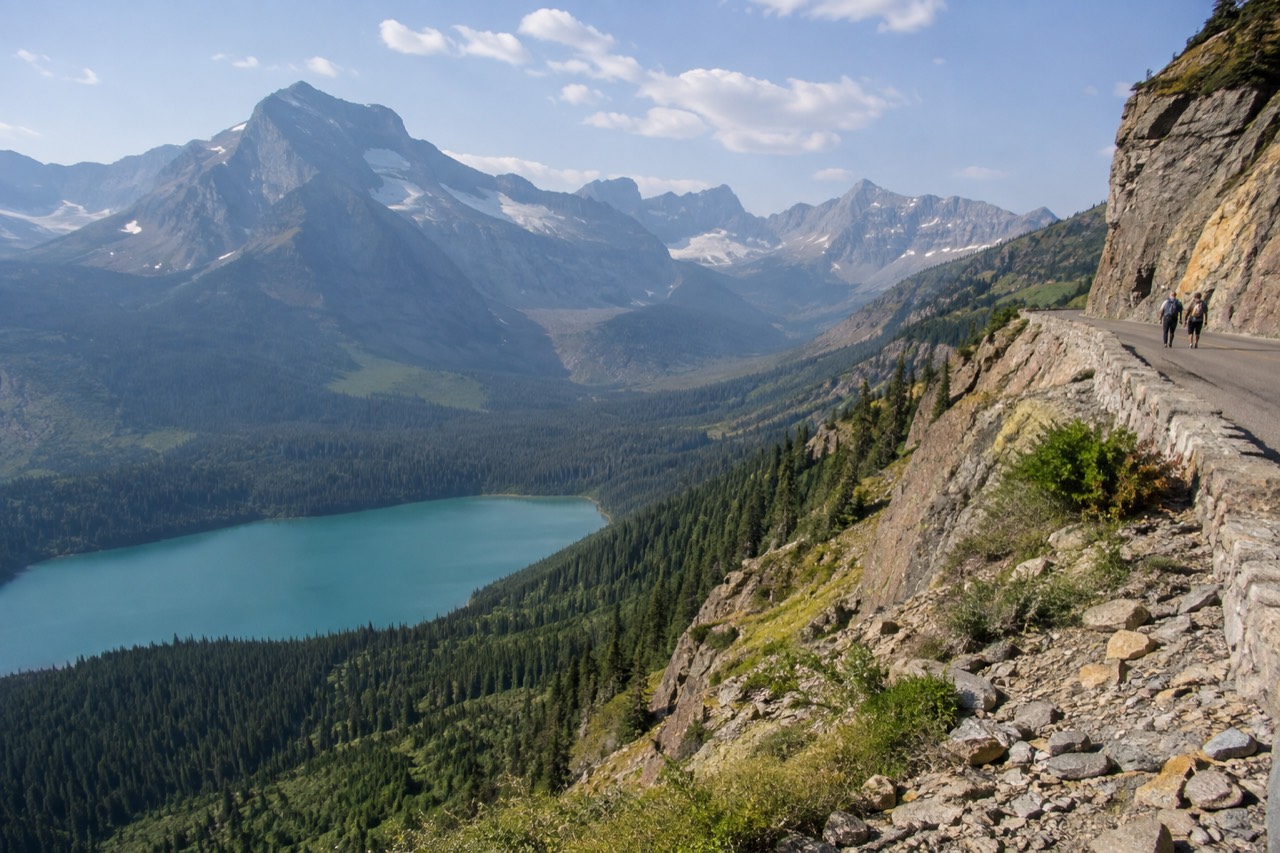
Late June through mid September is the reliable window: Going-to-the-Sun Road fully opened on June 22 in 2026 and typically closes by the third Monday in October. July and August draw 47.3 percent of the year's visitors between them, so late June and September offer the same access with far fewer people, while winter runs on snowshoe trips and the west-side road.
Best Time To Visit Glacier National Park
Glacier National Park recorded 3,136,557 recreation visits in 2025, and 83.3 percent of them arrived between June and September. That single statistic shapes every answer to the question of when to go: the park's alpine heart, Going-to-the-Sun Road, is only fully open for roughly a third of the year, and almost everything a visitor books, from boat cruises to guided hikes, runs on that same clock. The best time to visit is therefore not one month. It is a trade between access, crowds and weather, and the trade shifts week by week.
When Is The Best Time To Visit Glacier National Park?
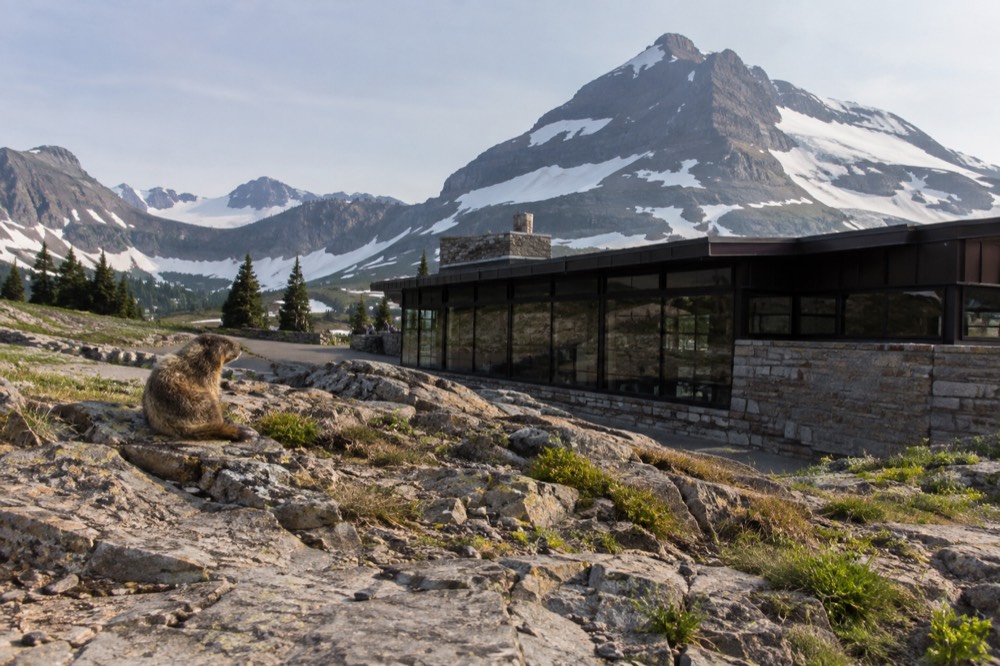
The best time to visit Glacier National Park is late June through mid September, when the full 50 miles of Going-to-the-Sun Road are open and every concessioner is running. Within that window, late June and the second half of September deliver the same access as July and August with a fraction of the crowds. Winter, November through April, is a different park entirely: quiet, snow-covered, and served mainly by snowshoe trips and the west-side road.
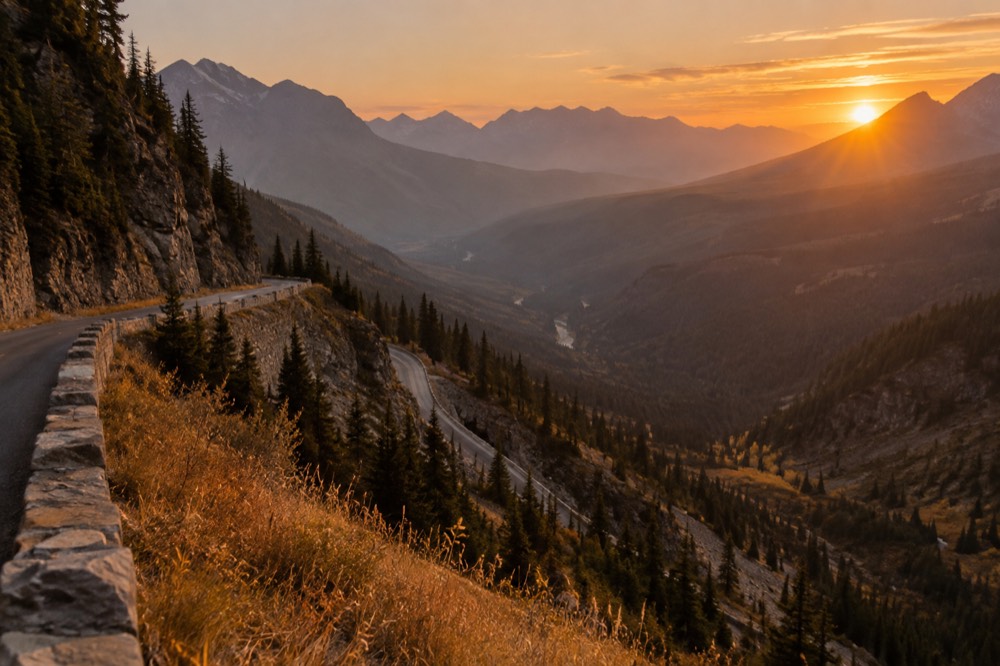
The road is the gate to everything. It fully opened on June 22 in 2026, and the National Park Service notes the alpine section typically closes by the third Monday in October, weather permitting, with earlier closures possible. In 2026 a light September snowfall closed the stretch between Avalanche Creek and Jackson Glacier Overlook for a day, a reminder that the shoulder season carries risk in both directions. Plow crews start on April 1 and spend months clearing a road that crosses the Continental Divide at 6,646 feet.
What surprises many first-time visitors is how much of the park is not about the road at all. The Glacier National Park Tour Packages roster runs year-round on paper, but the practical season for rafting, guided hikes and lake activities is set by snowmelt, water temperature and wildlife closures, not by a calendar. A month-by-month look at what is actually running answers the question better than any single "best month" claim.
What Each Month Actually Offers At Glacier
Every month at Glacier has something running, but the lineup changes sharply. January through April is snowshoe and ski season on the west side. May brings the lower road and the first rafting trips. June to September is the full park: alpine road, boats, buses, guided hikes. October and November wind down to fall color, empty trails and the road's seasonal closure. No month is bookable-proof, but each has a clear identity.
The table below grades each month by what a visitor can actually reserve, which is the honest way to plan. Scenery exists in every month; guided trips do not.
| Month | Going-to-the-Sun Road | Guided trips running | Crowd level |
|---|---|---|---|
| January | Alpine section closed | Snowshoe treks, winter driving tour | Very low |
| February | Alpine section closed | Snowshoe treks, winter driving tour | Very low |
| March | Alpine section closed | Snowshoe treks, road plowing begins April 1 | Very low |
| April | Alpine section closed | Snowshoe treks, road plowing underway | Very low |
| May | Lower sections only | Rafting season opens, Huckleberry Mountain Red Bus tour mid-May | Low |
| June | Full opening possible, June 22 in 2026 | Most boats and bus routes start, guided hikes begin | Moderate |
| July | Fully open | Everything runs, Logan Pass shuttle in service | Very high |
| August | Fully open | Everything runs | Very high |
| September | Fully open, temporary closures possible | Most trips run through mid-month, fall color late month | Moderate to high |
| October | Alpine section closes by the third Monday | Western Alpine Red Bus runs to October 2, rafting to mid-October | Low |
| November | Alpine section closed | Limited trips, winter rates begin | Very low |
| December | Alpine section closed | Snowshoe season resumes | Very low |
The pattern worth internalizing: access ramps up through June, peaks hard in July and August, and unwinds through September. July 2026 alone recorded 896,386 recreation visits, a 17.17 percent jump over July 2025 and the fourth-busiest July on record. Anyone booking for July should reserve guided trips well ahead, since the same demand that fills trailheads fills rafts and tour vans.
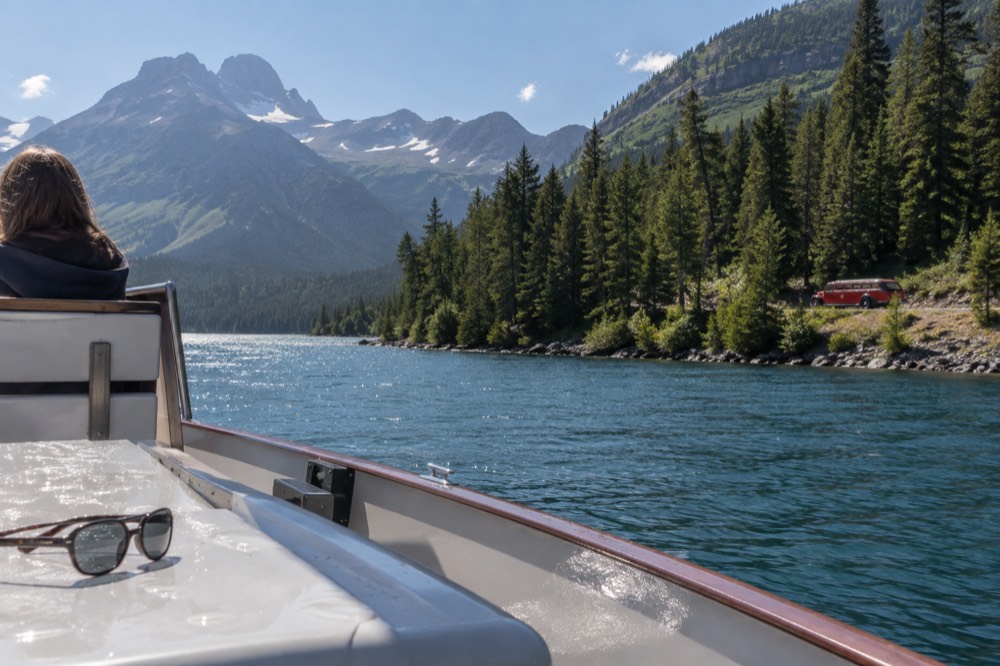
For travelers who want the classic experience, the guided trio below spans the seasons: a nature walk for the green months, a snowshoe trek for winter, and a half-day whitewater trip for peak summer. Each is bookable online with free cancellation.
Is July Or August Better For A First Visit?
July and August are the safest months for a first visit because everything is running, but they are not interchangeable. July is busier and slightly warmer, averaging an 80.2 degree high at West Glacier, while August is marginally cooler and drier at 1.17 inches of precipitation. Together they carry 47.3 percent of the year's visitation, so the difference between them is smaller than the difference between either and September.
The weather numbers come from NOAA's 1991-2020 normals for the West Glacier station, and they matter because Logan Pass runs 10 to 15 degrees cooler than the valley. A pleasant 80-degree afternoon at Lake McDonald can mean a windy 65-degree overlook at the pass, and snow can fall at higher elevations in any month. Packing layers is not advice padding here, it is the single most reliable trip-planning fact about the park.
Crowds are the real cost of peak season. The park piloted a three-hour parking limit at Logan Pass from July 1 through September 7 in 2026, enforced around the clock, precisely because the pass lot could not absorb July demand. Visitors park, collect a free timestamped permit from a kiosk, and move on. It worked well enough that park officials credited the limits with helping manage a record July, but it also means a first-time visitor cannot linger at the pass indefinitely in summer.
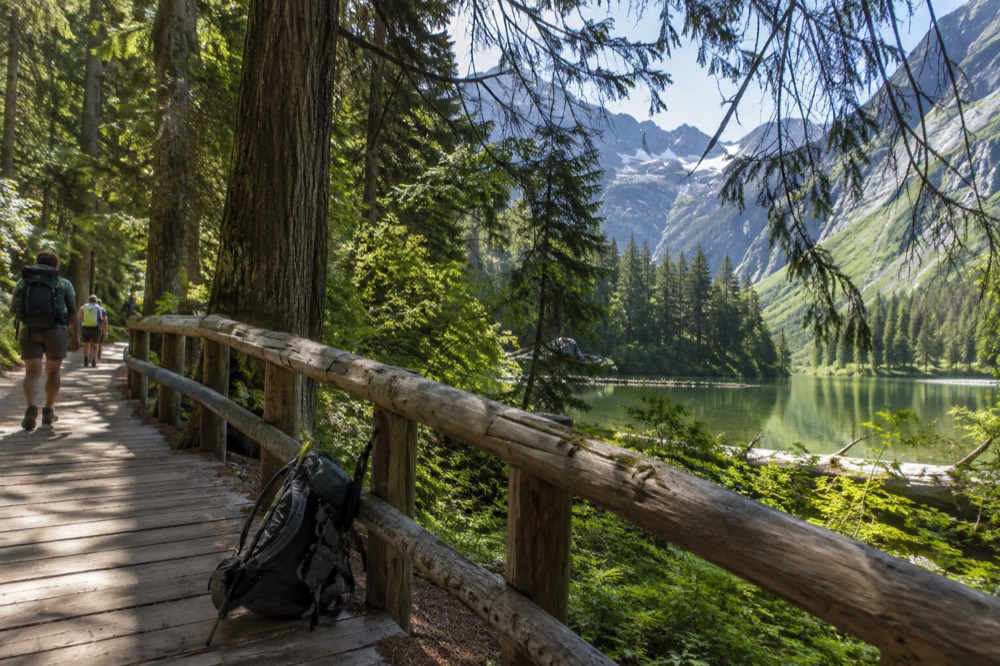
A guided trip solves part of this problem structurally. A tour van handles the driving and the parking, and the National Park Service itself recommends guided tours for visitors whose vehicles exceed the 21-foot length or 8-foot width limits that apply on the alpine section. For a deeper comparison of that trade-off, see the guide on guided tour versus driving yourself.
Why Late June Beats Mid July For Most Travelers
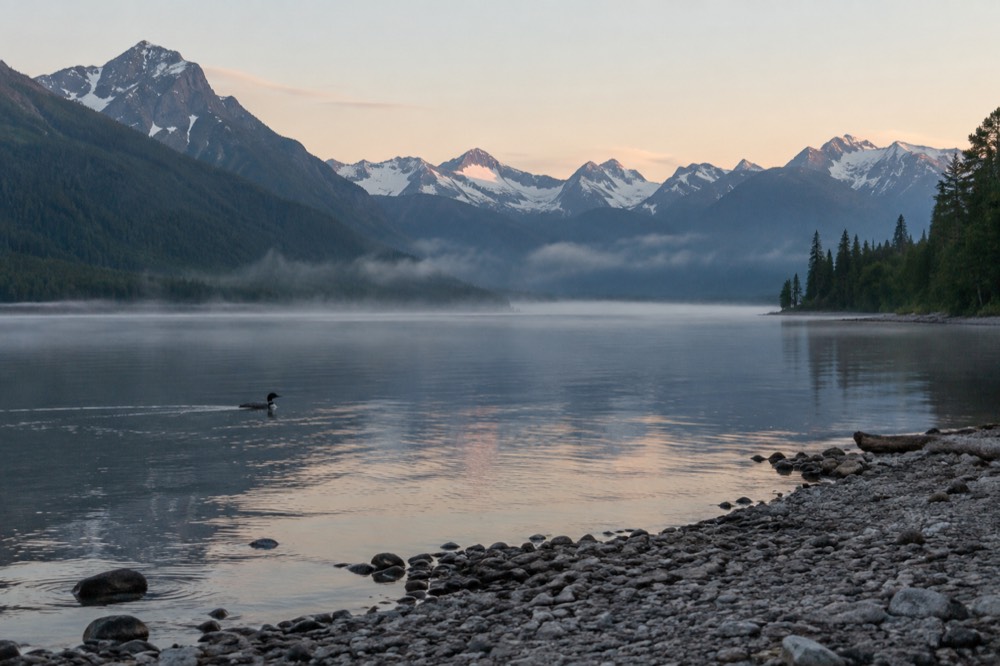
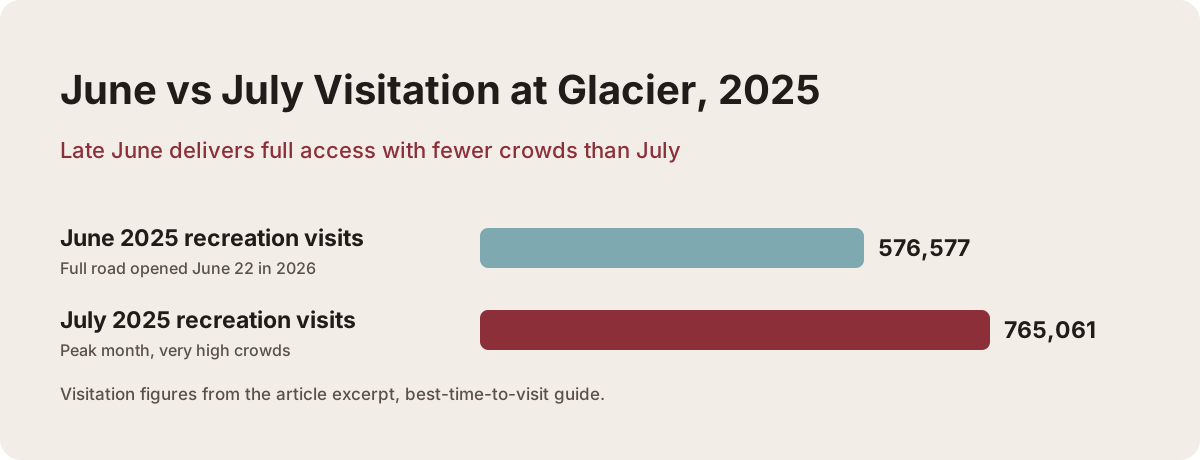
Late June delivers nearly everything mid July does, at meaningfully lower crowd levels. In 2026 the full road opened June 22, the Many Glacier boats started June 10, and most Red Bus routes began June 20, so the last week of June runs the complete park. Visitation in June 2025 was 576,577 against July's 765,061, a gap of nearly 190,000 visits, and that gap shows up directly at trailheads and parking lots.
The catch is risk. The full opening date has swung between June 16 and July 13 over the years in the official record, and a late snow year can push everything back. Travelers booking flights months ahead for late June are betting on the plows. The 2026 season was kind: a relatively mild winter meant crews reached the Big Drift, the road's final snow obstacle, in mid-May, and the road opened on the early side.
What late June loses is water warmth and full trail snowmelt. High-elevation trails can still hold patches, and lake activities feel bracing. What it gains is elbow room at Logan Pass, easier campground availability and a shot at wildflowers, which peak as the snow retreats rather than on a fixed date. For travelers whose priority is the road and the viewpoints rather than swimming, it is the best-value week of the summer.
Why September Is The Connoisseur's Month
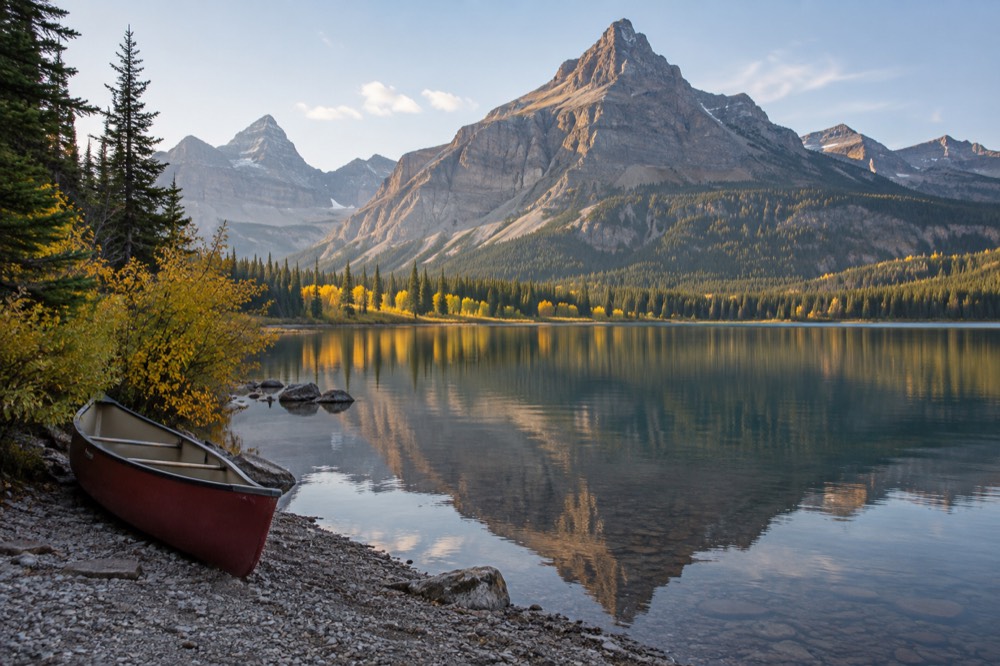
September splits the difference better than any other month: the road is fully open, boats run into the third week, and crowds fall by roughly a quarter from August levels, with 552,479 visits in September 2025 against 718,766 in August. The trade is weather risk: snow closed the alpine road for a day on September 14, 2026, and the Highline and Hidden Lake trails shut with it. September rewards flexibility and punishes rigid itineraries.
The first half of September still runs nearly the full summer program. The Many Glacier boats operate to September 19, the Crown of the Continent Red Bus tour to September 20, and guided hikes continue as long as trails are open. Wildlife is more active, bull elk bugle in the meadows, and the light turns low and gold. Fall foliage in 2026 was forecast to peak around September 27 for aspen and Rocky Mountain maple, with western larch turning around October 10.
The second half belongs to locals and the well-prepared. Services thin out fast, some lodging closes for the season, and a single storm can close the alpine section days or weeks before the typical third-Monday-in-October closing. The National Park Service advises checking road status before traveling, and the park supports a text alert service for current conditions. Travelers who can shift plans on short notice get September's best version: empty viewpoints, active wildlife and larch gold.
What Winter At Glacier Actually Looks Like
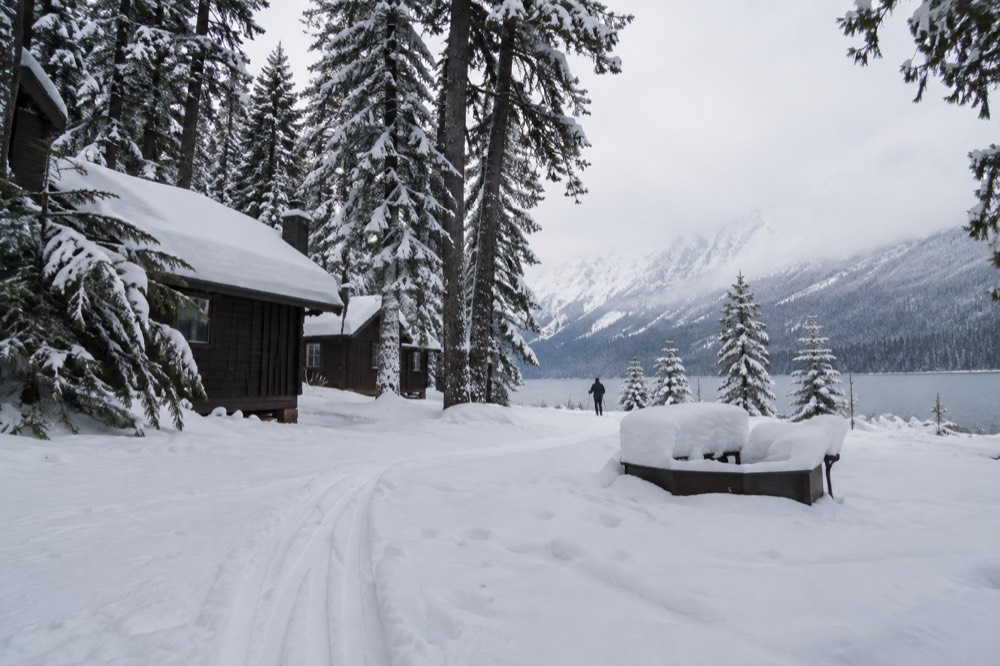
Winter, November through April, is Glacier's quietest and most specialized season, with monthly visitation between 15,202 and 48,576 in 2025. The alpine road is closed and most concessions are shut, but the park is open, entrance fees drop to the $25 winter vehicle rate, and a small set of guided trips keeps it accessible: snowshoe treks, a winter driving tour and off-season rafting on milder days.
It is a real option for travelers who want snow without crowds, provided they understand what they are choosing. The bookable winter roster is small but genuine. A guided snowshoe trek runs from $230 per person for 5 hours with hotel pickup included, rated 5 across 2 reviews, and a combo driving tour plus snowshoe option covers West Glacier and Apgar Village at the same price. The winter driving tour, 5 to 6 hours with lunch included, runs from $250 per person and carries a 5 rating across 34 reviews. These are the trips that make a January visit workable rather than merely possible.
Winter also changes the park's character in ways the numbers do not show. West Glacier averages 32 inches of snow in January alone, and the road's average snowpack settles around 16 feet at the alpine level. Cross-country skiing and snowshoeing on the closed road itself become the main activities, and the Apgar area stays reachable by vehicle all winter. The east side, exposed to chinook winds that can gust past 50 mph and lift temperatures 30 degrees in minutes, is a harsher proposition.
How Weather And Crowds Compare Month By Month
West Glacier's monthly normals tell the planning story: highs climb from 42.5 degrees in March to 80.2 in July, precipitation peaks in June at 3.80 inches, and snowfall is zero from June through September. Crowd levels follow a steeper curve, with July and August together drawing 1,483,827 visits in 2025, nearly half the annual total. Reading the two curves together shows why June and September are the value picks.
The table below pairs the NOAA 1991-2020 station normals for West Glacier with the park's 2025 monthly visitation, the most recent full-year breakdown available from the National Park Service visitor statistics program.
| Month | Avg high (F) | Avg low (F) | Precip (in) | 2025 visits |
|---|---|---|---|---|
| January | 29.9 | 19.3 | 3.54 | 17,984 |
| February | 33.6 | 19.4 | 2.17 | 15,202 |
| March | 42.5 | 25.1 | 2.58 | 25,909 |
| April | 52.6 | 31.4 | 2.15 | 48,576 |
| May | 64.1 | 39.0 | 2.62 | 238,766 |
| June | 70.4 | 45.1 | 3.80 | 576,577 |
| July | 80.2 | 49.6 | 1.39 | 765,061 |
| August | 79.4 | 47.9 | 1.17 | 718,766 |
| September | 68.0 | 40.8 | 1.96 | 552,479 |
| October | 51.7 | 32.9 | 3.05 | 127,537 |
| November | 37.0 | 26.4 | 3.23 | 27,967 |
| December | 29.2 | 19.9 | 3.21 | 21,733 |
Which Guided Trips Match Which Season
Matching a trip to a season matters more at Glacier than at most parks, because the bookable roster is seasonal by nature. Whitewater rafting peaks with late-summer water levels, guided nature walks run the green months, snowshoe treks own winter, and the audio driving apps work whenever the road segment you want is open. Booking the wrong trip for the wrong month is the most common planning error the season data reveals.
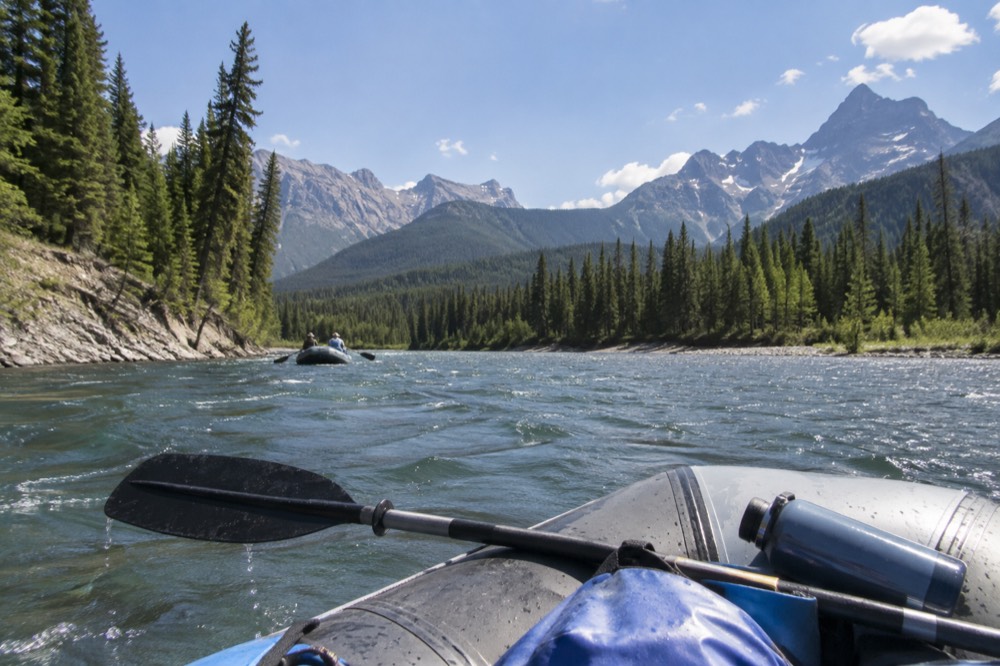
The half-day whitewater trip on the Middle Fork of the Flathead is the park's most-reviewed bookable experience, rated 4.9 across 1,959 reviews, from $55 per person for 2 hours 30 minutes. The river borders the park rather than running through it, which is why it operates from May through the season, independent of the alpine road's schedule. A full-day version with lunch included runs 5 to 6 hours from $164 per person, rated 4.9 across 401 reviews.
The guided nature walk, a 4-hour small-group trip from $70 per person rated 4.9 across 127 reviews, is the best all-around summer choice for travelers who want interpretation rather than adrenaline. It runs inside the park proper, so its season tracks the road and the trail-closure calendar. For a fuller comparison of the walking options, see guided hikes at Glacier National Park, and for the water options, rafting tours compared.
| Trip | Season | Price from | Rating |
|---|---|---|---|
| Half-Day Whitewater Rafting | May through mid-October | $55 per person | 4.9 across 1,959 reviews |
| Half-Day Scenic Float | May through mid-October | $55 per person | 4.9 across 851 reviews |
| Guided Nature Walk | June through September | $70 per person | 4.9 across 127 reviews |
| Guided Snowshoe Trek | December through April | $230 per person | 5 across 2 reviews |
| Winter Driving Tour | November through April | $250 per person | 5 across 34 reviews |
| West Side Driving Tour | June through September | $250 per person | 4.8 across 37 reviews |
One honest caveat about the table: the Red Bus tours, the historic boat cruises and the horseback rides that define the park's classic experience are sold direct by their concessioners and are not on the bookable roster above. The Red Bus guide covers those routes and their 2026 dates in full, from the $64 Huckleberry Mountain tour in May to the $138 Crown of the Continent run through September 20.
How To Pick Your Window Without Regretting It
Pick late June if you want the full park with moderate crowds and can accept some opening-date risk. Pick September's first half for the best crowd-to-access ratio of the year. Pick July or August only if your dates are fixed, and then book guided trips early. Pick winter only if snowshoeing or solitude is the actual goal, since the alpine park simply does not exist as a drivable destination from November through May.
Two planning rules do most of the work. First, anchor the trip to the road, not the month: check the park's current road status page before booking anything, because a single storm can close the alpine section even in September. The National Park Service maintains status updates and a text alert service for exactly this reason. Second, match the reservation calendar to your window: Red Bus bookings for 2026 opened in mid-March and the operator states tours tend to sell out daily, while rafting and walking trips can often be booked closer in.
Families and older travelers should weight the decision toward the first three weeks of September or late June, when parking is achievable and trails are dry. Anglers and photographers get their best light and water in September. Budget travelers should note the winter entrance rate, $25 per vehicle from November 1 to April 30 against $35 in summer, and the eight fee-free days the park offered U.S. citizens and residents in 2026.
If your window is flexible, the single best week on the calendar by the numbers is the last week of June: full access, pre-peak crowds, and the entire concessioner roster just switched on.
Common Questions About The Best Time To Visit Glacier National Park
When Is The Best Time To Visit Glacier National Park?
Late June through mid September, when the full 50 miles of Going-to-the-Sun Road are open and every concessioner is running. Within that window, late June and mid September offer the same access as July and August with far smaller crowds.
What Is The Busiest Month At Glacier National Park?
July. It drew 765,061 visits in 2025 and 896,386 in 2026, making it the park's peak month in both years. July and August together account for 47.3 percent of annual visitation.
When Does Going-To-The-Sun Road Open And Close?
The full road opened on June 22 in 2026. Historical openings have ranged from June 16 to July 13. The alpine section typically closes by the third Monday in October, though weather can close it earlier, as a September 14, 2026 snowfall briefly did.
Is September A Good Time To Visit Glacier?
Yes, especially the first half. The road is open, boats run to around September 19, crowds drop about a quarter from August, and fall color peaks near the end of the month. The trade-off is weather risk, since early snow can close the alpine section.
Can You Visit Glacier National Park In Winter?
Yes, but it is a different trip. The alpine road is closed from roughly late October until late June, and the bookable roster shrinks to snowshoe treks, a winter driving tour and off-season rafting. Entrance fees drop to the $25 winter vehicle rate.
Do You Need A Vehicle Reservation To Visit In 2026?
No. Vehicle reservations were not required anywhere in the park for the 2026 season, ending the timed-entry system that had gated Going-to-the-Sun Road, Many Glacier, Two Medicine and the North Fork in prior years.