Glacier National Park Itineraries: Day-By-Day Plans For One To Seven Days
A good Glacier itinerary is really a driving plan. These day-by-day schedules cost every day in hours behind the wheel and hours of daylight, and name the guided tour that can take over the leg you would rather not drive.
Short answer
Most first-time visitors need three days: one for Going-to-the-Sun Road, one for Many Glacier, and one for Two Medicine or a river trip. A five-day plan adds hiking depth, and seven days cover the North Fork and Waterton. Entrance is $35 per vehicle for seven days, and no vehicle reservations were required anywhere in 2026.
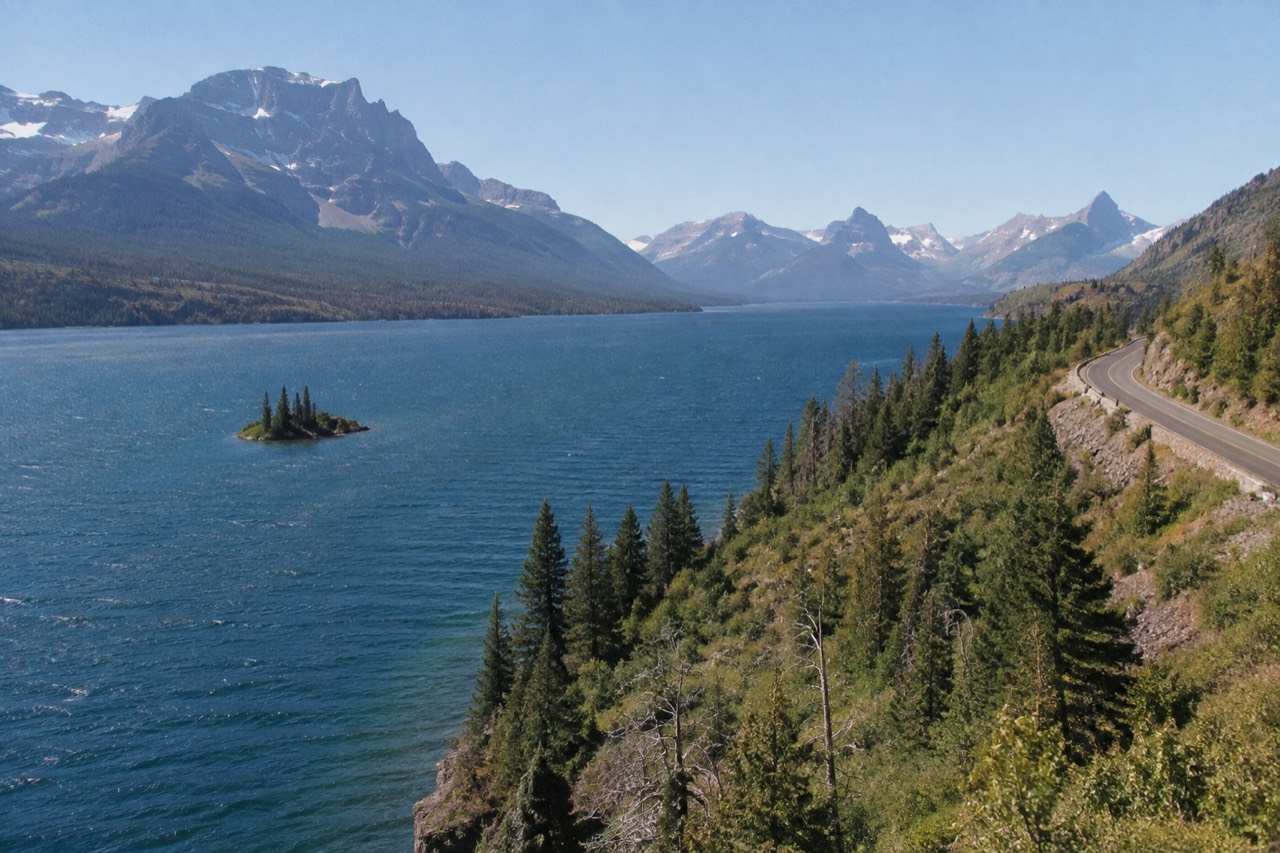
Glacier National Park is 1,013,126 acres of mountains arranged along a single 50-mile road, and that geometry is what makes itinerary planning here unusual. Going-to-the-Sun Road, the only paved route across the park's interior, opened for the 2026 season on June 22 and typically closes again around the third Monday in October. Everything else, Many Glacier, Two Medicine, the North Fork, sits at the end of a dead-end spur off that road or off the highway ring around the park's south side. A day plan that ignores drive times collapses by mid-morning.
The numbers behind that pressure are stark. The park recorded 3,136,557 recreation visits in 2025, and July and August alone carried 1,483,827 of them, 47.3 percent of the entire year. July 2026 came in even hotter, at 896,386 visits, a 17.17 percent jump over July 2025 and the fourth-busiest July on record. An itinerary is how you buy back time from that crowd: which valley on which day, at which hour, and which legs you hand to a shuttle or a guided tour instead of your own steering wheel.
How Many Days Do You Need For Glacier National Park?
Three days is the honest minimum for a first visit: one day for Going-to-the-Sun Road, one for Many Glacier, and one for Two Medicine or a Flathead River trip. Two days work only if you skip an entire region. Five days add real hiking depth, and seven days cover the North Fork and a Waterton Lakes crossing into Canada. Every plan below costs each day in driving hours so you can see the trade.
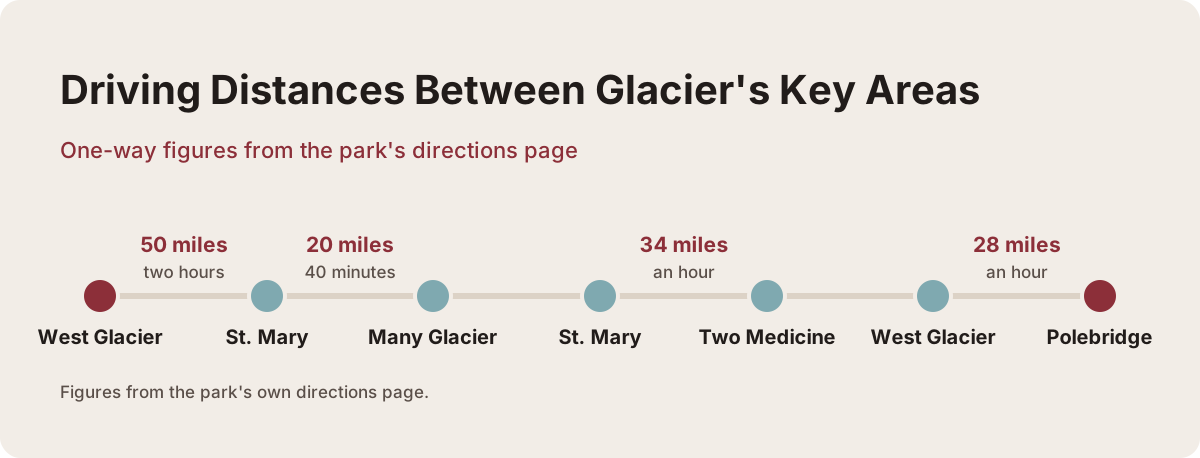
The reason three days is the floor is distance, not ambition. West Glacier to St. Mary is 50 miles and two hours via Going-to-the-Sun Road, or 90 miles and two hours around the outside on US Highway 2 and Highway 89. West Glacier to Many Glacier is 70 miles and about 2.5 hours. St. Mary to Two Medicine is another 34 miles, an hour more. Those are one-way figures, and the park's own directions page is the source for all of them. A single day that tries to touch Logan Pass, Many Glacier, and Two Medicine spends five to six hours in the car before anyone sets foot on a trail.
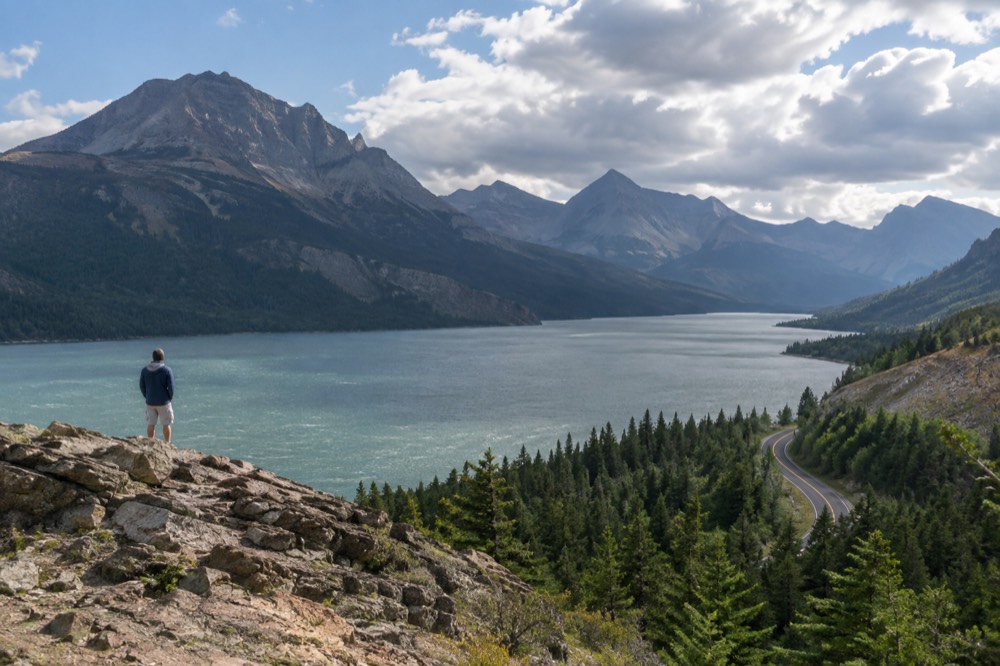
Daylight is the second budget. In mid-September the park's own daily report listed sunrise at Lake McDonald at 7:11 a.m. and sunset at 7:50 p.m., about 12 hours 38 minutes of usable light. In July the days run much longer, which is one reason the peak months absorb so many visitors: people fit more into them. But long days also mean everyone else is fitting more in. If you are deciding how long to stay, the deeper guide on how many days you need in Glacier breaks the question down by travel style, and the best time to visit Glacier guide covers the month-by-month trade-offs.
| Itinerary length | What it covers | Total driving | Best for |
|---|---|---|---|
| 1 day | Going-to-the-Sun Road out-and-back from West Glacier | 4-5 hours | Road-focused stopover |
| 2 days | Sun Road plus Many Glacier | 7-9 hours | Fast highlights trip |
| 3 days | Sun Road, Many Glacier, Two Medicine or a river trip | 10-12 hours | Standard first visit |
| 5 days | Adds day hikes and a North Fork or Flathead Lake day | 14-16 hours | Hikers and photographers |
| 7 days | Everything above plus Waterton Lakes, Canada | 18-20 hours | The full park, unhurried |
What Does The Ideal First-Time Itinerary Look Like?
Day one goes to Going-to-the-Sun Road from the west, day two to Many Glacier from St. Mary, and day three to Two Medicine or a half-day raft trip outside the west boundary. That order front-loads the single road that defines the park while your energy is highest, then works the spurs. Each day pairs one driving centerpiece with one short walk, because popular trailhead parking fills by mid-morning in July and August.
The first-day logic is simple: Going-to-the-Sun Road is the only through route, and its alpine section is both the park's signature and its most rule-bound stretch. Vehicles longer than 21 feet or wider than 8 feet including mirrors are prohibited between Avalanche Creek and Rising Sun, per the park's road information page, and the National Park Service itself tells oversized-vehicle visitors to either buy a Logan Pass shuttle ticket or "reserve a guided tour with an authorized commercial operator." If you are renting an RV or a large SUV, that sentence should shape your whole day one.
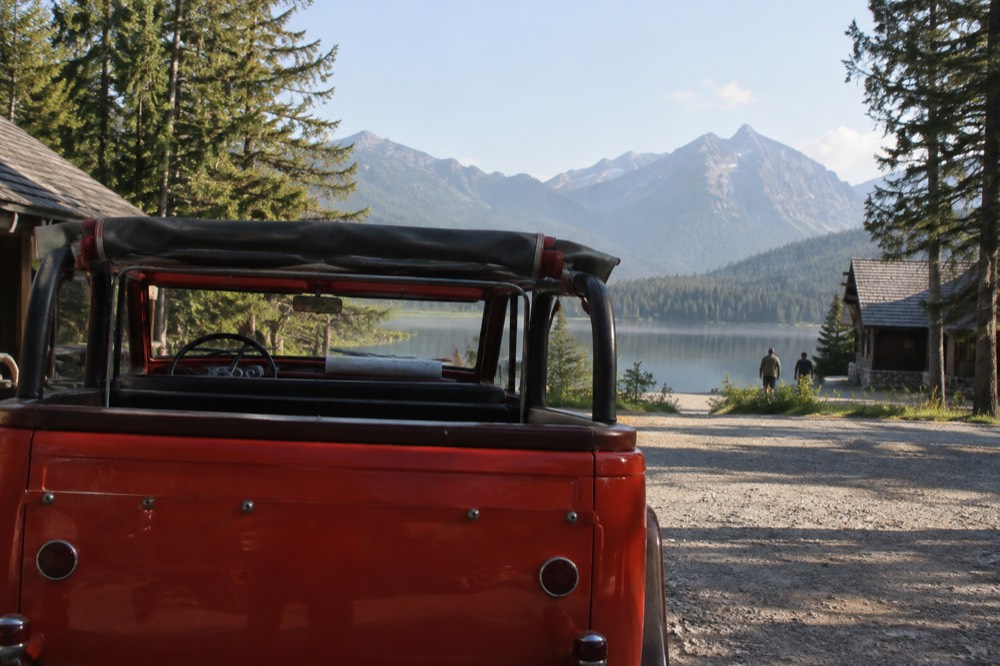
Day two, Many Glacier, is the park's wildlife and day-hike capital, reached by a 70-mile drive from West Glacier or a shorter 20-mile, 40-minute hop from St. Mary if you overnight on the east side. Day three belongs to Two Medicine, 34 miles and an hour from St. Mary, or to the Middle Fork of the Flathead River, which borders the park's western boundary and needs no entrance line at all. Sleeping in two different towns, west side first night, east side second, is what makes this plan work. The where to stay near Glacier guide maps the gateway towns against exactly these corridors.
Three Days On The West Side: The Baseline Itinerary
Day one covers Apgar, Lake McDonald, and Going-to-the-Sun Road to Logan Pass, about four hours of driving plus stops. Day two adds Avalanche Lake or Trail of the Cedars plus the North Fork to Polebridge, roughly three hours. Day three is a half-day raft trip on the Middle Fork with an afternoon at Lake McDonald, under an hour of driving. Total: about eight hours behind the wheel across three days.
This is the plan for travelers staying in Whitefish, Columbia Falls, or West Glacier the whole trip and never moving base. It trades the east side away entirely, which is a real loss, Many Glacier and Two Medicine hold some of the park's best walks, but it buys back every minute of the 90-mile around-the-park transfer. West Glacier to Polebridge is 28 miles and an hour, so the North Fork day is cheaper than it looks from the map.
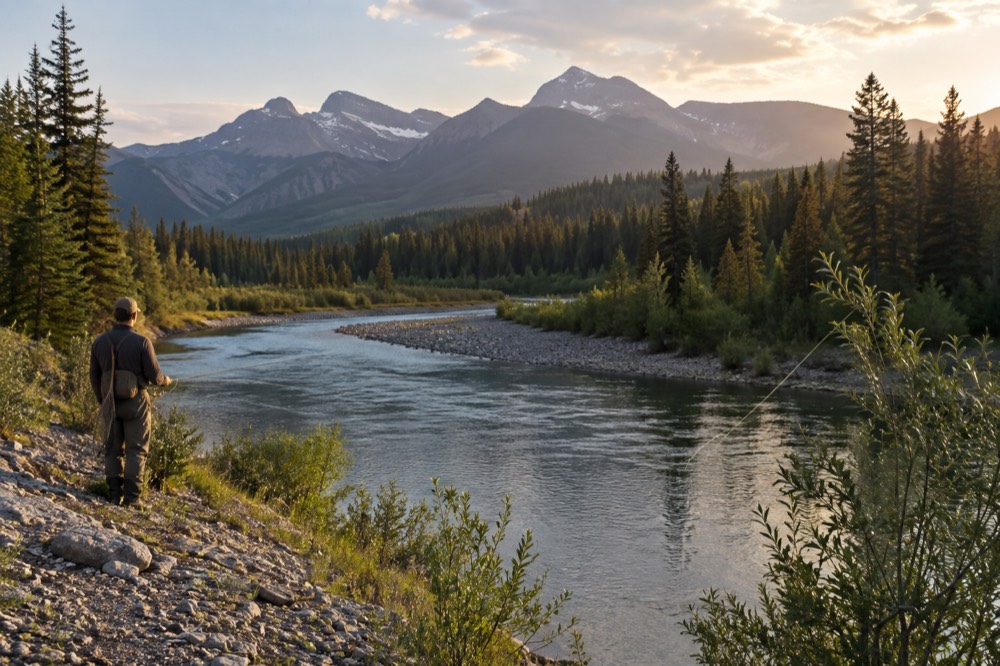
The stress point of this plan is day one's alpine drive, the stretch everyone in the park wants on the same morning. That is the leg worth outsourcing. The West Side Driving Tour runs about six hours from $250 per person with lunch and hotel pickup included, holds a 4.8 rating across 37 reviews, and covers Apgar Village and Lake McDonald with free cancellation. It deliberately skips the Sun Road's alpine section, which makes it a fit for travelers whose rental vehicle exceeds the 21-foot limit, or anyone who would rather read the scenery than white-knuckle the overlooks.
If you keep the driving yourself, the budget alternative is a self-guided audio tour. The Going-to-the-Sun Road audio app costs from $9.99 per group, up to 15 people, runs 10 to 11 hours of narration across 27 confirmed stops from West Glacier to Saint Mary, and carries a 4 rating across 27 reviews. It turns your own car into the tour vehicle for the price of two coffees.
| Day | Morning | Afternoon | Driving | Tour slot that replaces the hard leg |
|---|---|---|---|---|
| 1 | Apgar and Lake McDonald | Sun Road to Logan Pass and back | 4-5 hours | West Side Driving Tour, or audio app narration |
| 2 | Trail of the Cedars and Avalanche Lake | North Fork to Polebridge | 3 hours | None needed, low-traffic day |
| 3 | Half-day raft on the Middle Fork | Lake McDonald beach and Apgar | Under 1 hour | The raft trip itself is the guided slot |
Five Days: Adding Many Glacier And Two Medicine
Days one and two stay west, Sun Road and the North Fork. Day three is the 90-minute-plus transfer around the south side to St. Mary, with Two Medicine on the way. Day four goes to Many Glacier for Iceberg Lake or Grinnell. Day five returns over Logan Pass if the road allows, or back around Highway 2. Total driving rises to about 12 hours, spread so no single day exceeds four.
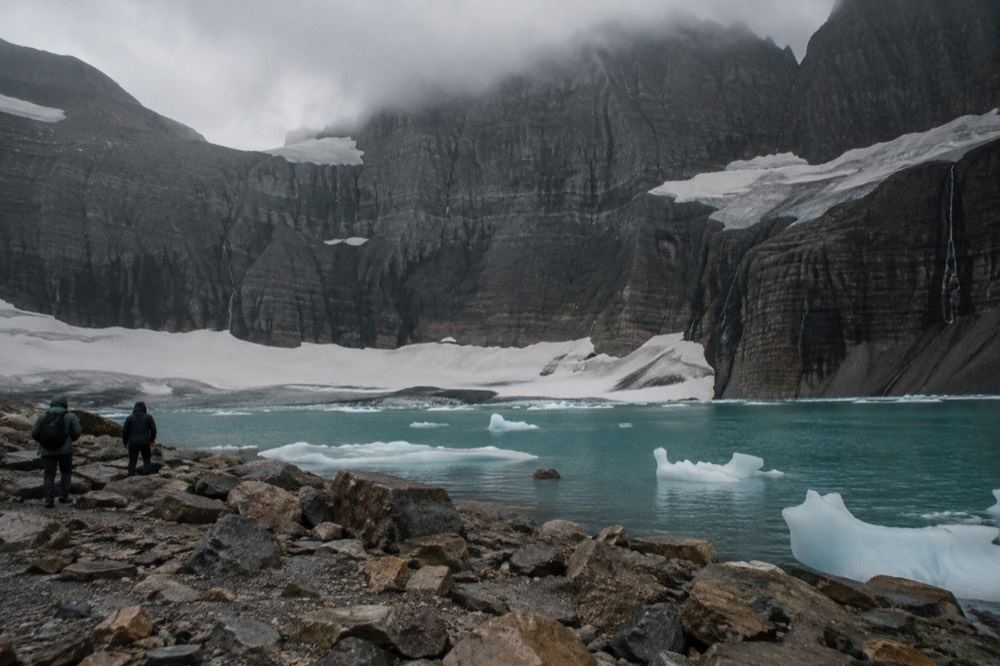
The transfer day is where most five-day plans quietly fail. West Glacier to St. Mary via Highway 2 and Highway 89 is 90 miles and about two hours, and Two Medicine sits 34 miles, an hour, south of St. Mary, so the move day can absorb Two Medicine entirely if you leave by 9 a.m. Grinnell Glacier viewpoint is the east side's marquee objective: 5.3 miles one way with 1,600 feet of gain from the trailhead, or 3.6 miles one way using the concession boat across Swiftcurrent and Josephine Lakes, which trims 3.4 miles round trip for the same climb. Iceberg Lake is the alternative, 4.8 miles one way with 1,200 feet of gain.
Day five's return deserves a decision, not a default. Crossing back over Logan Pass saves roughly 40 miles versus the highway ring, but it re-enters the park's most congested corridor at the end of a long trip. The three-hour parking limit at Logan Pass ran July 1 through September 7 in 2026, and the alpine section closed temporarily on September 14 after light snow, a reminder that the pass closes on weather's schedule, not yours. Check road status the night before, and text GNPROADS to 333111 for live updates.
Seven Days: The Full Park Itinerary With Rafting
Days one through five follow the five-day plan. Day six adds a Flathead Lake or Whitefish day on the western edge, and day seven either crosses at Chief Mountain into Waterton Lakes, Canada, or doubles back for a missed hike. The seventh day is the buffer: it absorbs the rain day, the road closure, or the trail that was full by 7 a.m., which is why experienced planners build it in rather than adding it later.
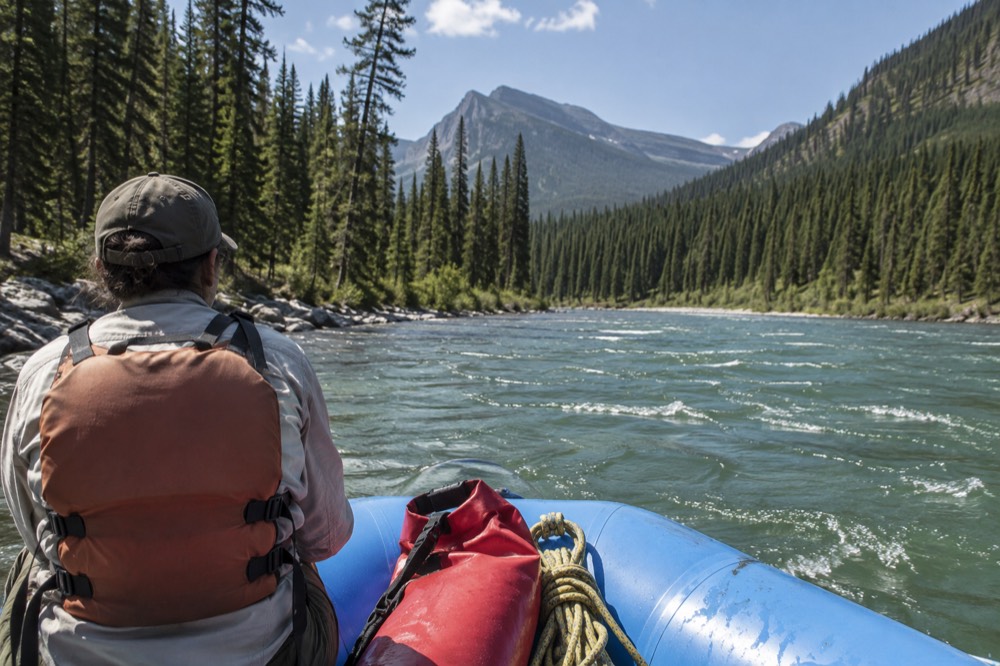
Seven days is also where a multi-day tour stop starts earning its slot. The 2-Day Rafting Adventure on the Middle Fork of the Flathead costs from $647.93 per person with meals included, covers two full days on the Wild and Scenic river that forms the park's western boundary, and is a new listing with one review and no rating yet. Inserted as days three and four of a west-based week, it converts two driving days into two river days and hands the logistics to a permitted outfitter. The Glacier rafting tours guide compares it against the half-day and full-day options.
The Waterton option carries a border caveat: the Chief Mountain port of entry between Alberta and Montana ran May 15 to September 30 in 2026, with 7 a.m. to 10 p.m. hours through the peak summer weeks and shorter hours at the shoulders. Miss the window and the day is gone. If the weather turns instead, the guided nature walk, four hours from $70 per person with a 4.9 rating across 127 reviews, is a strong rain-day substitute, since a local guide's eyes find wildlife that binocular-tourists miss in fog.
| Day | Base | Centerpiece | Driving | Notes |
|---|---|---|---|---|
| 1 | West Glacier | Sun Road to Logan Pass | 4-5 hours | Start before 8 a.m. in July |
| 2 | West Glacier | Avalanche Lake, North Fork | 3 hours | Polebridge Mercantile stop |
| 3-4 | West Glacier | Middle Fork two-day raft trip | Minimal | Meals included on the tour |
| 5 | St. Mary | Transfer via Two Medicine | 3 hours | 90-mile south-side route |
| 6 | St. Mary | Many Glacier hikes | 1.5 hours | Iceberg Lake or Grinnell |
| 7 | Either | Waterton crossing or Logan Pass return | 2-3 hours | Check Chief Mountain hours |
When Should Each Itinerary Start And End?
Start summer itineraries the day Going-to-the-Sun Road's alpine section opens, typically late June or early July, and end them before the third Monday in October, when the road typically closes. Mid-June to mid-September is the practical window for every plan above. July and August bring the crowds and the fullest daylight, while mid-September brings 12.5-hour days, active wildlife, and the season's first snow risk.
The road's 2026 full opening came on June 22, and plow crews had only reached the Big Drift, the final snow obstacle, in mid-May after starting April 1. That timeline repeats most years with a week or two of variation. On the back end, the park aims to hold the alpine section until the third Monday in October, but the September 14, 2026 temporary closure between Avalanche Creek and Jackson Glacier Overlook shows how early winter can interrupt even a normal season. Snow fell at Logan Pass while valley temperatures stayed mild, which is the standard pattern: the pass runs 10 to 15 degrees cooler than West Glacier.
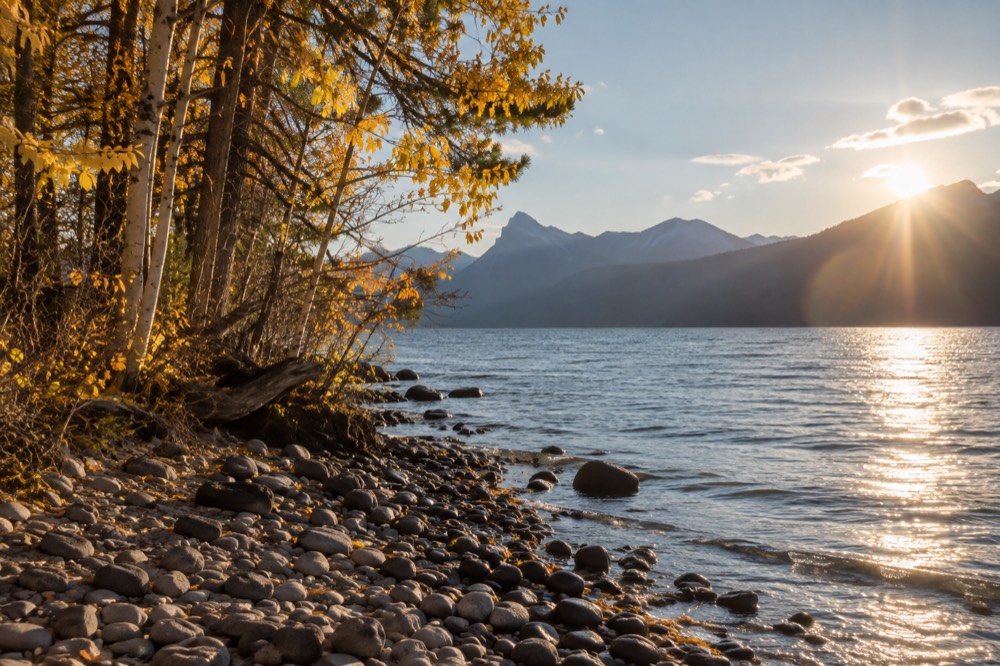
Shoulder-season planners get a real discount in exchange for risk. September 2025 saw 552,479 visits against July's 765,061, roughly 28 percent fewer people in the same valleys, and west-side NOAA normals for September average a 68-degree high against July's 80. The trade is that early snow can close the alpine road and alpine trails in a single night. Build your itinerary's most important driving day early in the week, not on the last day, so a closure has somewhere to land. The month-by-month detail lives in the Glacier weather by month guide.
Which Tour Slots Replace The Hardest Driving Legs?
The legs worth outsourcing are the Sun Road alpine drive, the Many Glacier access road in peak season, and any day involving a vehicle over the 21-foot limit. A guided driving tour replaces the first, a shuttle ticket replaces the parking fight at Logan Pass, and a boat-plus-hike or rafting day replaces driving entirely. Match the tour to the day it belongs to, not to the front of the trip.
The park's own 2026 shuttle made this easier and harder at once. It is no longer free: the ticketed Logan Pass shuttle ran July 1 to September 7 with a $1 per-person Recreation.gov processing fee, express routes from Apgar Visitor Center, Lake McDonald Lodge, St. Mary Visitor Center, and Rising Sun, and transfers at Logan Pass. Tickets released 60 days ahead from May 2 and again daily at 7 p.m. for next-day travel. The upside is a guaranteed seat, and every shuttle is wheelchair accessible. The catch: in 2026 the shuttle did not reach Avalanche Lake or the Trail of the Cedars.
For the river day, the guided slot is cheap enough to be almost automatic. The Half-Day Whitewater Rafting Trip on the Middle Fork starts at $55 per person, runs 2 hours 30 minutes, holds a 4.9 rating across 1,959 reviews, and needs no entrance pass at all since the river borders the park rather than running inside it. There is also a small-group variant at $91 per person if you want fewer people in the boat. Either one slots into the afternoon of a west-side day without touching your morning.
| Hard leg | Why it is hard | Tour slot that replaces it | Cost from |
|---|---|---|---|
| Sun Road alpine drive | Congestion, 21-foot limit, drop-offs | West Side Driving Tour or audio app | $9.99 per group or $250 per person |
| Logan Pass parking | Three-hour limit, fills by mid-morning | Ticketed shuttle, $1 fee | $1 per ticket |
| Many Glacier access road | Gravel, narrow, 2.5 hours from the west | Overnight in St. Mary instead | No tour needed |
| Grinnell Glacier hike | 5.3 miles one way from the trailhead | Concession boat shortcut | $41.70 adult round trip |
| Any driving day for RV travelers | Vehicle size ban on the alpine section | Guided tour with an authorized operator | Varies by tour |
Where Should You Stay Each Night?
West-side travelers should base in Whitefish, Columbia Falls, or West Glacier and never move. Multi-region itineraries should split the stay: two or three nights west, then one or two in St. Mary or East Glacier for the Many Glacier and Two Medicine days. The single worst itinerary mistake is day-tripping to Many Glacier from a western base every day, which costs five hours of driving per round trip.
Lodging supply is the hidden constraint. Many Glacier Hotel holds just over 200 rooms, and in-park lodges open reservations up to 13 months ahead, with each month's window opening at midnight Mountain Time on the first of the prior month. Whitefish, the biggest gateway town, averaged $378 per night for hotels in recent data, rising toward $705 in high season, and its short-term rentals hit 80 percent occupancy in July 2026. September and October rates ease considerably once the school year starts.
The east side has an advantage most itineraries ignore: St. Mary sits 20 miles and 40 minutes from Many Glacier, versus 70 miles and 2.5 hours from West Glacier. Two nights in St. Mary or East Glacier converts your two biggest east-side days from five-hour round trips into 80-minute ones. East Glacier Park also has a seasonal Amtrak stop on the Empire Builder line, which runs year-round to West Glacier, so a split-base itinerary can even work without a car on the transfer day. Note that Amtrak cut the Empire Builder to tri-weekly service from mid-October 2026, so check the timetable before relying on the train.
What Does A Glacier Itinerary Cost?
Budget about $35 per vehicle for seven days of entry, plus lodging, plus one or two guided slots. A three-day west-side plan for two people runs roughly $600 to $900 with one driving tour and one raft trip, before hotels. The biggest lever is timing: September cuts both lodging and crowd costs, and the park's eight 2026 fee-free days eliminated the entrance fee entirely for U.S. citizens and residents on those dates.
The fee structure is simple at the gate. A private vehicle pays $35 for seven days, $25 in winter from November 1 to April 30, and the park's annual pass is $70. Non-U.S. residents aged 16 and over pay an additional $100 per person on top of the entrance fee unless they hold an annual pass, a surcharge new enough that many planning pages still omit it. The official fees page lists all of it, including the 2026 fee-free dates: February 16, May 25, June 14, July 3 to 5, August 25, September 17, October 27, and November 11.
| Itinerary cost item | Figure | Source basis |
|---|---|---|
| Private vehicle entry, 7 days | $35 | NPS fees page |
| Park annual pass | $70 | NPS fees page |
| Audio driving tour, per group | From $9.99 | Tour listing |
| Half-day whitewater raft, per person | From $55 | Tour listing |
| West Side Driving Tour, per person | From $250 | Tour listing |
| Two-day raft with meals, per person | From $647.93 | Tour listing |
| Full-day whitewater with lunch, per person | From $164 | Tour listing |
Guided slots are worth their price on the days they replace stress, and skippable on the days they don't. The full-day whitewater trip with lunch, from $164 per person with a 4.9 rating across 401 reviews, is a better value than stacking two half-days. The 3-day small-group tour from Seattle, from $1,099 per person with hotel pickup and stops at Lake McDonald, Apgar Visitor Center, and Logan Pass, is a different animal: it is a full itinerary purchase, for travelers who want the whole plan outsourced rather than one leg. It is a new listing with no reviews yet, so weigh that accordingly.
The pattern across every plan in this guide is the same. Cost your days in driving hours first, book lodging in two bases if the east side is on the list, and buy the guided tour on the specific day it replaces the leg you dread, whether that is the alpine drive, the parking hunt, or a fifth hour behind the wheel. Readers comparing the full landscape of options, including the concessioner experiences that cannot be booked through this site, can start from Glacier National Park Tour Packages and drill into whichever corridor their itinerary now points at.
Common Questions About Glacier National Park Itineraries
How Many Days Do You Need For A Glacier National Park Itinerary?
Three days is the practical minimum: Going-to-the-Sun Road, Many Glacier, and Two Medicine or a river trip. Five days add hiking depth, and seven days cover the North Fork and a Waterton crossing with a weather buffer.
Do You Need A Vehicle Reservation For Glacier National Park In 2026?
No. Vehicle reservations were not required at any entrance or corridor in 2026, including Going-to-the-Sun Road, Many Glacier, Two Medicine, and the North Fork. A ticketed shuttle and a three-hour Logan Pass parking limit ran July 1 to September 7 instead.
What Is The Best Base Town For A Glacier Itinerary?
West-side travelers should stay in Whitefish, Columbia Falls, or West Glacier. If Many Glacier and Two Medicine are on the list, split the stay and add one or two nights in St. Mary or East Glacier to cut the biggest drive from 2.5 hours to 40 minutes each way.
Can You Do Going-To-The-Sun Road And Many Glacier In One Day?
It is possible but punishing: roughly six hours of driving plus stops. A better plan is one day for the Sun Road and an overnight in St. Mary before the Many Glacier day.
When Does Going-To-The-Sun Road Open And Close?
The full road opened on June 22 in 2026, and the typical pattern is a late June or early July full opening with closure around the third Monday in October, weather permitting. Temporary closures for snow can happen in any month at the alpine elevations.
Is A Guided Tour Worth Adding To A Glacier Itinerary?
On the right day, yes. A driving tour replaces the congested alpine leg, a raft trip replaces a driving day entirely, and an audio app turns your own car into a narrated tour from $9.99 per group. Match the tour to the day it belongs to rather than front-loading it.