Can You Do Glacier National Park And Yellowstone In One Trip?
Yes, but the 400-mile leg between Glacier and Yellowstone eats two full days of driving. Here is what the pairing costs in hours, what to cut, and how to split the days.
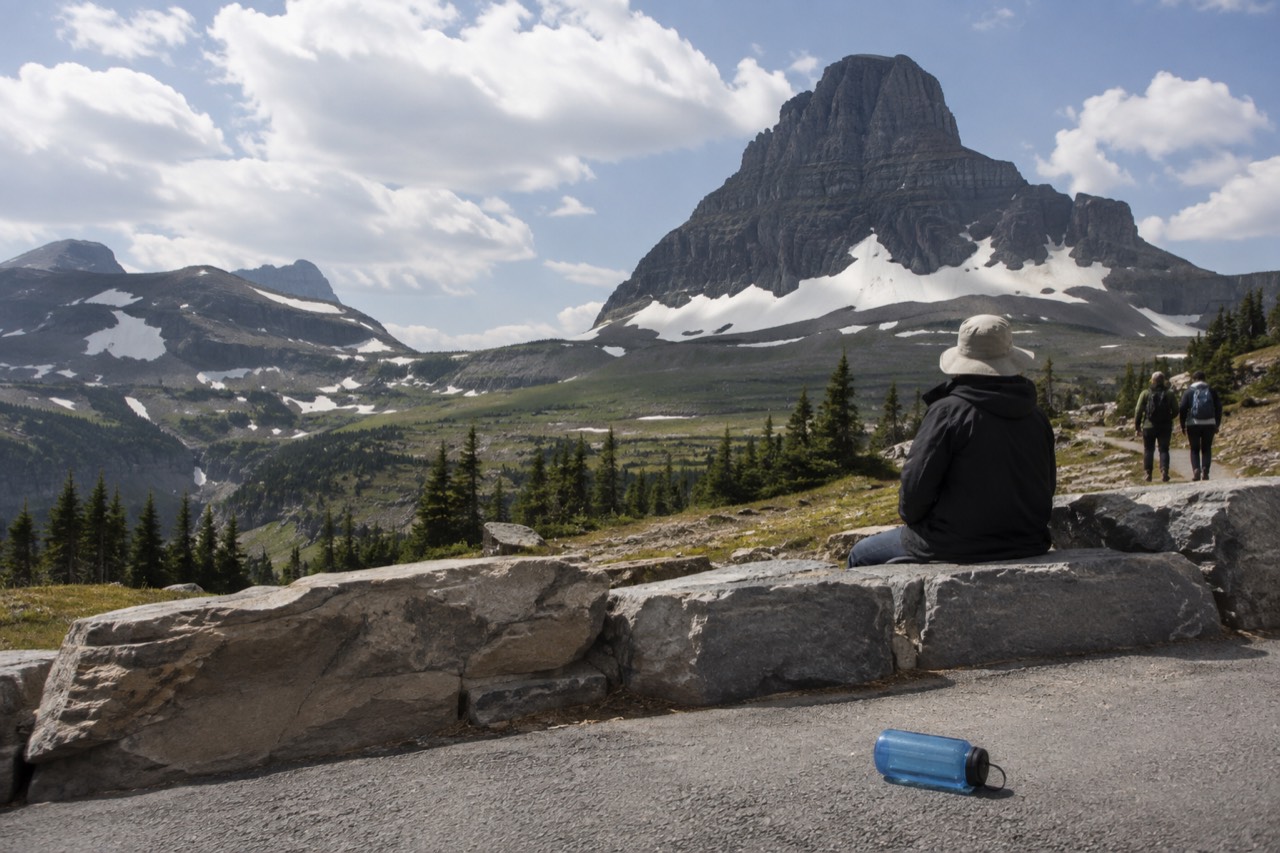
Can You Do Glacier National Park And Yellowstone In One Trip?
Can You Do Glacier National Park And Yellowstone In One Trip?
Yes, comfortably, if you have ten to twelve days. The two parks are roughly 900 road miles apart end to end when you count the connecting leg, and the drive between them runs about seven hours each way. With fewer than eight days the pairing still works, but you give up a full day in each park to the highway.
The honest answer starts with geography. Glacier National Park sits in the far northwest corner of Montana, against the Canadian border. Yellowstone sits mostly in Wyoming's northwest corner, south of Livingston. The same state contains both, but a traveler who looks at a map of Montana and assumes a short hop between them is in for a surprise. Recent 2026 planning guidance puts a typical Glacier plus Yellowstone road trip at 10 to 12 days covering approximately 900 miles, with 3 to 4 days allocated to each park and the driving segments routed via Helena or Missoula.
That 900-mile figure deserves a closer look, because it is the number that decides whether this trip works for you. A loop that starts and ends at an airport, spends three or four days in each park, and connects them through the Montana interior adds up fast. The leg alone, West Glacier to West Yellowstone by the fastest route, is a full day behind the wheel.
There is a second, less obvious constraint: the seasons do not line up neatly. Glacier's alpine centerpiece, Going-to-the-Sun Road, opened for its full 50-mile length on June 22 in 2026 and typically closes around the third Monday in October. Snow can fall at lower elevations as early as mid-September, and on September 14, 2026, light snowfall closed the alpine section between Avalanche Creek and Jackson Glacier Overlook for the day. Yellowstone's interior has its own spring thaw. If you want both parks at their best, late June through early September is the window, and July is the month when both are fully open and both are busy.
If you are building this trip, three bookable Glacier experiences solve problems the drive creates, and they are worth comparing early.
How Many Hours Of Driving Does The Connecting Leg Really Take?
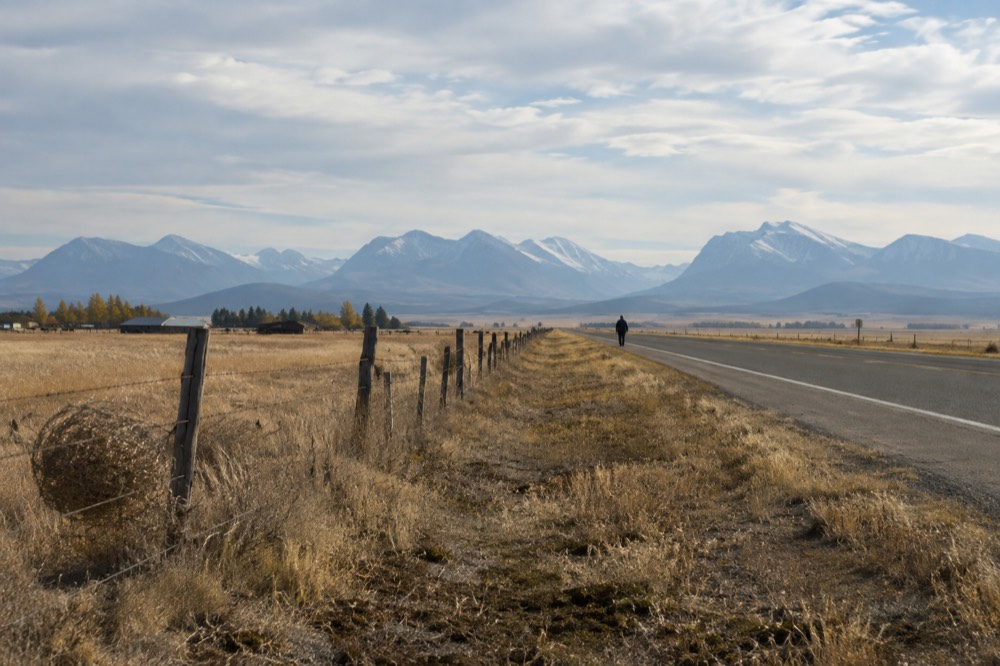
Plan on seven to eight hours of pure drive time each way between West Glacier and West Yellowstone, before food stops, fuel, or construction delays. Splitting the leg with an overnight in Bozeman, Helena, or Missoula turns two brutal days into two reasonable halves. Travelers who skip the overnight almost always regret it by the second afternoon.
The connecting drive is the single biggest cost of the pairing, and it is easy to underestimate. The fastest route from the West Glacier area to West Yellowstone runs south through the Flathead Valley, past Missoula, and down either the interstate corridor toward Bozeman or the scenic route through Ennis. Either way, you are buying a full day each direction.
For orientation, the National Park Service publishes verified drive times on the Glacier side of the ledger: West Glacier to St. Mary by Going-to-the-Sun Road is 50 miles and about 2 hours, West Glacier to Many Glacier is 70 miles and 2.5 hours, and West Glacier to Polebridge is 28 miles and a full hour. Inside the parks, miles mean hours. A 900-mile loop with park driving on both ends is really a 25 to 30 hour trip behind the wheel.
| Leg | Approximate character | What to expect |
|---|---|---|
| West Glacier to Missoula | About 2.5 hours through the Flathead Valley | Valley driving, easy fuel and food stops |
| Missoula to Bozeman via the interstate | Roughly 3.5 hours | Freeway the whole way, fastest option |
| Bozeman to West Yellowstone | About 1.5 hours on the Gallatin River canyon route | Scenic canyon stretch along the river |
| West Glacier to St. Mary via Going-to-the-Sun Road | 50 miles, about 2 hours | Slow, winding, worth every minute, open late June to mid-October |
The 2026 season added a wrinkle worth knowing: Glacier eliminated vehicle reservations entirely, so no timed-entry permit stands between you and the road. In their place, the park ran a three-hour parking limit at Logan Pass from July 1 through September 7, and a ticketed shuttle to the pass with a $1 per-person Recreation.gov processing fee. None of this affects the Yellowstone leg, but it shapes how you use your Glacier days.
One more Montana reality: this is big, lightly populated country. Cell coverage disappears for long stretches on the rural connecting routes, and the last fuel before some scenic segments can be 60 miles back the way you came. Fill up before the long legs rather than assuming a town will appear.
How Should You Split The Days Between The Two Parks?
Give Glacier three to four days and Yellowstone three to four days, with one to two days for the connecting drive. Glacier rewards fewer, bigger days because its sights concentrate along one road, while Yellowstone spreads across five entrances and a figure-eight road system. A 10 to 12 day trip splits roughly evenly; an 8 day trip needs a clear favorite.
The standard advice from 2026 itinerary planning holds up: 3 to 4 days per park, routed through Helena or Missoula. But the two parks do not consume days the same way. Glacier's marquee experiences, Going-to-the-Sun Road, Many Glacier, Two Medicine, and the North Fork, are far apart, and the park's 151 trails and 745.6 miles of trail network are mostly day-hike scale. Yellowstone is a driving park at heart, with thermal basins, canyon rims, and wildlife valleys strung along its Grand Loop Road.
Glacier also has a harder crowd ceiling in one specific sense. July 2026 recorded 896,386 recreation visits at Glacier, a 17 percent jump over the previous July and the fourth-busiest on record. Parking at Logan Pass filled and turned over under the three-hour limit. In the same month, travelers on Reddit described west-side crowds as variable but manageable, with lighter use in the backcountry. Yellowstone has its own congestion, but its road system disperses it differently.
If your days are short, decide what kind of trip you want. Thermal features and wildlife herds point to Yellowstone. Alpine scenery, a single spectacular road, and whitewater point to Glacier. Some travelers cut the loop and fly into one park, out of the other, which removes one connecting leg entirely.
For the Glacier half, one decision saves a whole day of logistics: whether to drive Going-to-the-Sun Road yourself or let someone else handle it. The road prohibits vehicles longer than 21 feet or wider than 8 feet including mirrors on the alpine section, and the park itself tells oversized-vehicle travelers to book a guided tour or a shuttle ticket. The National Park Service states plainly that visitors who want a tour experience on the road can reserve one with an authorized commercial operator.
The West Side Driving Tour is the bookable answer on the west side. It runs 6 hours from $250 per person with lunch and hotel pickup included, holds a 4.8 rating across 37 reviews, and covers confirmed stops at Apgar Village and Lake McDonald. For a trip that already has a lot of driving in it, handing this corridor to a guide buys back a day.
That guided day pairs naturally with a free afternoon. West Glacier sits next to the Middle Fork of the Flathead River, and a short rafting window there fills the hours a self-drive day would have burned, without adding another minute behind the wheel on the Going-to-the-Sun corridor.
What Has To Be Cut To Make The Pairing Work?
With eight days or fewer, cut the second corridor in each park: skip Two Medicine and the North Fork at Glacier, skip the Bechler area and a second full day in Yellowstone's interior. With ten days or more, nothing has to be cut, but the Many Glacier valley and a Lamar Valley sunrise should be locked in first. Every day you add to the drive, you take from a valley.
This is where most pairing itineraries quietly fail. The temptation is to keep every headline stop in both parks, which produces a trip of two-hour photo stops and no time on foot. Something has to give, and it should be a conscious choice rather than an accident of traffic.
At Glacier, the cuts fall in a natural order. Going-to-the-Sun Road is non-negotiable, and Logan Pass plus either the Hidden Lake Overlook or the Highline Trail is the core of a visit. Many Glacier, 70 miles and 2.5 hours from West Glacier, is the first thing to go on a tight schedule, which is a real loss because Iceberg Lake and the Grinnell Glacier viewpoint sit there. Two Medicine and the North Fork around Polebridge are the next casualties. The east side, reached from St. Mary, pairs well with a Sun Tours or Red Bus day if you have the hours.
At Yellowstone, the cuts are less painful because the interior concentrates. The Grand Loop Road figure-eight hits the major geyser basins, the canyon, and the lake in two full days. A third day buys Lamar Valley and the northeast entrance. Cutting to a day and a half means choosing between the Old Faithful corridor and the canyon corridor, and racing both.
One pairing trap deserves its own warning: do not plan a same-day transfer that includes park sightseeing. A traveler who leaves Many Glacier at 8 a.m. can reach West Yellowstone by dinner, but that day contains zero Yellowstone and a rushed Glacier morning. The transfer days should be transfer days, with one modest stop, not two parks squeezed into one dashboard.
For Glacier days saved, the self-guided audio option deserves a look. The Going-to-the-Sun Road audio tour runs from $9.99 per group of up to 15, holds a 4 rating across 27 reviews, and narrates the full drive from West Glacier through Logan Pass to St. Mary with more than two dozen confirmed stops along the way. It costs less than a single sandwich per car and turns your own driving day into something closer to a guided one.
What Does A Realistic Two-Park Itinerary Look Like?
A workable shape is 11 days: three nights West Glacier, one night mid-route, three nights West Yellowstone, and travel days on either end. Fly into Glacier Park International Airport and out of Bozeman if the one-way rental pencil works, and reverse it if not. The itinerary below keeps every transfer day honest and every park day focused.
Here is a concrete shape, built from the verified drive times and the 10 to 12 day guidance. Adjust the nights to your stamina, but keep the structure: park days stay park days, and transfer days get their own nights.
| Days | Base | Focus |
|---|---|---|
| 1 | West Glacier | Arrive at Glacier Park International Airport, about 30 miles from the West Entrance, settle in at Apgar or West Glacier |
| 2 to 4 | West Glacier | Going-to-the-Sun Road day, Many Glacier day, one flexible day for hiking or rafting |
| 5 | Bozeman or Helena | Transfer day, one stop en route, no park entries |
| 6 to 8 | West Yellowstone | Geyser basins, canyon, lake, one Lamar Valley morning |
| 9 | West Yellowstone | Buffer day for wildlife, a second thermal basin, or weather |
| 10 | En route | Second transfer day, or fly out of Bozeman instead |
| 11 | Home | Final morning and departure |
The fly-in, fly-out split is the quiet money saver. Glacier Park International Airport sits about 30 miles west of the West Entrance, and Bozeman serves Yellowstone's north entrance region. A one-way rental between them removes one full connecting leg, roughly seven hours, from your trip. Six airlines served the Glacier airport in 2026: Alaska, Allegiant, American, Delta, Sun Country, and United. The trade is a one-way drop fee on the car, which varies widely, so price it both ways before committing.
Timing matters as much as routing. The best window for both parks in one trip is late June through early September, when Going-to-the-Sun Road is fully open and Yellowstone's interior roads are clear. Go too early and Glacier's alpine section may still be closed, as it was until June 22 in 2026. Go too late and early snow can close it again, as it briefly did on September 14, 2026. Shoulder-season travelers get thinner crowds and lower lodging prices, with real weather risk at Glacier's high end.
Budget the entrance fees early, because they are modest but not zero. Glacier charges $35 per private vehicle for seven days in summer, $25 in winter, and the annual pass is $70. Non-US residents aged 16 and over pay an additional $100 per person on top of the standard fee, a newer charge many international visitors miss. Fee-free days in 2026 included Memorial Day, Flag Day, the Independence Day weekend, and Veterans Day, though the list applies to US citizens and residents. Yellowstone's entrance fee is separate and charged per vehicle as well, so a two-park loop pays two entrance fees plus fuel, which is a rounding error next to lodging.
Lodging is the real budget line. Whitefish hotels averaged $378 per night in 2026, rising toward $705 in high season, and short-term rental occupancy there hit 80 percent in July. Booking park-adjacent lodging months ahead is not optional for summer. Our guide to where to stay near Glacier National Park breaks down the gateway towns, and how many days you need to tour Glacier National Park covers the Glacier half of the split in more depth.
Which Glacier Tours Fit Best Into A Two-Park Trip?
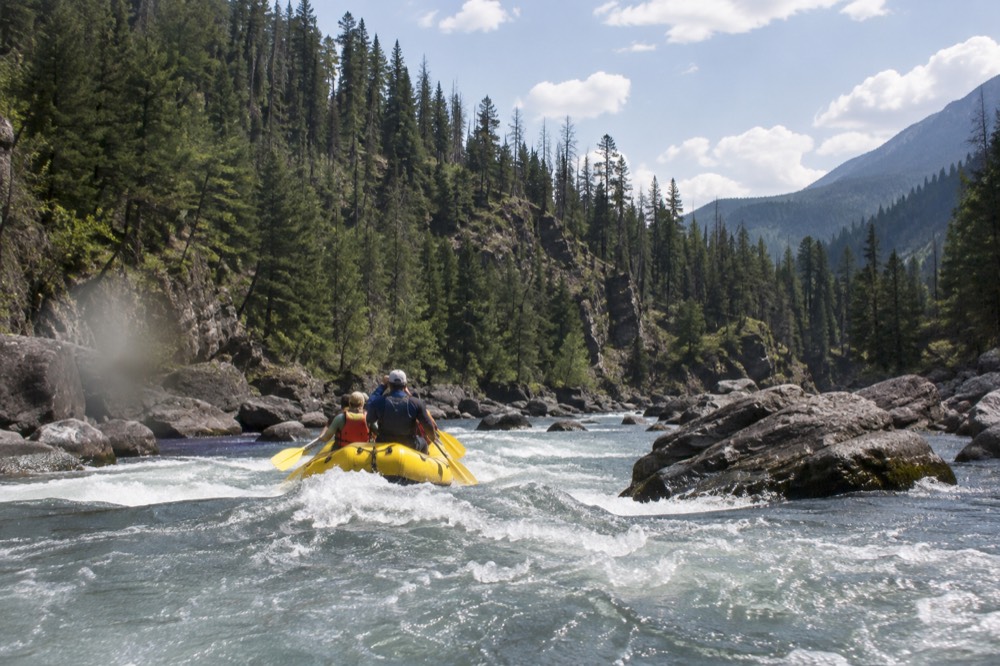
Fit one driving-based experience and one water-based experience into the Glacier half, and let the Yellowstone half run on its own roads. The half-day whitewater trip, from $55 per person with a 4.9 rating across 1,959 reviews, is the highest-reviewed bookable tour on the entire Glacier roster and takes just 2.5 hours. Pair it with a guided or audio driving day and the Glacier side is complete.
The two-park trip compresses Glacier into three or four days, so each tour has to earn its slot. The whitewater half-day is the easiest yes on the roster: it runs the Middle Fork of the Flathead, which forms the park's southern border, through Class II and III rapids, and its review pool of nearly two thousand people is by far the deepest of any bookable Glacier listing. At 2.5 hours it fits a morning or an arrival afternoon without costing a park day.
The scenic float alternative, from $55 per person with a 4.9 rating across 851 reviews, suits travelers who want the same river without the rapids. The full-day whitewater with lunch, from $164 per person, is the better pick only if you have a fourth Glacier day and want the river to be the whole day's story.
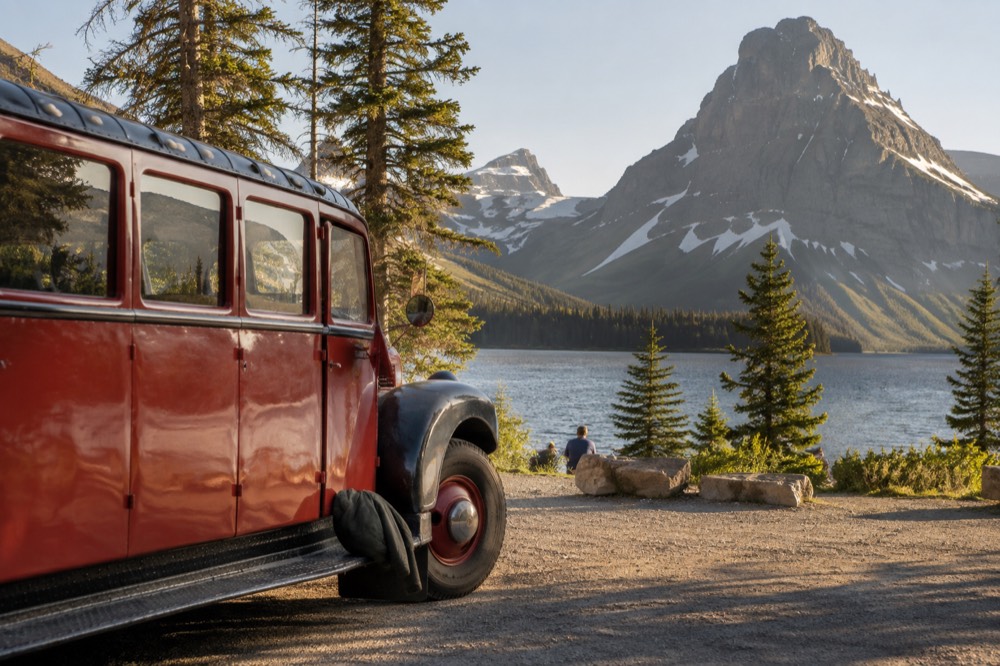
Beyond the roster, remember what is not bookable through a comparison site at all. The 1930s Red Bus tours, the historic boat cruises on Lake McDonald and Swiftcurrent, horseback rides, and Blackfeet-guided Sun Tours are sold direct by their concessioners. The Red Bus fleet of 33 rebuilt buses carries 16 passengers each and, in the operator's own words, tends to sell out on a daily basis. If a Red Bus day is part of your Glacier plan, book it direct and early. Our Red Bus tours guide has the full route and pricing detail.
For a site that exists to compare the bookable options, the honest summary is this: Glacier's bookable roster covers driving, rafting, hiking, fishing, and paddling well, while its most famous guided experiences are direct-only. Plan the Glacier half around that split, and the Yellowstone half around its roads, and the pairing works. The team at Glacier National Park Tour Packages built this comparison around exactly that distinction.
Common Questions About Combining Glacier And Yellowstone
Can You Do Glacier National Park And Yellowstone In One Trip?
Yes. A realistic pairing needs 10 to 12 days, with 3 to 4 days in each park and one to two days for the roughly seven-hour connecting drive each way. Eight days works if you cut a corridor in each park, and flying into one airport and out of the other removes one full driving day.
How Far Apart Are Glacier And Yellowstone?
They sit in the same state but not close together. A typical two-park loop covers approximately 900 miles total, and the connecting leg between West Glacier and West Yellowstone takes about seven hours of driving before stops.
What Is The Best Month To Visit Both Parks In One Trip?
Late June through early September, when Going-to-the-Sun Road is fully open and Yellowstone's interior roads are clear. In 2026 the Glacier road opened June 22 and light snow closed the alpine section for a day in mid-September, so the shoulder edges carry real risk.
Do I Need A Vehicle Reservation For Glacier On This Trip?
No. Glacier required no vehicle reservations anywhere in the park for the 2026 season. Instead, Logan Pass parking ran a three-hour limit from July 1 through September 7, and a ticketed shuttle served the pass with a $1 per-ticket processing fee.
Which Park Should Get More Days?
Split them evenly at 3 to 4 days each. If you must favor one, favor the park whose headline activity matters most to you: alpine driving and rafting point to Glacier, thermal features and wildlife valleys point to Yellowstone.
Is It Better To Drive Between The Parks Or Fly?
Driving one way and flying the other is often the best mix. A one-way rental from Glacier Park International Airport to Bozeman removes one seven-hour leg, though drop fees vary. Driving both legs costs two full days.