Wildlife Tours In Glacier National Park: What A Guide Actually Adds
Glacier National Park holds an estimated 300 grizzly bears, mountain goats, bighorn sheep, moose and 278 bird species, but most visitors drive past all of them. A guided wildlife trip changes the odds, and this guide explains honestly how and by how much.
Short answer
Wildlife tours in Glacier work because guides run at dawn, know feeding and crossing areas, and carry optics. This site's bookable roster includes a 4-hour guided nature walk from $70 per person, a guided snowshoe trek from $230, and a west-side driving tour from $250. The famous Red Bus and boat trips are sold direct and are not wildlife tours.
What Is A Glacier National Park Wildlife Tour?
A wildlife tour in Glacier National Park is any guided trip whose main purpose is finding and watching animals rather than reaching a destination, and in practice that means dawn departures, quiet corridors and a guide who reads the landscape. No operator can promise a grizzly sighting, and the honest tours say so up front. What a good guide genuinely changes is where you look, when, and how long you stay still.
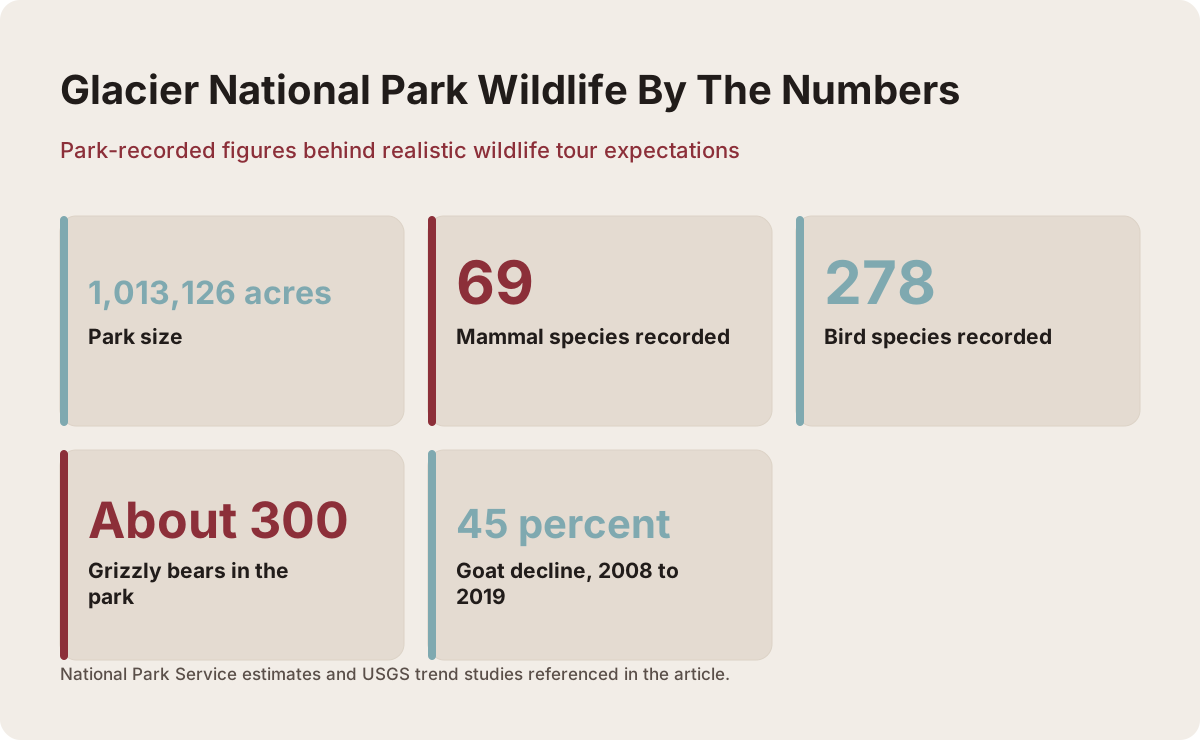
Glacier is one of the few large parks in the lower 48 where the full predator and prey system still functions. The park spans 1,013,126 acres, with 69 mammal species and 278 bird species recorded inside its boundary. Roughly 300 grizzly bears live in the park according to National Park Service estimates referenced in April 2026 reporting, and more than 1,000 grizzlies occupy the wider Northern Continental Divide Ecosystem as of mid-September 2026 statements from Montana Fish, Wildlife and Parks. That density is the reason wildlife tourism here is a real category and not a marketing invention.
What confuses many first-time visitors is that the park's most famous guided products are not wildlife tours at all. The 1930s Red Bus tours run by Glacier National Park Lodges are interpretive road tours, sold direct by the concessioner. The historic boat cruises on Lake McDonald and St. Mary Lake are scenic trips. Neither is built around animal activity, and our guide to Red Bus tours at Glacier National Park covers them separately. What is actually bookable through this site with a wildlife focus is smaller and quieter: guided nature walks, snowshoe treks, and driving tours whose guides watch for animals en route.
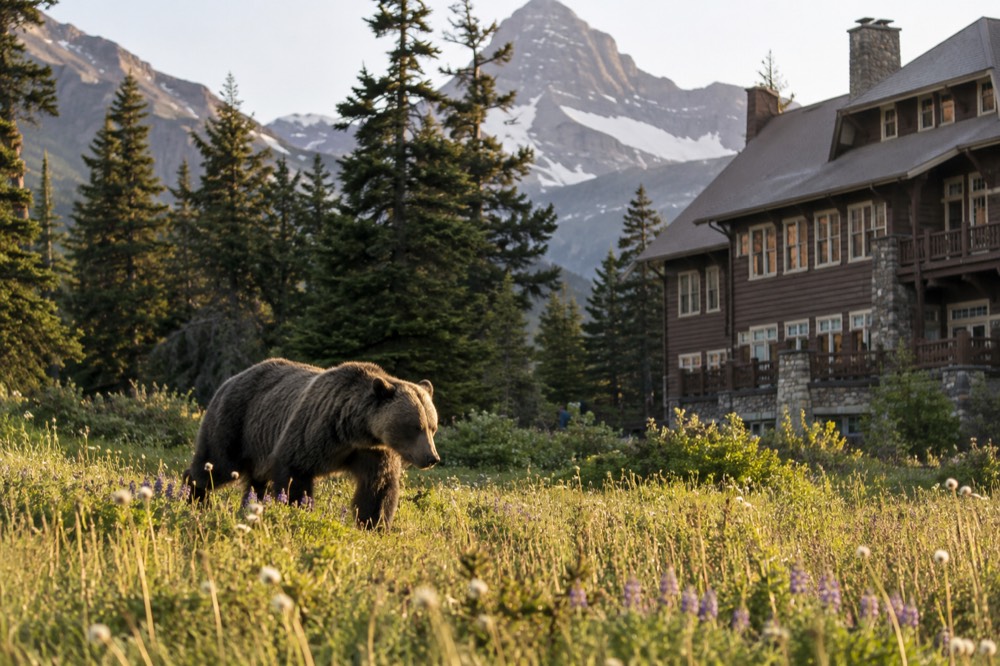
The distinction matters for planning. If your trip's goal is a specific animal, especially a bear or a moose, the variables that matter are time of day, which side of the Continental Divide you are on, and whether someone in your group knows what a fresh dig site or a game trail looks like. A tour solves the third variable and usually the first. The second is on you, and the next section explains why. This is the same honest split between bookable and direct-only products that runs through everything on Glacier National Park Tour Packages.
Why Wildlife Trips Run At Dawn On The East Side
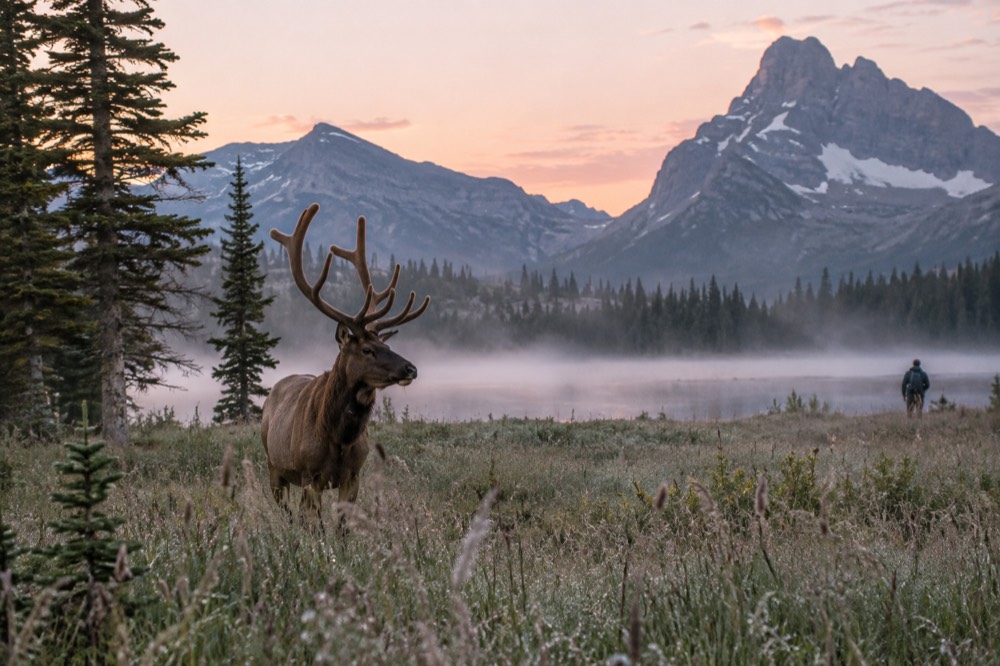
Guided wildlife trips in Glacier leave before or shortly after sunrise because bears, moose and sheep are crepuscular: most active in the first and last two hours of daylight. The east side gets the nod because its open valleys let you see animals from a distance, while the west side's dense forest hides them. A guide who knows a specific meadow beats a driver covering ten times the ground.
The biology is straightforward. Animals avoid the heat of midday in summer and avoid humans whenever possible. In July 2026 the park recorded 896,386 recreation visits, a 17.17 percent increase over July 2025 and the fourth-busiest July on record, and July and August together carry 47.3 percent of the park's annual visits in a typical year. By 10 a.m. on a summer day, the popular corridors are full of people, and the animals have moved off. Dawn is not a stylistic choice, it is the window when the park still belongs to the wildlife.
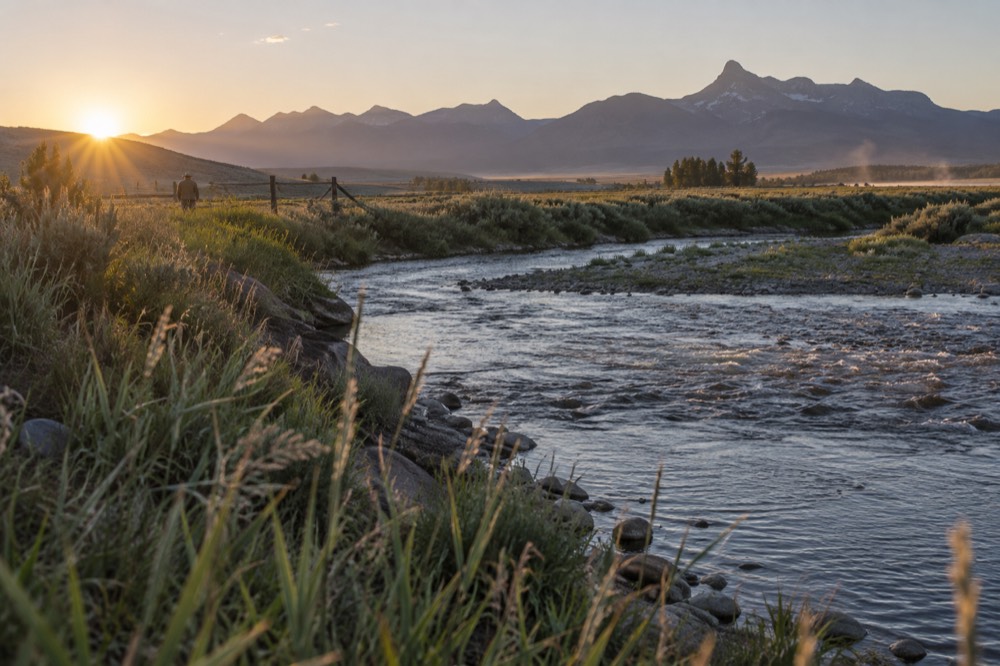
The east side argument is about visibility rather than abundance. West of the Continental Divide the forest is thick cedar and hemlock, and a moose fifty feet off the road is invisible. East of the divide the terrain opens into wide valleys and short-grass slopes, so the same moose is visible from half a mile away. The Many Glacier area, Two Medicine, and the St. Mary valley are the classic morning circuits for exactly this reason, and the Blackfeet-guided Sun Tours trips, which interpret wildlife alongside tribal history, run from the east side for the same practical logic.
For travelers who cannot or do not want to self-drive at 5:30 a.m., a guided trip is the realistic way to be in the right place at the right hour. These three options from the bookable roster each put a guide between you and the landscape, at three very different price points.
One planning note that catches people out: in 2026 no vehicle reservations were required anywhere in the park, so pre-dawn driving is administratively simple. But the park ran a ticketed-only shuttle to Logan Pass from July 1 to September 7 with a $1 per-person processing fee, and that shuttle's first departures were 6:00 a.m. from Apgar and St. Mary. If you are building your own dawn plan around transit rather than a tour, the shuttle is the tool, and our comparison of the Glacier shuttle versus a guided tour works through the trade-offs.
What A Guide Sees That A Self-Driver Misses
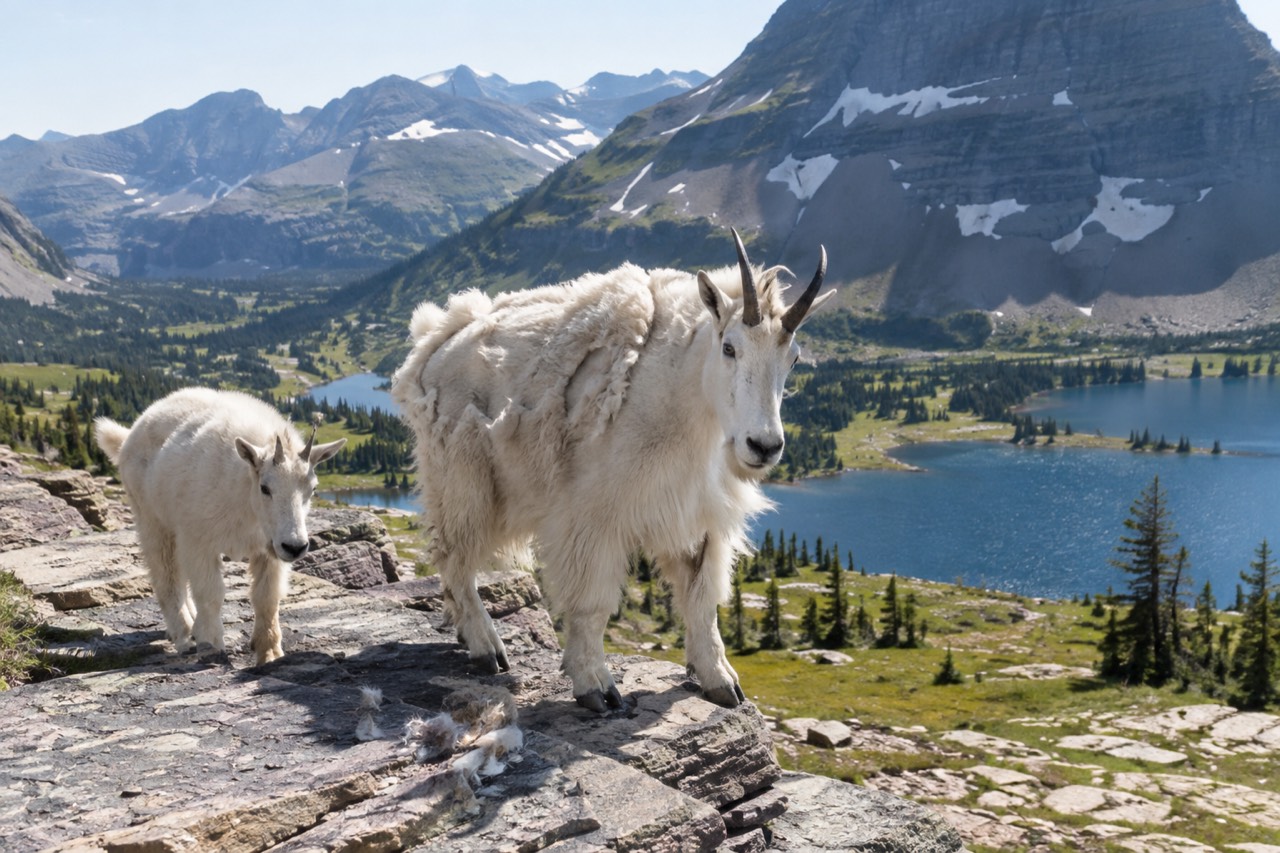
A trained guide contributes three things a self-driver cannot easily replicate: pattern recognition from hundreds of days in the same drainage, quality optics shared with the group, and the discipline to stop and wait. Most self-drivers cover Going-to-the-Sun Road in one pass, see nothing moving, and conclude the park is empty. Guides know a dark shape on a distant slope is a goat, not a rock.
The pattern-recognition point deserves unpacking because it is the actual product you are buying. A guide who works the same valley daily knows which avalanche path the bears dig glacier lily bulbs in during June, which willow stand the moose cows keep their calves in, and where the bighorn rams come down to lick minerals along the road cuts. None of that is secret knowledge, but all of it is accumulated, and none of it is on a roadside sign. A review on the live listing for the 4-hour nature walk describes exactly this: the guide spotting things the group walked straight past.
The second contribution is equipment and legality combined. Federal rules prohibit intentionally approaching within 100 yards of bears or wolves and 25 yards of all other wildlife, and the National Park Service restated those distances in its May 2026 bear safety update. A guide with a spotting scope turns a 300-yard ethical distance into a full-frame view. A self-driver who pulls over near a roadside bear is not just breaking the rules, they are training the bear to associate cars with food, and habituated bears end up removed from the park.
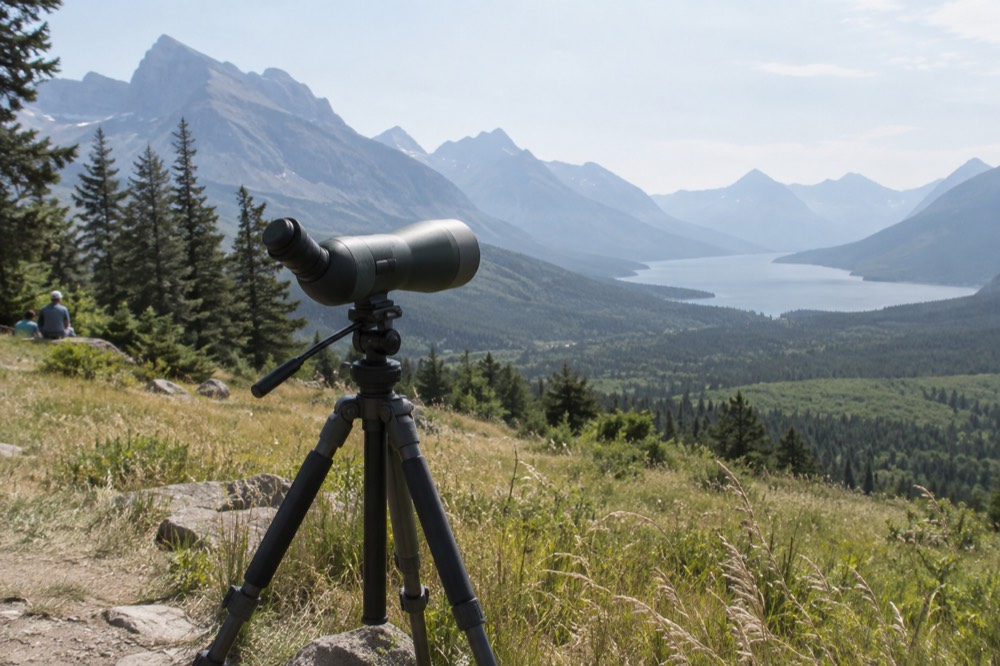
Third, a guide manages the stop. Wildlife watching rewards stillness and patience, and a self-driver with a car full of people and a schedule to keep rarely gives a meadow twenty quiet minutes. Guided groups do. That is why guided hikes often produce better sightings per hour than the road, even though the road covers more ground.
Honest Sighting Odds By Species
No tour can guarantee an animal, but the odds are not random either: mountain goats and bighorn sheep are near-certain at the right locations, moose are likely at dawn in the right wetlands, and a grizzly sighting is a genuine possibility on any east-side morning but never a promise. Roughly 300 grizzlies live in the park, and goat numbers declined about 45 percent between 2008 and 2019 before stabilizing.
The table below is deliberately conservative. It reflects what the park's own data and the USGS trend studies support, not what tour marketing implies. Note the mountain goat figure carefully: researchers documented a 45 percent decline in park goat numbers between 2008 and 2019, with median goats per site dropping from 77.8 to 42.3, so older trip reports and forum posts overstate how many you will see.
| Species | Where and when | Realistic odds on a guided trip | Notes |
|---|---|---|---|
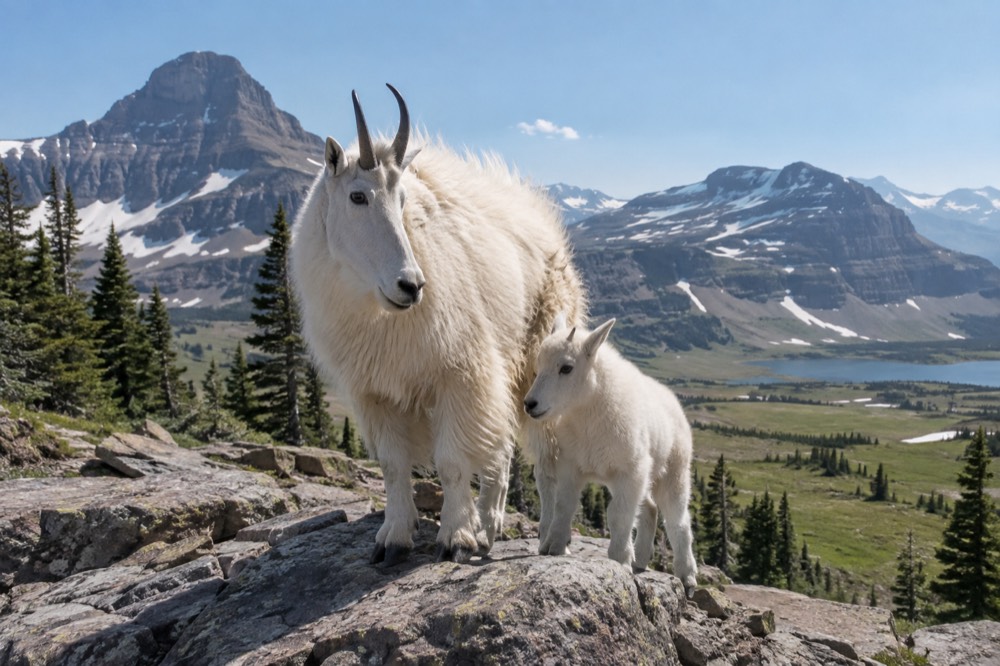
| Mountain goat | Logan Pass area, Highline Trail, east-side cliffs | High in summer at known sites | Park-wide numbers fell 45 percent 2008 to 2019, then stabilized |
| Bighorn sheep | Many Glacier, St. Mary valley road cuts | High in summer | Come to mineral licks near roads |
| Moose | West-side wetlands, Two Medicine, willow stands | Moderate at dawn | Cows hide calves in thick willow |
| Grizzly bear | East-side valleys, alpine meadows, avalanche paths | Possible, never promised | About 300 in the park; 2026 saw two confirmed attacks on hikers |
| Black bear | West-side forest edges, Lake McDonald area | Moderate | Often misidentified as grizzly |
| Wolves | Park-wide, very wide ranges | Low | Legal viewing distance is 100 yards |
| Ptarmigan, Clark's nutcracker | Alpine zones, Logan Pass | High with a guide who knows calls | 278 bird species recorded |
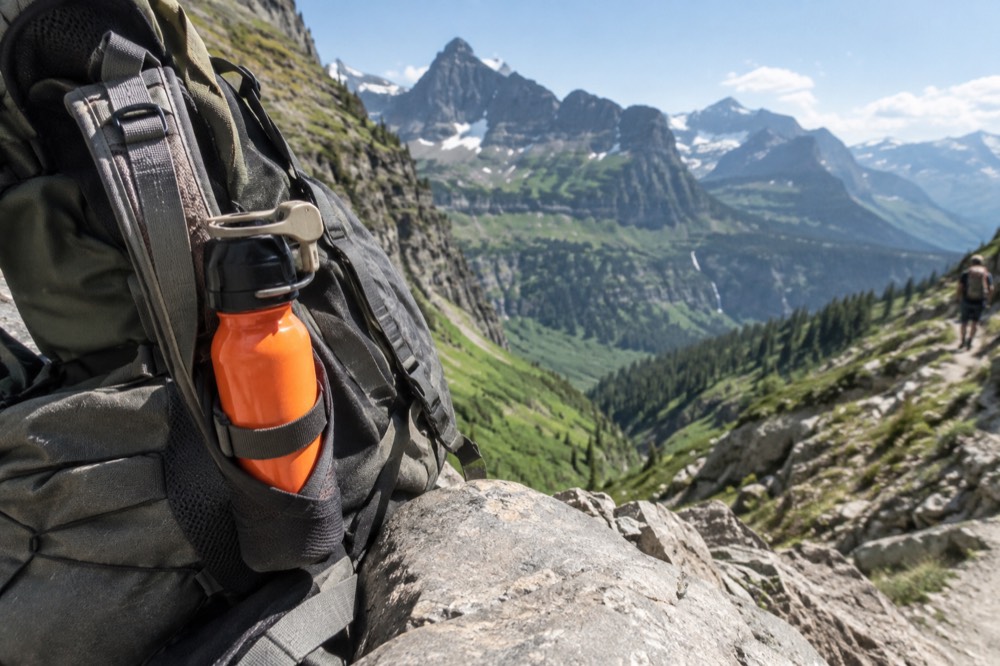
The bear line deserves honesty rather than hype. In 2026 the park recorded its first fatal grizzly attack since 1998, a solo hiker on the Mount Brown Lookout trail on May 3, and a second surprise encounter on May 28 in which a grizzly charged and fractured a hiker's arm on the Grinnell Glacier Trail. Neither incident makes the park dangerous in any statistical sense, but both underline why guided groups travel together, make noise in brush, and carry bear spray. The National Park Service calls bear spray the most effective deterrent shown, and requires it be EPA-registered with 1 to 2 percent capsaicinoids if carried on the Logan Pass shuttle.
Birders get real value from guides here too. The park's 278 bird species include harlequin ducks on the fast rivers, great gray owls in the west-side forest, and white-tailed ptarmigan turning white on the alpine tundra. A guide who knows calls and habitat triples the species list of a casual walk, and the quiet pace of a nature walk suits birding far better than a road tour. For trip timing built around wildlife rather than weather alone, our best time to visit Glacier National Park guide carries the month-by-month detail.
The Bookable Tours That Work For Wildlife
The tours on this site's roster that genuinely serve wildlife watching are the guided nature walk at $70 per person, the guided snowshoe trek and combo driving-plus-snowshoe trips at $230 per person, and the west-side driving tour at $250 per person, plus the two audio driving apps for self-guided animal spotting. The Red Bus, boat and horseback products that dominate search results are sold direct by their operators and are not wildlife-focused.
Here is the honest comparison, using each listing's own verified figures. Note the price bases: the driving and walking tours are per person, and the ratings are printed with their review counts, because a 5.0 from three reviews is a rating from three people, not a verdict.
| Tour | Price basis | Rating and reviews | Duration | Why it fits wildlife |
|---|---|---|---|---|
| 4-Hour Guided Nature Walk | $70 per person | 4.9 across 127 reviews | 4 hours | Slow pace, naturalist guide, quiet forest and meadow habitat |
| Guided Snowshoe Trek | $230 per person | 5 across 2 reviews | 5 hours | Winter tracking, hotel pickup included |
| Drive Plus Snowshoe Combo | $230 per person | 5 across 3 reviews | 5 hours | Road corridors plus on-foot tracking, pickup included |
| West Side Driving Tour | $250 per person | 4.8 across 37 reviews | 6 hours | Guide-driven, lunch included, Apgar and Lake McDonald corridors |
| Winter Driving Tour | $250 per person | 5 across 34 reviews | 5 to 6 hours | Winter wildlife on the west side, lunch included |
| Sun Road Audio App | $9.99 per group up to 15 | 4 across 27 reviews | 10 to 11 hours | Self-guided, 26 confirmed stops, your own timing at dawn |
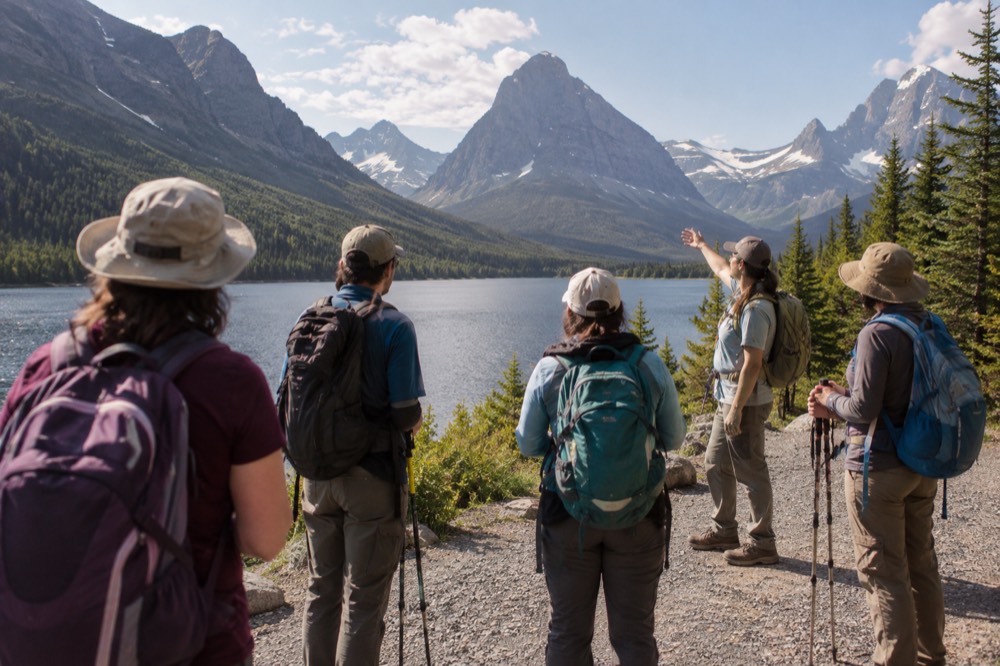
The guided nature walk is the anchor recommendation on this site for a simple reason: it is the cheapest guided product on the roster, it has the deepest review pool of any of them, and its entire format is built around moving slowly enough to notice things. It runs 4 hours from $70 per person with free cancellation, and a review on the live listing describes the guide pointing out sign and tracks the group would have walked over. If you book one wildlife-oriented trip, this is the one.
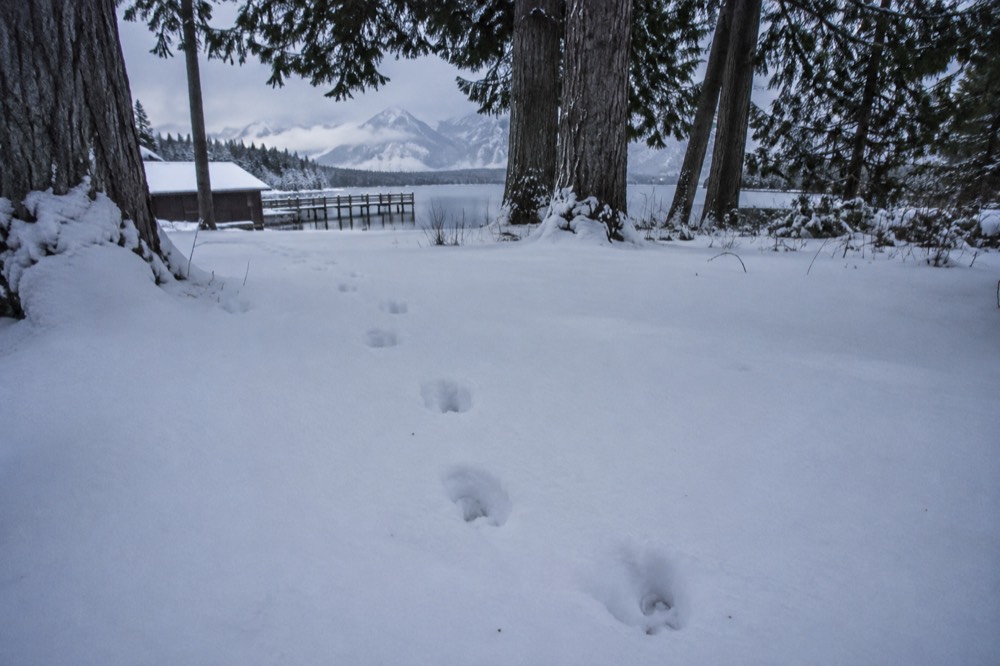
The snowshoe trek is the winter answer, and winter is an underrated wildlife season: tracks in fresh snow tell a guide a story that summer grass hides. It runs 5 hours from $230 per person with hotel pickup included, though it is a new listing with only 2 reviews so far, so treat the 5.0 rating as an early signal rather than a settled verdict. The combo version adds a driving segment through West Glacier and Apgar Village before the snowshoe portion, at the same $230 per person.
The west-side driving tour is the right pick for travelers who want the road-corridor experience with a guide's eyes and do not want to walk far. It runs 6 hours from $250 per person, 4.8 across 37 reviews, with lunch and hotel pickup included, and its confirmed stops at Apgar Village and Lake McDonald put it in moose and black bear country. It deliberately skips Going-to-the-Sun Road, which keeps the price and the logistics simpler. If a road-based morning with a driver-guide fits your group better than a walk, check availability on its live listing before you finalize the day's plan.
Wildlife Rules Every Tour Guest Should Know
Federal rules apply to every guided trip: stay 100 yards from bears and wolves, 25 yards from all other wildlife, never feed any animal, and never use a drone, which is prohibited park-wide under the 2026 Superintendent's Compendium. A guide enforces these distances for the group, but the rules bind you personally whether guided or not, and a violation on a tour is still your violation.
The distance rules have teeth. The National Park Service prohibits intentionally approaching or viewing bears or wolves within 100 yards and all other wildlife within 25 yards, and the standard the rangers apply is behavioral: if you are causing the animal's behavior to change, you are too close. On a roadside bear, the rule is to travel at least 100 yards past it before pulling over somewhere safe. Guides plan their stops around this, which is one more reason a guided group is less likely to be the group that causes a problem.
Bear spray rules are specific. It may be carried only for defense against aggressive wildlife, must be EPA-registered with 1 to 2 percent capsaicinoids, and may not be used as a general repellent on gear or campsites, per the 2026 compendium. Canadian customs accepts EPA-labeled canisters, which matters if your trip crosses into Waterton. Guides on the walking and snowshoe trips carry and know how to deploy it; on the Logan Pass shuttle it must be secured against accidental discharge.
Pets are the rule that breaks most wildlife trips by accident. Dogs are not permitted on any park trail, along lake shores outside developed areas, in the backcountry, or in any building, even on a leash. If your trip plan includes a dog, the animal's options are the car, the campground, and the Apgar bike path, and no guided hike on this roster can take it. Plan accordingly before you book, because the free cancellation windows help but do not cover every situation.
When To Go For The Best Wildlife Odds
The best wildlife months are late June through September for the full range of species, with September the strongest single month: crowds drop after Labor Day, the shuttle and parking pilots ended September 7, 2026, bears feed hard for winter, and elk and moose move into the rut. Winter snowshoe trips trade species count for tracks and silence. Dawn and dusk beat any month's midday.
The visitation data makes the case numerically. In 2025, July saw 765,061 recreation visits and August 718,766, while September fell to 552,479 and October to 127,537. Animals respond to people by moving away from them, so the September drop in traffic directly improves your odds in the accessible valleys. Fall also brings the larch and aspen color, and the 2026 foliage forecast put peak color around September 27, so a late-September wildlife trip and a photography trip can be the same trip.
| Period | Wildlife situation | Crowd level | Best tour fit |
|---|---|---|---|
| Late June to mid July | Goats and sheep at high sites, bears on avalanche paths | Very high | Dawn nature walk, audio tour at first light |
| Mid July to late August | Full species range, but animals pushed to remoter areas | Peak, 47.3 percent of annual visits in July and August | Guided walk in quieter west-side forest |
| September | Bears feeding intensively, elk and moose rut, fewer people | Moderate, dropping after Labor Day | West-side driving tour plus a walk |
| October | Elk rut peaks, weather turns, snow possible from mid September | Low | Winter driving tour as conditions allow |
| November to April | Tracks, silence, hardy species only | Very low | Guided snowshoe trek or combo |
Timing inside the day matters more than timing inside the year. On September 14, 2026, sunrise at Lake McDonald was 7:11 a.m. and sunset 7:50 p.m., and that 12 hours 38 minutes of daylight is close to the year's minimum structure. In June the same park gives you first light before 5:30 a.m. and usable light past 9 p.m., which is why summer tours can offer dawn departures without a 3 a.m. alarm. Book the earliest slot the operator offers, always.
One caution on shoulder-season planning: snow can fall at lower elevations as early as mid-September, and on September 14, 2026, light snowfall closed the alpine section of Going-to-the-Sun Road between Avalanche Creek and Jackson Glacier Overlook for the day, along with the Highline Trail and Hidden Lake Trail. A wildlife trip in late September can be superb, but build in a weather-flexible day, and know the road typically closes for the season around the third Monday in October.
How To Choose Your Wildlife Tour
Match the tour to your mobility, your budget and your season: the $70 nature walk for almost everyone, the $250 driving tours for road-based groups and families, the $230 snowshoe treks for winter, and the $9.99 audio apps for independent travelers who want dawn timing on their own terms. Price basis matters, all three guided options above are per person, and every one of them carries free cancellation.
Budget first. The honest spread on this roster runs from $9.99 per group for the audio app to $250 per person for a full driving day, and none of them require the other. A reasonable plan for a wildlife-focused visit is one guided walk for the expertise and one self-guided dawn drive for the timing, which together cost less than a single multi-day package. If you are weighing a bigger spend, our breakdown of Glacier National Park tour prices puts every category side by side.
Group composition second. The nature walk suits anyone who can walk a trail for a few hours. The driving tours suit travelers who cannot or prefer not to, including many older visitors. The snowshoe treks require winter conditions and reasonable fitness, and the audio apps require only a car and a phone. None of the guided roster is a specialized photographic safari; if your goal is long-lens work, a private custom day is the better tool.
Season third. If you are coming in July or August, book the walk and accept that animals will be shyer than trip reports from May suggest. If you are coming in September, prioritize the driving tour plus an early walk, and keep one flexible day. If you are coming in winter, the snowshoe trek is not a consolation prize: tracking a wolverine's print across a frozen meadow is an experience the summer crowd never gets.
Whatever you choose, book the earliest departure offered and check the free-cancellation terms on the live listing before you commit. These three tours cover the realistic range of budgets and seasons for a wildlife-focused visit.
Common Questions About Wildlife Tours In Glacier National Park
Are Wildlife Tours In Glacier National Park Worth It?
For most visitors, yes, because the guide's local knowledge, optics and willingness to wait change outcomes that self-drivers cannot. The cheapest option, a 4-hour guided nature walk, costs $70 per person, against a $35 per-vehicle entrance fee for a week, so the guide costs less than many families spend on a single dinner. No tour guarantees a sighting, and honest operators say so.
What Animals Will I Actually See In Glacier National Park?
Mountain goats and bighorn sheep are near-certain at the right sites in summer, moose are a solid possibility at dawn in the right wetlands, and a grizzly sighting is possible on any east-side morning but never a promise. The park holds roughly 300 grizzly bears, 69 mammal species and 278 bird species. Goat numbers declined about 45 percent between 2008 and 2019 before stabilizing, so older trip reports overstate that species.
Can A Tour Guarantee I See A Grizzly Bear?
No, and any operator implying otherwise should be avoided. Roughly 300 grizzlies roam a million-acre park, and they move across huge home ranges. What a guide improves is your chance: dawn timing, known feeding areas, and the discipline to stop. The National Park Service prohibits intentionally approaching within 100 yards of bears, so even a spotted bear is watched at a distance.
What Is The Best Time Of Day For Wildlife In Glacier?
The first two hours after sunrise and the last two before sunset, without exception. Animals are crepuscular and avoid midday heat and midday crowds. In July 2026 the park recorded 896,386 visits, so by late morning the accessible valleys are full of people and the wildlife has moved off. Book the earliest tour slot the operator offers.
Do I Need Bear Spray On A Guided Tour?
Guides on the walking and snowshoe trips carry it and know how to deploy it, but carrying your own is reasonable and legal. It must be EPA-registered with 1 to 2 percent capsaicinoids and may be used only against aggressive wildlife, never as a repellent on gear. On the Logan Pass shuttle it must be secured against accidental discharge.
Which Side Of Glacier National Park Is Better For Wildlife?
The east side, for visibility rather than abundance. Its open valleys and the Rocky Mountain Front let you see animals from a distance, while the west side's dense forest hides them. Many Glacier, Two Medicine and the St. Mary valley are the classic dawn circuits. The west side still produces moose and black bear sightings, especially on guided walks through quieter forest.