How Likely Is It To See A Grizzly Bear In Glacier National Park?
The real grizzly numbers for Glacier National Park, the 2026 incident record, and the behaviour that actually changes your sighting odds, plus what a guided trip adds.
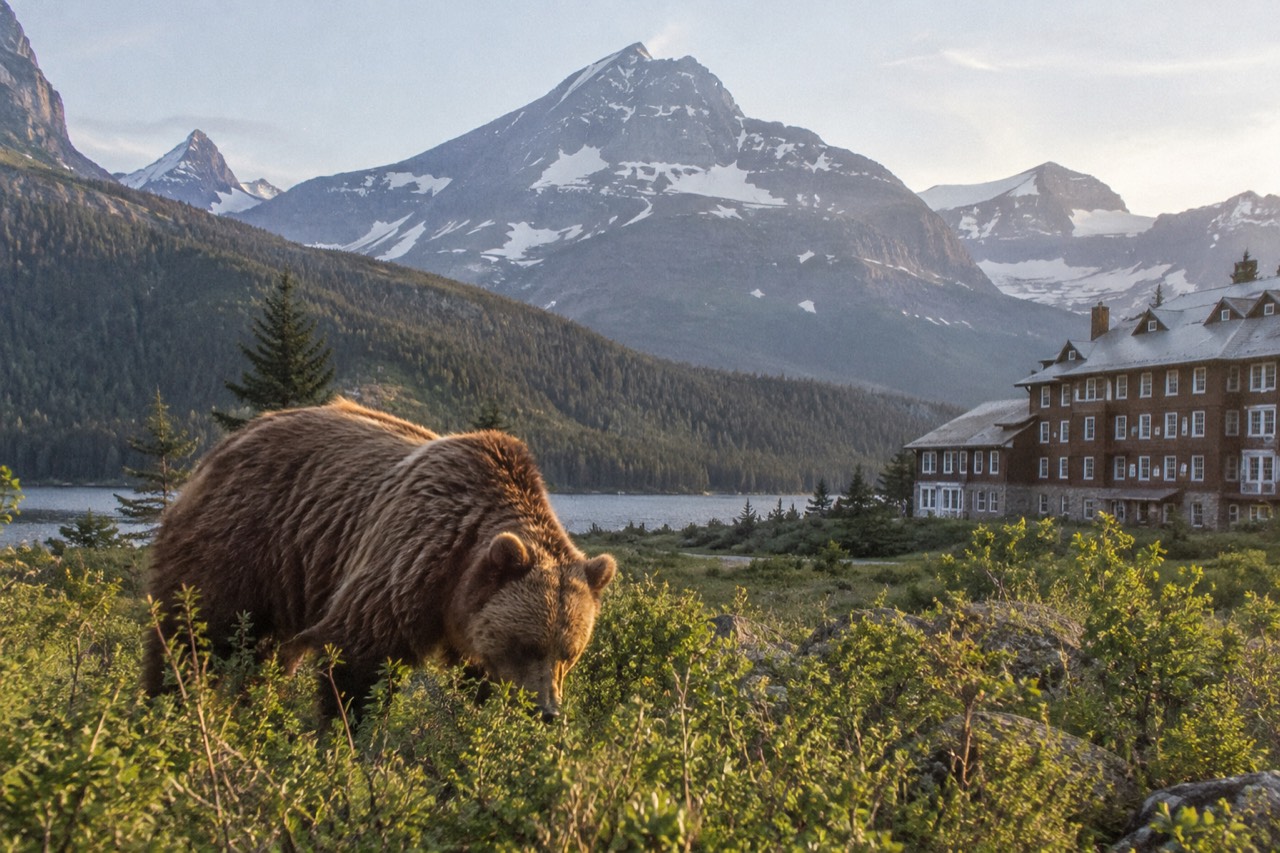
Glacier National Park sits inside one of the densest grizzly bear populations in the lower 48 states. The park itself holds an estimated 300 grizzlies according to National Park Service figures cited in April 2026 reporting, and the surrounding Northern Continental Divide Ecosystem carries more than 1,000 bears as of mid-September 2026 statements from Montana Fish, Wildlife and Parks. That combination, a small park wrapped in a large bear population, is why this question gets asked so often and answered so badly. Most replies online are folklore: either "you will definitely see one" or "you will never see one." The honest answer sits between, and it depends on things you can actually control.
This page works through the verified numbers first, then the 2026 incident record, then the behaviour that genuinely moves your odds. It also addresses the safety question honestly, because 2026 was an unusual year: it included the park's first fatal grizzly attack since 1998. That fact deserves a straight explanation rather than a buried one.
How Likely Is It To See A Grizzly Bear In Glacier National Park?
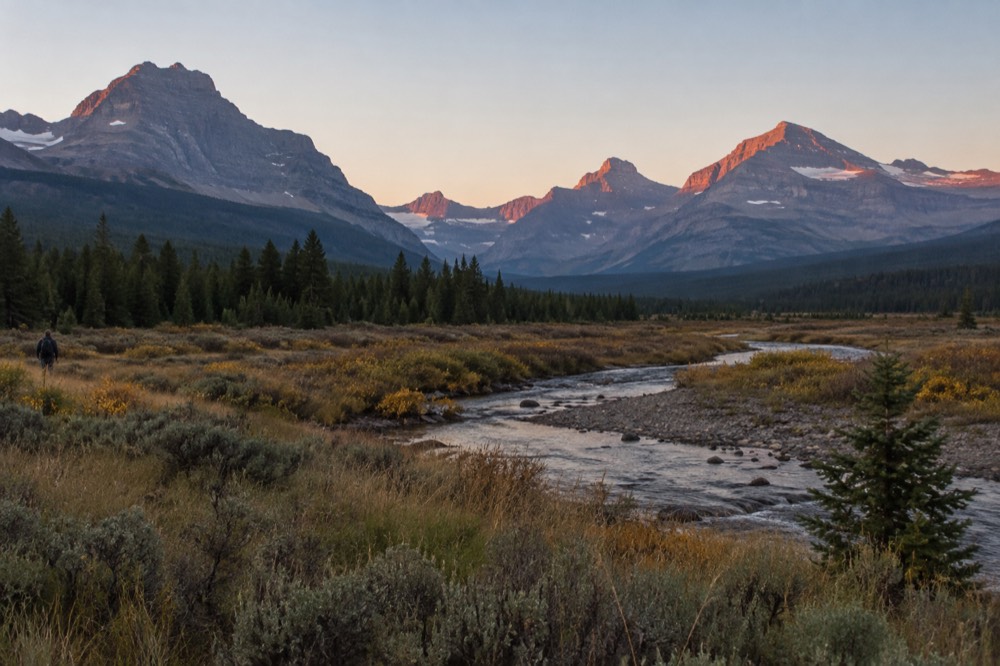
On any single day, most visitors do not see a grizzly. Roughly 300 bears share 1,013,126 acres with a park that recorded 896,386 visits in July 2026 alone, so per-visitor odds are low, but a full week with daily trail time gives many travelers a reasonable chance, especially in early morning in the Many Glacier area. Location and timing matter more than luck.
The arithmetic is worth doing once. Glacier recorded 896,386 recreation visits in July 2026, a 17.17 percent jump over July 2025 and the fourth-busiest July on record. Against that human volume stands a park-wide grizzly population estimated at 300 animals, a figure that traces to National Park Service estimates referenced in April 2026 reporting. Most of those bears spend most of their time well away from roads, in the high country and the thick west-side forest where people rarely walk.
So the realistic framing is not "likely" or "unlikely" but conditional. A family driving Going-to-the-Sun Road at midday and stopping at the paved viewpoints has a small chance, mostly of a distant bear in a meadow. A hiker doing early-morning walks in Many Glacier, the St. Mary valley or the Two Medicine area across several days has a genuinely meaningful chance, because those valleys combine open terrain, berry slopes and the river corridors bears use to move. The wildlife tours compared on this site cover where the odds concentrate, and the park's own wildlife viewing guidance fills in the rest.
What the numbers do not support is fear. A park with 3.1 million annual visits and a few dozen reported bear incidents, almost all non-injury encounters, is not a dangerous place by any statistical reading. It is a place where following a short list of rules keeps an already small risk very small.
If a guided experience on the water or on foot appeals more than a solo search, these are the trips on this site that put you inside bear habitat with a local guide beside you.
Where The Verified Numbers Come From
Glacier's park-specific estimate is roughly 300 grizzly bears, while the wider Northern Continental Divide Ecosystem holds more than 1,000. The ecosystem figure comes from Montana Fish, Wildlife and Parks statements in September 2026, and the park figure from National Park Service estimates cited in April 2026 reporting. Neither number is folklore; both are current, sourced figures.
The distinction between the two numbers matters. The Northern Continental Divide Ecosystem stretches far beyond the park boundary, covering much of northwest Montana, and its grizzly population has been growing and expanding for years. The September 2026 statements from Montana Fish, Wildlife and Parks put the figure at more than 1,000 bears in the ecosystem and its demographic monitoring area, a number that surfaced in reporting on delisting discussions. Bears move across park lines constantly, especially on the west and south boundaries, so the park population is not a closed pool.
For comparison, the park also lists 69 mammal species in its official statistics, including black bears, for which a long-standing estimate of roughly 600 animals circulates but was not confirmed in this site's verified research. That is a good example of the discipline this page follows: where a figure was not verified in a primary or trusted source, it does not get printed as fact.
| Figure | Value | Source |
|---|---|---|
| Grizzly bears inside Glacier National Park | Roughly 300 | NPS estimate cited in April 2026 reporting |
| Grizzly bears in the Northern Continental Divide Ecosystem | More than 1,000 | Montana Fish, Wildlife and Parks, September 2026 |
| Park area | 1,013,126 acres | NPS Park Information page |
| July 2026 recreation visits | 896,386 | NPS preliminary data reported September 2026 |
| 2025 total recreation visits | 3,136,557 | NPS visitor use statistics |
| Distance rule, bears and wolves | 100 yards | NPS bear safety page |
| Distance rule, all other wildlife | 25 yards | NPS safety page |
One more number worth knowing: mountain goats, the other charismatic animal visitors hope to see, declined 45 percent park-wide between 2008 and 2019 according to a USGS analysis published in Ecosphere. That study, released in January 2026, used twelve years of citizen science data. It is a reminder that "will I see wildlife" is partly a question of how the populations themselves are trending, not just where you stand.
What The 2026 Incident Record Actually Says
2026 saw one fatal grizzly attack, the park's first since 1998, plus at least one serious injury encounter and several trail closures for bear activity. Against more than two million visits through July, that record still makes injury odds vanishingly small, but it explains why bear awareness is not optional here. The details are worth knowing plainly.
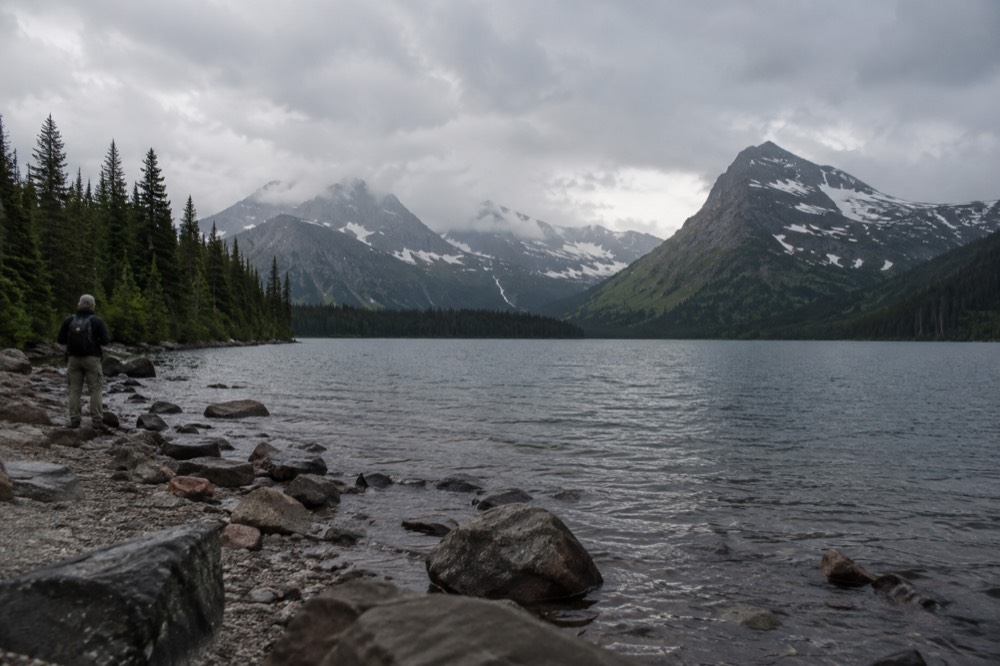
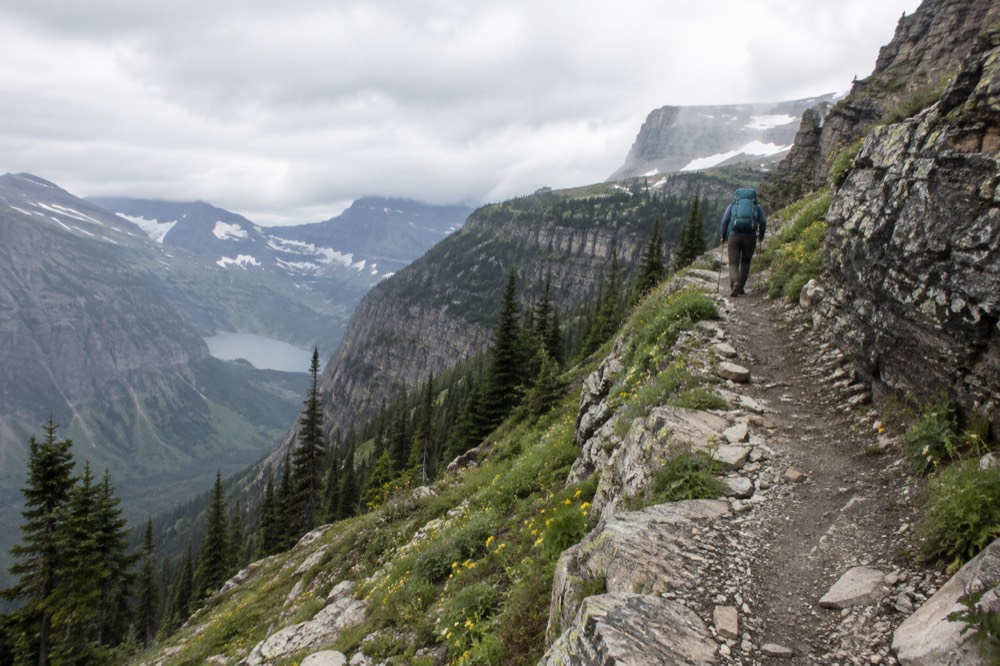
On May 3, 2026, a 33-year-old solo hiker died after a grizzly attack on the Mount Brown Lookout trail. An interagency review report published in July 2026 documented the date, location and circumstances; it was the first fatal incident in the park since 1998. Later that same month, on May 28, a grizzly charged a hiker on the Grinnell Glacier Trail near Lake Josephine and fractured her arm. And on September 13, hikers on the Highline Trail encountered a grizzly on the trail itself and climbed onto rocks above the narrow section to let it pass, an episode captured on video and posted the same day.
Read together, those three events describe the real pattern. Encounters happen on trails, in brush and forest margins, and in the narrow sections where a bear and a person cannot easily pass each other. They do not happen at Lake McDonald Lodge or the Apgar Village parking lot. The May incidents both involved hikers in the warmer months when bears are active at lower elevations; the September encounter happened at Logan Pass elevation in late season.
Trail closures are the park's main preventive tool. On September 14, 2026, the official daily conditions report listed the Gunsight Pass section from Gunsight Lake to the pass and the Red Gap Pass section from Poia Lake to the pass as closed due to bear activity. Closures like these are common in summer and they are the single best signal of where bears are concentrating: check the daily report before choosing a trail, and treat any closure as information rather than inconvenience.
The honest summary is that your odds of an injurious encounter are extremely low, your odds of a sighting are moderate with good tactics, and your odds of a close call drop sharply if you follow the rules in the park's bear safety guidance, which is worth reading in full before any hike.
The Behaviour That Changes Your Odds
Three variables dominate: time of day, habitat type and noise level. Bears are most active at dawn and dusk, they favor berry slopes, river corridors and avalanche paths, and they avoid human noise, so early, quiet walkers in those habitats see the most bears, while midday road tourists see the fewest. Every one of these is under your control.
Time of day first. A 7 a.m. trailhead start in Many Glacier is not just a parking strategy; it puts you out during the hours bears feed and move. By late morning in July, heat and human traffic push bears into cover. The same logic favors the last two hours before sunset. Midday is when the bulk of the park's July visitors were out, and midday is when almost nobody reports a bear.
Habitat second. The valleys with the best-documented sighting odds are Many Glacier, the St. Mary valley along the Going-to-the-Sun Road corridor, Two Medicine, and the river bottoms along the Flathead system on the park's western border. Open terrain helps you, too: a bear in a meadow is visible from hundreds of yards, while a bear in thick brush ten feet away is invisible. That asymmetry is why huckleberry slopes in late August are both the best viewing and the setting for most surprise encounters.
Noise third. The park's own guidance is unambiguous: make noise in brush, near streams and on blind curves, because nearly every defensive encounter begins with a surprised bear. Traveling in groups of three or more is the other habit the park recommends, and the data behind it is why ranger-led hikes run at group sizes they do. A guided walk or a raft with a dozen people on it is, statistically, one of the safest ways to be in bear country.
| Factor | Raises Your Odds | Lowers Your Odds |
|---|---|---|
| Time of day | Dawn and dusk | Midday |
| Season | Late summer berry season, spring valleys | Deep winter dormancy months |
| Location | Many Glacier, St. Mary, Two Medicine, river corridors | Paved viewpoints, developed areas |
| Group size | Three or more, making noise | Solo and silent |
| Habitat | Open meadows and slopes | Dense brush on blind trails |
| Information | Checking the daily trail report | Ignoring closure notices |
Bear spray belongs in this section because it is behaviour, not gear. The National Park Service calls it the most effective deterrent shown, requires that it be EPA-registered with 1 to 2 percent capsaicinoids, and the 2026 Superintendent's Compendium allows it for defense against aggressive wildlife while prohibiting its use as a general repellent on gear or campsites. Canadian customs accepts EPA-labelled canisters, relevant if your trip crosses into Waterton. Demonstrations run in summer, and on the 2026 Logan Pass shuttle it must be secured against accidental discharge.
Does A Guided Tour Change The Odds?
Yes, in both directions a visitor cares about: guided trips raise sighting odds, because guides know the current feeding areas and watch the habitat daily, and they lower risk, because groups are large, loud and trained in wildlife protocol. A guide cannot promise a bear, and any operator who does should be treated with suspicion.
A guide's real edge is current local knowledge. A rafting guide on the Middle Fork of the Flathead runs the same river corridor daily through a season and knows which banks the bears are working this week. A hiking guide knows which trail segments have had activity and which are closed. That knowledge decays fast, which is exactly why it is worth paying for and why a generic printed itinerary is not a substitute.
The group-size effect is the quiet safety argument. The park recommends groups of three or more and noise on trail, and a commercial trip is both by default. Add a guide who carries spray, knows the closure report and can read a bear's behavior at distance, and the risk profile of a walk changes materially without changing the experience much at all. The guided hikes overview on this site walks through what a commercial hiking day actually includes.
The Half-Day Scenic Float on the Middle Fork of the Flathead River is the natural pick on this roster for a bear-habitat day. It drifts the river that forms the park's western boundary, the kind of corridor bears use to move and feed, it runs 2 hours 30 minutes from $55 per person, and it carries a 4.9 rating across 851 reviews. It is a float, not a safari, but the odds of a riverside sighting on an early departure are real.
For a walk rather than a float, the 4-Hour Guided Nature Walk covers park terrain on foot with a guide for $70 per person, rated 4.9 across 127 reviews, and the Small-Group Scenic Float on the Flathead River offers the same river-corridor logic in a smaller boat at $91 per person, rated 5 across 34 reviews. Between them they cover the two habitats, water and trail, where a first bear sighting most often happens.
None of these trips is sold as a bear tour, and that honesty is the point. The free ranger-led hikes described in the park's program calendar are another zero-cost option: ranger groups are large, loud and led by staff who know the day's bear activity.
The Rules That Keep The Odds Small
Keep 100 yards from bears and wolves, 25 yards from all other wildlife, carry accessible bear spray, and never let an animal change its behavior because of you. Those four rules, from the park's current safety pages, are the entire legal and practical framework. Everything else is refinement.
The 100-yard rule for bears and wolves and the 25-yard rule for other wildlife were restated on the park's updated bear safety page in May 2026, and the enforcement standard is behavioral: if the animal changes what it is doing because of you, you are too close, whatever the distance. For roadside bears the instruction is specific and counterintuitive to many visitors: do not stop near one, drive at least 100 yards past before pulling over somewhere safe. Habituated roadside bears are the ones that end up removed from the park, and a traffic jam is how they get that way.
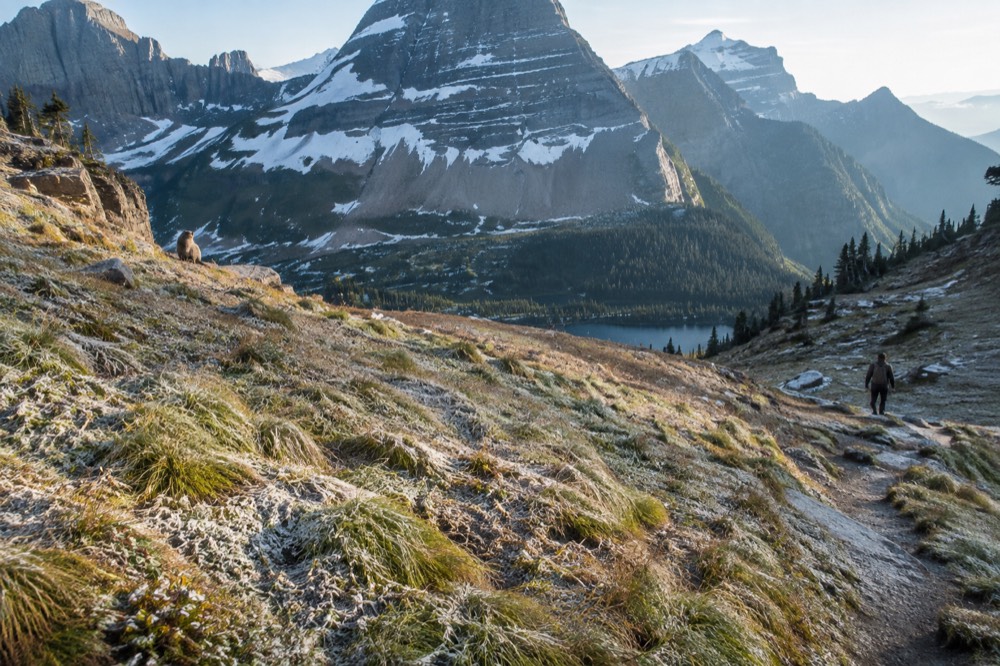
The distance rules apply to drones too, in a way: launching, landing or operating unmanned aircraft is prohibited in the park except with written superintendent approval, per the 2026 Compendium. So there is no aerial workaround for a closer look, and photographers who want bear images earn them with long lenses and patience.
Two practical notes finish the picture. First, the same daily report that lists trail closures also lists weather and road status, and in September 2026 it carried the sunrise and sunset times that define the good viewing windows. Second, if your interest in bears is part of a wider trip plan, the best time to visit question and the crowded-month comparison both shape when and where you will actually be standing in bear habitat.
Common questions about grizzly bears in Glacier National Park
How Likely Is It To See A Grizzly Bear In Glacier National Park?
Most single-day visitors do not see one, but the odds are real: roughly 300 grizzlies share the park's 1,013,126 acres. Several days of early-morning trail time in Many Glacier, the St. Mary valley or Two Medicine gives a reasonable chance, and river corridors on the western border add habitat where bears come to water.
Are grizzly bear attacks common in Glacier National Park?
No. 2026 included the park's first fatal attack since 1998 and one arm-fracture charge in May, against millions of annual visits. Injurious encounters are rare; the far more common event is a distant sighting or a trail closure for bear activity.
Where am I most likely to see a grizzly in Glacier?
Many Glacier, the St. Mary valley, Two Medicine and the Flathead river corridors on the western border have the best-documented sighting records. Open meadows and berry slopes beat dense brush for visibility, and dawn and dusk beat midday everywhere.
How close can I legally get to a bear?
Intentionally approaching or viewing bears within 100 yards is prohibited, and the rule for all other wildlife is 25 yards. The enforcement standard is behavioral: if the animal changes its behavior because of you, you are too close.
Do I need bear spray in Glacier National Park?
It is strongly recommended rather than legally required for day visitors, and the park calls it the most effective deterrent shown. It must be EPA-registered with 1 to 2 percent capsaicinoids, carried accessible, and it may be used only against aggressive wildlife, never as a repellent on gear.
Does a guided tour improve my chances of seeing a bear?
It improves both halves of the question: local guides track current feeding areas and closures daily, and a group of three or more making noise is the safest way to move through bear habitat. No honest operator promises a sighting, and the rafting and walking trips on this site are sold as habitat experiences, not bear tours.
If you are weighing a trip around this question, the practical answer is to plan for habitat, not for luck: pick a week in late summer, book a few early mornings in the right valleys, and let a guide carry the local knowledge. The float trips and guided walks compared on Glacier National Park Tour Packages cover the two habitats where sightings actually happen, and the wildlife viewing and guided hike guides on this site go deeper on each.