Best Hikes In Glacier National Park, Ranked By Access
Glacier National Park keeps 151 trails totalling 745.6 miles, and the difference between a great hike and a frustrating one is rarely the scenery. It is access: whether the trailhead sits behind a seasonal road closure, whether you can park at all in July, and whether the shortest route to the viewpoint involves buying a boat ticket.
Short answer
The best hikes in Glacier National Park are Highline Trail, Hidden Lake Overlook, Avalanche Lake, Iceberg Lake, Grinnell Glacier and Trail of the Cedars. Distances run from 0.7 to 11.8 miles. The real decision is access: Logan Pass trails need parking or a $1 shuttle ticket, and the Grinnell Glacier hike shrinks from 5.3 to 3.6 miles one way with the Many Glacier boat.
Best Hikes In Glacier National Park, Ranked By Access
Glacier National Park logged 3,136,557 recreation visits in 2025, and 47.3 percent of them arrived in July and August alone. That single statistic explains why this ranking weighs access as heavily as scenery. A trail that demands a full parking lot gamble at Logan Pass in August is a different hike from the same trail in mid-September, and a trailhead you cannot legally reach with a rental RV is not a trailhead at all, it is a reason to book a seat on something with a driver.
The park's own numbers frame the choice. There are 151 trails totalling 745.6 miles, 135 named lakes, 184 named mountains and 26 glaciers still large enough to count. No visitor walks more than a sliver of that. What follows ranks the hikes that consistently deliver, organized the way you will actually experience them: by where you start, what it costs to start there, and what can close the trail before you lace up.
Which Glacier National Park Hikes Deliver The Most Per Mile?
The strongest short-to-moderate hikes are Hidden Lake Overlook at 1.4 miles, Avalanche Lake at 2.3 miles, Iceberg Lake at 4.8 miles, and Grinnell Glacier viewpoint at 3.6 miles using the boat shortcut. Highline Trail is the park's signature walk at 7.6 miles to Granite Park Chalet. Trail of the Cedars is the accessible 0.7-mile option. Every distance below comes from the National Park Service's own trail pages.
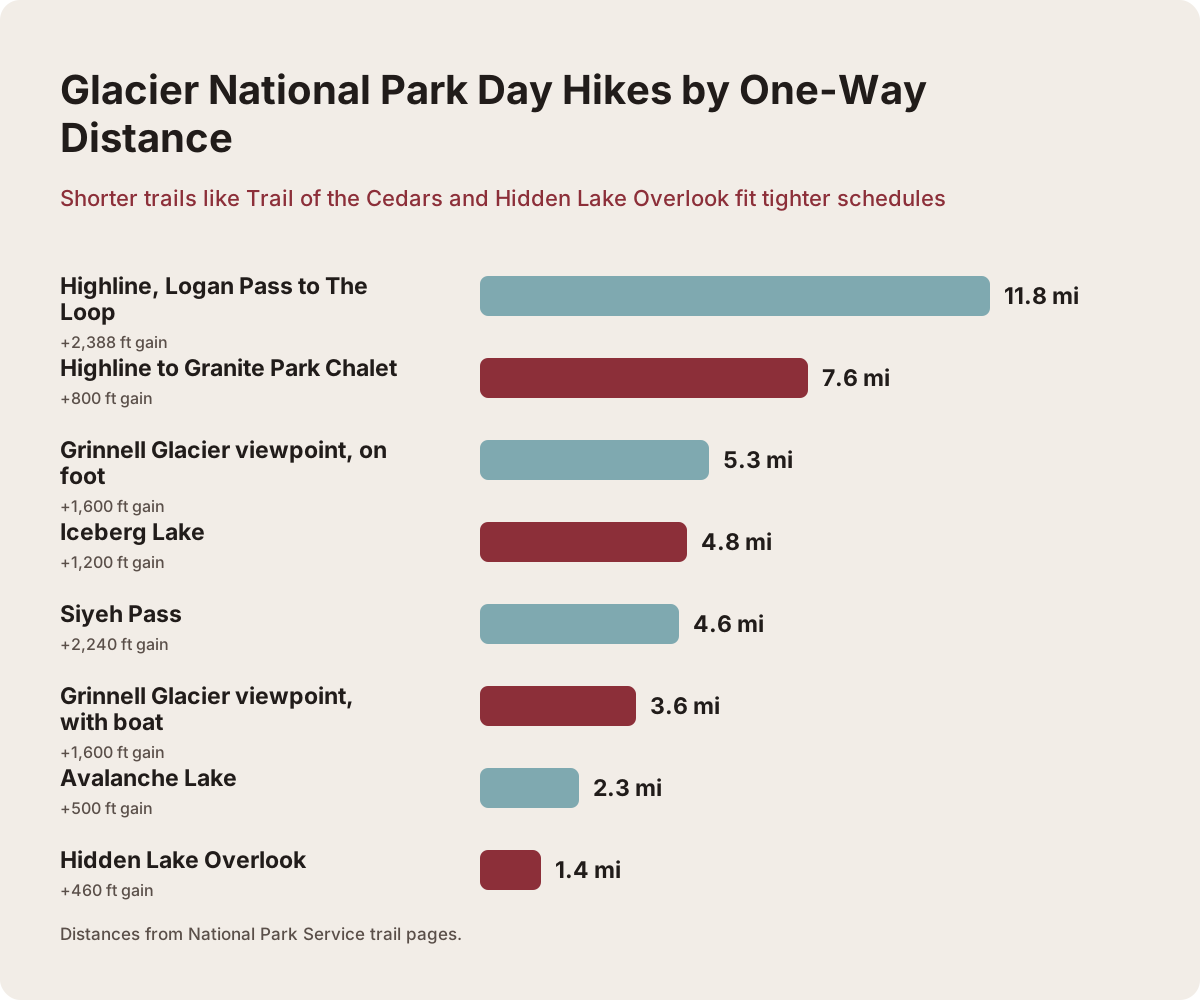
Distances are one way unless stated, and the elevation figures matter more than most visitors expect: Logan Pass sits at 6,646 feet, and the park warns that temperatures there run 10 to 15 degrees Fahrenheit cooler than West Glacier. A 500-foot climb at that altitude feels different in late June than the same climb at a valley trailhead.
| Trail | Distance one way | Elevation gain | Trailhead |
|---|---|---|---|
| Highline, Logan Pass to Granite Park Chalet | 7.6 mi | +800 ft | Logan Pass |
| Highline, Logan Pass to The Loop | 11.8 mi | +2,388 ft | Logan Pass |
| Hidden Lake Overlook | 1.4 mi | +460 ft | Logan Pass Visitor Center |
| Grinnell Glacier viewpoint, on foot | 5.3 mi | +1,600 ft | Grinnell Glacier Trailhead |
| Grinnell Glacier viewpoint, with boat | 3.6 mi | +1,600 ft | Concession boat from Many Glacier Hotel |
| Iceberg Lake | 4.8 mi | +1,200 ft | Iceberg Ptarmigan Trailhead |
| Avalanche Lake | 2.3 mi | +500 ft | Avalanche Picnic Area |
| Trail of the Cedars | 0.7 mi loop | accessible | Avalanche Picnic Area |
| St. Mary Falls | 0.8 mi | -260 ft | St. Mary Falls shuttle stop |
| Siyeh Pass | 4.6 mi | +2,240 ft | Piegan Pass Trailhead |
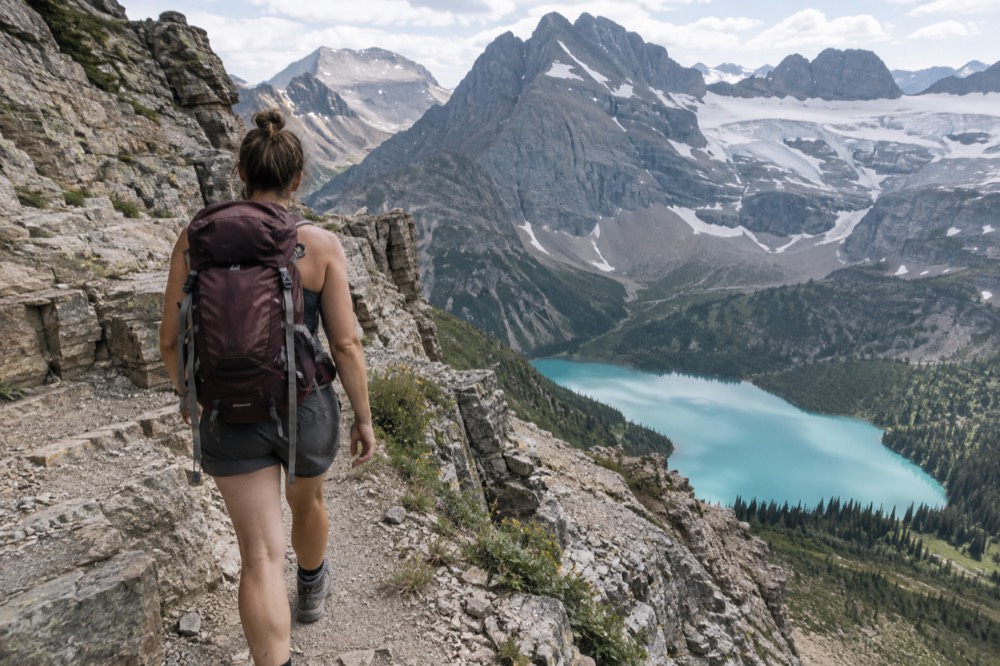
The Grinnell row is the one that changes budgets. The Many Glacier boat cuts 1.7 miles off each leg, 3.4 miles round trip, for the same 1,600 feet of climbing, and the National Park Service itself notes that tour fees apply and reservations are highly recommended. That is a paid shortcut inside a hike most people assume is free.
What Makes Logan Pass Hikes Different From Every Other Trail?
Logan Pass trails sit behind the park's tightest access controls: a three-hour parking limit enforced from July 1 through September 7, 2026, and a ticketed shuttle that cost $1 per person through Recreation.gov. Highline and Hidden Lake Overlook both start here, so in peak summer your hike begins with either a pre-dawn drive or a shuttle ticket, not with the trailhead.
The 2026 season removed vehicle reservations parkwide, which sounds like freedom until you read the fine print. In their place the park ran two pilots: the ticketed shuttle from July 1 to September 7, boarding at Apgar Visitor Center and Lake McDonald Lodge on the west and St. Mary Visitor Center and Rising Sun on the east, and the three-hour parking rule at the pass lot, enforced 24 hours a day. Park, collect a free timestamped permit from a kiosk, display it, and leave within three hours.
For hikers that parking limit is the real constraint. Highline Trail to Granite Park Chalet is 7.6 miles one way; most walkers will not finish it, enjoy the chalet, and return inside a three-hour window. The shuttle solves that, but its tickets went on sale 60 days ahead from May 2, 2026, at 8 am MDT, with remaining next-day tickets released daily at 7 pm MDT from June 30. Children aged 2 and up needed their own ticket.
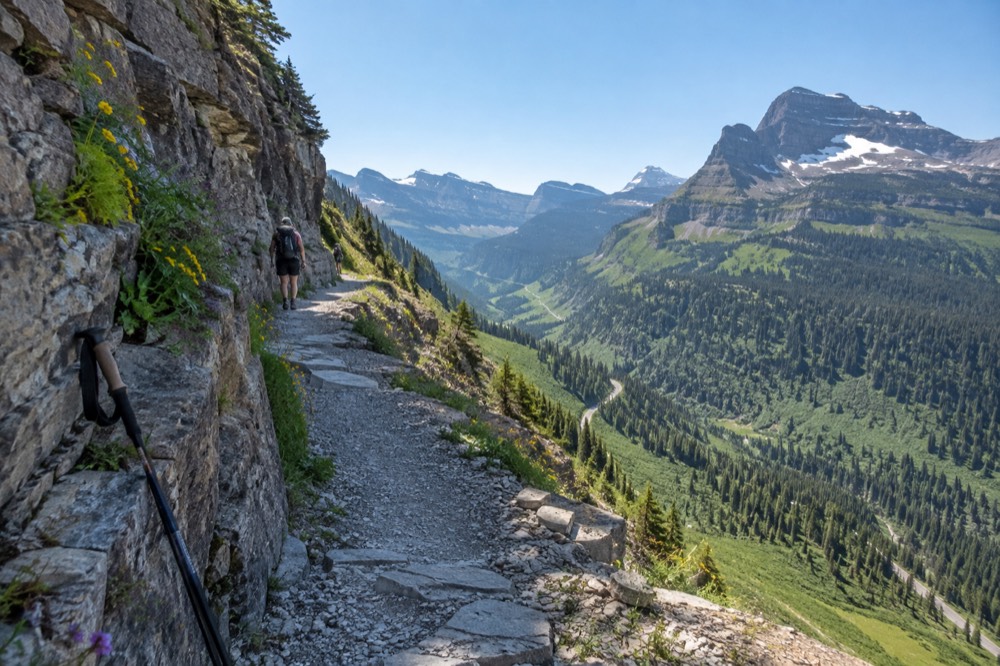
The Highline itself deserves its reputation. The trail leaves the pass and traverses the Garden Wall, including a roughly 0.3-mile ledge section typically 6 to 8 feet wide with sheer drop-offs where the National Park Service has installed a hand cable. One section of ledge, a lifetime of memory. The full route to The Loop runs 11.8 miles with 2,388 feet of climbing and 4,773 feet of descent, which makes it a one-way commitment best paired with the shuttle or a second car.
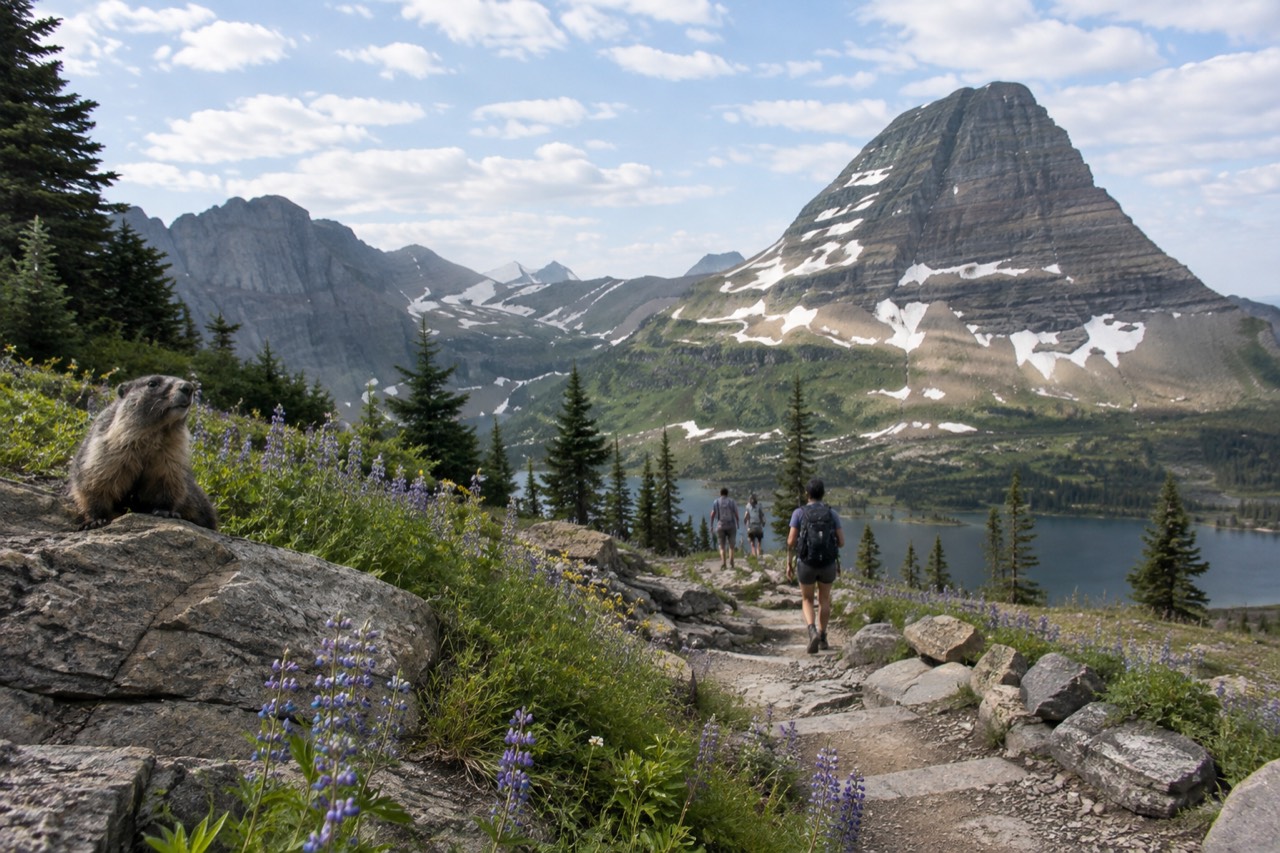
Hidden Lake Overlook is the pass's other headline: 1.4 miles and 460 feet up to a view over a lake sitting in a bowl of peaks, with mountain goats and bighorn sheep working the overlook much of the summer. The lake itself adds 1.2 miles and 780 feet down, and that descent is the one people underestimate, because coming back up at 6,646 feet is its own event.
If you would rather not manage parking math at all, a guided option removes the problem entirely.
How Do Many Glacier Hikes Work With The Boat?
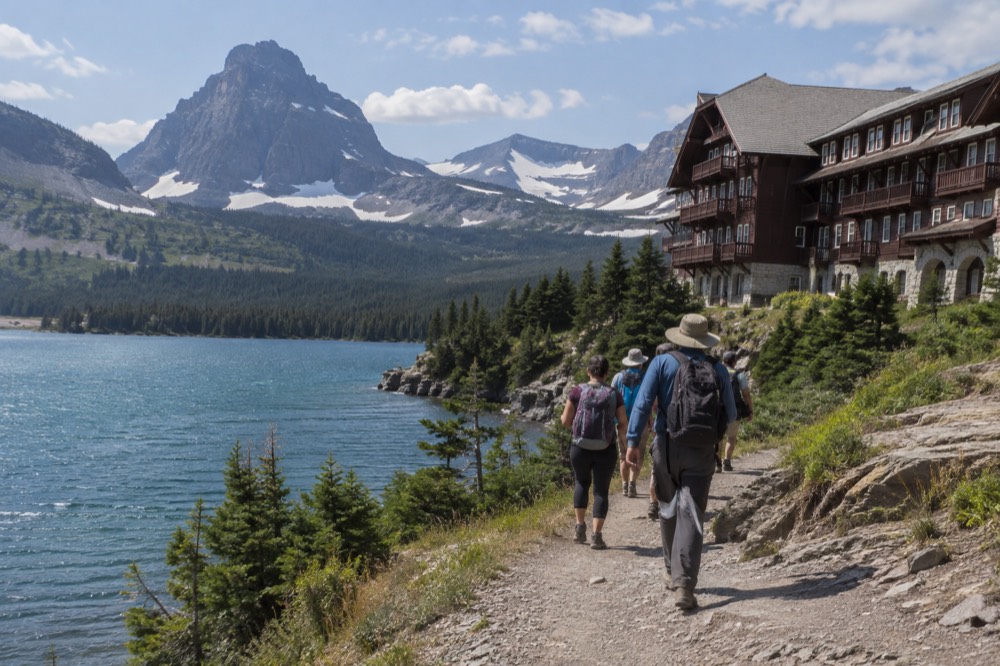
Many Glacier is the park's hiking hub, and its two marquee trails, Grinnell Glacier and Iceberg Lake, run 4.8 and 5.3 miles one way on foot. The Glacier Park Boat Company round trip across Swiftcurrent and Josephine lakes cuts the Grinnell hike to 3.6 miles each way, and 2026 adult boat tickets cost $41.70 with children 4 to 12 at $20.85.
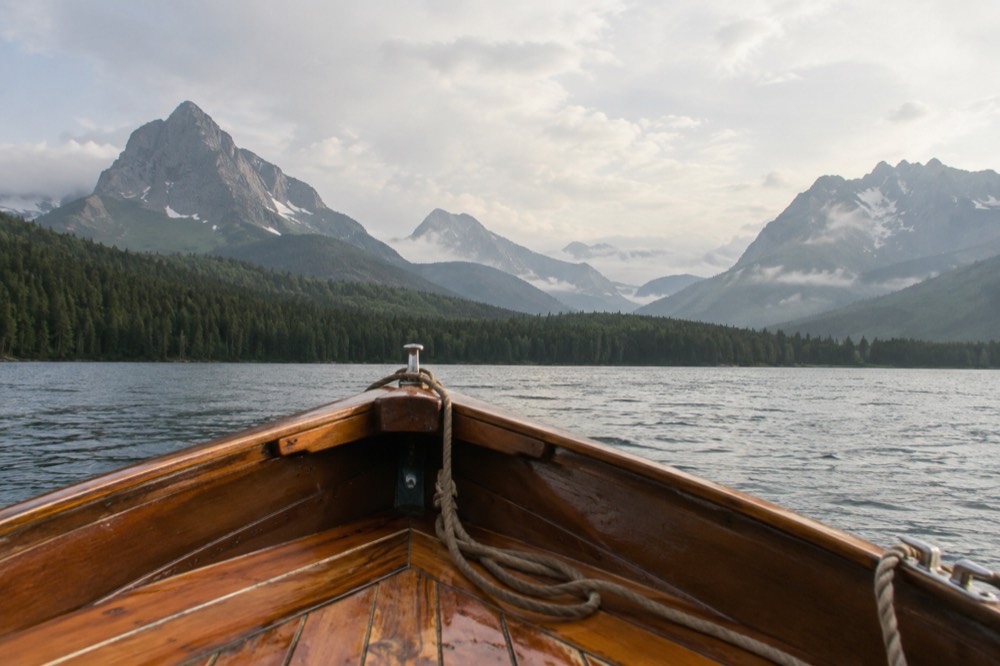
The boat is not a gimmick. It is a 1938-and-older operation run by the Burch family as a National Park Service concessioner, with vessels in the fleet dating to 1926 and four boats on the National Register of Historic Places. For hikers the arithmetic is what matters: 3.4 miles shaved off the Grinnell Glacier round trip for the same 1,600 feet of climbing, which converts a strenuous day into a moderate one and buys time for the viewpoint itself.
Iceberg Lake has no boat shortcut and needs none. It runs 4.8 miles with 1,200 feet of gain from the Iceberg Ptarmigan Trailhead, ending at a lake that holds icebergs well into summer because the cirque walls keep the sun off. Grinnell Lake, a separate and much easier destination, is 3.4 miles from the trailhead or just 1.1 miles using the same boat.
The Many Glacier valley is also where bear closures bite hardest. In 2026, ranger-led hikes on the 4.8-mile Iceberg Lake route ran free, first-come, first-served from mid-June through September, a detail worth knowing because a ranger-led group moves through bear-managed terrain with a radio and a plan.
For hikers who want the valley's story without a guide's schedule, an audio alternative covers Many Glacier at your own pace.
The Many Glacier audio tour is a new listing with no reviews yet, priced from $9.99 per group for up to 15 people, running 3 to 4 hours of narration past Lake Sherburne Dam, Apikuni Falls, Many Glacier Hotel and Swiftcurrent Lake. It will not walk the trail for you, but it turns the drive, the hotel and the lakeshore into an interpreted loop.
Which West Side Hikes Can You Reach Without Logan Pass?
The west side's best walk-up hikes are Avalanche Lake at 2.3 miles one way and Trail of the Cedars at 0.7 miles, both from the Avalanche Picnic Area on Going-to-the-Sun Road, plus the Apgar area's 0.25-mile paved path to Lake McDonald. None of them require a shuttle ticket, though the road itself closes seasonally and the picnic area fills by mid-morning in July and August.
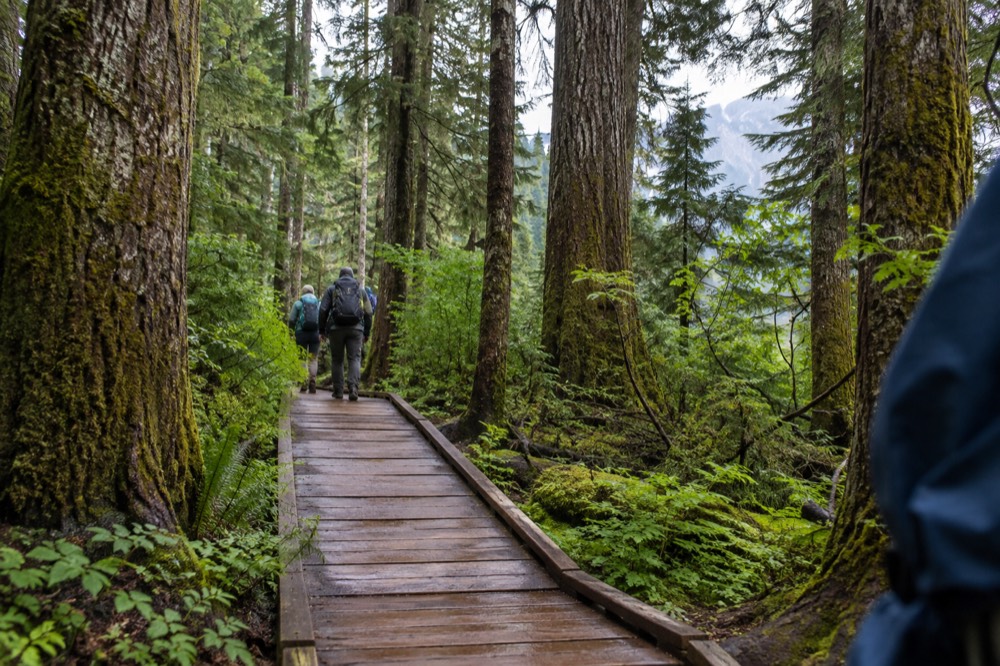
Trail of the Cedars is the park's most democratic walk: a 0.7-mile loop on wood boardwalk and sustainable polymer pavement, listed in the park's 2026 accessibility information, threading old-growth cedars above Avalanche Creek. Avalanche Lake continues from there, 500 feet up through forest to a lake sitting directly under spillover waterfalls off the Garden Wall. It is the best scenery-per-effort ratio on the west side.
One 2026 wrinkle matters: the park shuttle did not serve Avalanche Lake or the Trail of the Cedars at all that season. If you ride the shuttle to hike the west side, The Loop and Logan Pass are your stops, and Avalanche is a car destination.
For visitors who want interpretation rather than just a route, a guided walk covers this side of the park in a small-group format.
The 4-hour guided nature walk runs from $70 per person and carries a 4.9 rating across 127 reviews, with free cancellation. It is the roster's most reviewed guided hiking product and the natural fit for the Avalanche and Lake McDonald corridor, where a naturalist's bear-awareness and plant knowledge change what you notice.
What Does Hiking Look Like Outside Summer?
From November through April, Glacier is a snow park: West Glacier recorded 48.7 inches of seasonal snow through early September 2026, and snow can fall at lower elevations as early as mid-September. The guided alternatives are snowshoe treks from $230 per person with hotel pickup, and winter driving tours from $250 with lunch included. Trail of the Cedars and low valley paths remain the realistic walks.
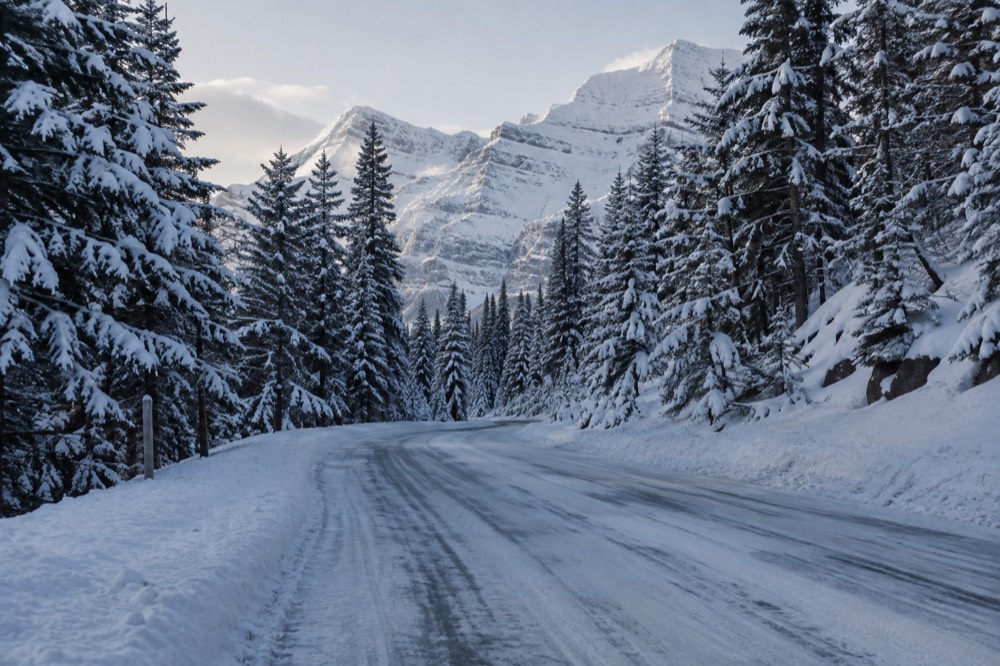
The alpine section of Going-to-the-Sun Road typically closes to vehicles by the third Monday in October, weather permitting, which strands the Logan Pass trailheads for the year. On September 14, 2026, the road between Avalanche Creek and Jackson Glacier Overlook shut temporarily for light snowfall, with snow levels down to 6,500 feet, and the Highline Trail from Logan Pass to Granite Park Chalet plus the Hidden Lake Trail closed the same day. That is a normal September, not an anomaly.
Shoulder-season hikers get real compensation for the uncertainty. September 2026 visits were running far below July's 896,386 recreation visits, the fourth-busiest July on record, and ranger programs were still running daily, including a Redrock Falls hike and a Creekside Stroll at Apgar on September 14 alone.
The guided snowshoe trek runs 5 hours from $230 per person with hotel pickup included and free cancellation, currently rated 5 across 2 reviews. A combo driving tour plus snowshoe option, also from $230, covers West Glacier and Apgar Village with a 5 rating from 3 reviews. Both suit the months when the marquee trails are buried.
How Do Trail Closures And Bear Activity Change Your Plan?
Glacier requires hikers to stay 100 yards from bears and wolves and 25 yards from all other wildlife, and bear activity closes specific trail sections, not whole valleys. On September 14, 2026, the Gunsight Pass section from Gunsight Lake and the Red Gap Pass section from Poia Lake were both closed for bear activity, while the same day's snow closed Highline and Hidden Lake. Check conditions the morning you hike.
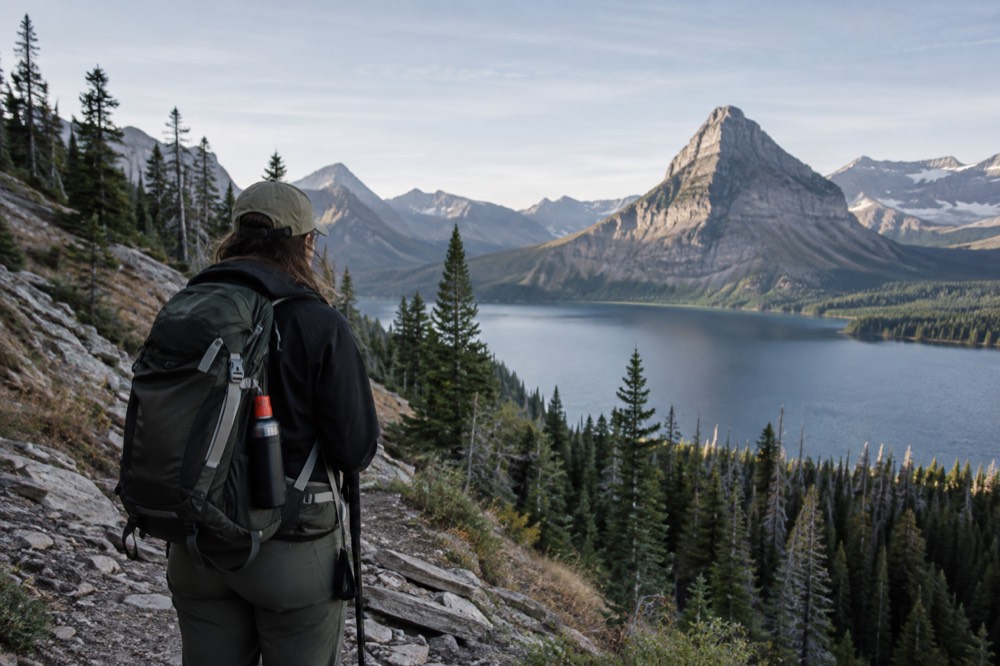
The rules are specific and worth restating exactly. Intentionally approaching or viewing bears or wolves within 100 yards is prohibited, and 25 yards applies to moose, elk, bighorn sheep, mountain goats, deer and coyotes. If the animal's behavior changes because of you, you are too close. Bear spray must be EPA-registered, carried for defense against aggressive wildlife only, and on the 2026 shuttle it had to be secured against accidental discharge.
The park's own conditions channels are the fastest source. Road status travels by text: send GNPROADS to 333111, and the park's webcams include multiple Logan Pass views. Trail and wildlife closures post through the park's daily updates and alerts pages, and the official safety page carries the wildlife distance rules verbatim.
Guided hikes absorb some of this risk administratively. Glacier Guides, the sole authorized concessioner for guided day hiking, runs a Highline Trail day hike covering 7.2 miles at $175 per adult or child aged 10 and up, and private day hikes for a flat $975 covering 1 to 5 people, with nature walks at $65 and most full-day hikes at $165 per person on its own day-hike pages.
What Does A Guided Hike Cost Versus Going Alone?
Walking Glacier's trails alone costs nothing beyond the $35 per-vehicle entrance fee, valid seven days. Guided options on this site run from $70 per person for a 4-hour nature walk to $230 for a snowshoe trek with pickup, while the concessioner's full-day guided hikes run $165 to $175 per person and private hikes $975 flat for up to five. The boat shortcut adds $41.70 per adult round trip.
| Option | Price | Duration | Notes |
|---|---|---|---|
| 4-Hour Guided Nature Walk | from $70 per person | 4 hours | 4.9 across 127 reviews, free cancellation |
| Guided Snowshoe Trek | from $230 per person | 5 hours | hotel pickup included, 5 across 2 reviews |
| Combo Driving Tour and Snowshoe Trek | from $230 per person | 5 hours | covers West Glacier and Apgar Village |
| Concessioner nature walk (direct) | $65 per adult | varies | Glacier Guides, booked direct |
| Concessioner full-day hike (direct) | $165 to $175 per person | full day | Glacier Guides, booked direct |
| Private guided hike (direct) | $975 flat, 1 to 5 people | full day | Glacier Guides, booked direct |
The comparison is honest only if you name the boundary: the concessioner's own hikes are sold direct and do not appear on this site's roster, while the nature walk, snowshoe trek and combo above are bookable here with free cancellation. The park's Many Glacier hiking page is the source for the trail distances and the boat-shortcut arithmetic used throughout this guide.
How Do You Plan Around Crowds, Parking And The Short Season?
Plan around two numbers: 47.3 percent of 2025's 3,136,557 visits landed in July and August, and the alpine road fully opened on June 22, 2026, with the typical closing around the third Monday in October. That gives roughly a 16-week core season, and every marquee trail is quieter before 8 am, after Labor Day, or on the days ranger-led hikes absorb the crowds.
The 2026 access changes cut in hikers' favor. No vehicle reservations were required anywhere, all four corridors included, and the park's own Logan Pass FAQ page names a commercial guided tour as the answer for visitors whose vehicles exceed the 21-foot length or 8-foot width limits on the alpine section. Vehicles over 10 feet tall can struggle on the westbound descent from Logan Pass to The Loop because of rock overhangs, which rules out many RVs entirely.
| Access factor | 2026 rule | What it means for hikers |
|---|---|---|
| Vehicle reservations | not required anywhere | no timed-entry booking, first come first served at lots |
| Logan Pass parking | 3-hour limit, July 1 to September 7 | fine for Hidden Lake Overlook, tight for Highline |
| Logan Pass shuttle | ticketed, $1 per person, July 1 to September 7 | buy on Recreation.gov, 60-day and next-day releases |
| Avalanche and Trail of the Cedars | no shuttle service in 2026 | drive, or ride to The Loop and walk |
| Vehicle size on alpine road | max 21 feet long, 8 feet wide | oversized vehicles need shuttle or a guided tour |
| Road season | opened June 22, 2026; closes near third Monday of October | trailheads beyond Avalanche inaccessible outside it |
Two planning moves beat everything else. First, hike the west side early, Avalanche Lake before the picnic area fills, then move to Logan Pass or Many Glacier after lunch when the shuttle and turnover have freed space. Second, use September: ranger programs ran through mid-September 2026, fall color peaked near September 27 with larch turning around October 10, and the crowds that produced July's record 896,386 visits were gone.
For a wider look at pairing trails with lodging and drive times, see how many days to spend in Glacier, the park's weather by month, and our comparison of a guided tour versus driving yourself. The full trail inventory sits on Glacier National Park Tour Packages, including the guided hiking and snowshoe roster reviewed in this guide.
Common Questions About Hiking In Glacier National Park
What Is The Hardest Hike In Glacier National Park?
The Highline Trail's full 11.8-mile run from Logan Pass to The Loop is the park's most demanding popular hike, with 2,388 feet of climbing and 4,773 feet of descent, including the exposed Garden Wall ledge section with a hand cable. Siyeh Pass, at 4.6 miles with 2,240 feet of gain, is the toughest shorter option.
Do You Need A Shuttle Ticket To Hike Hidden Lake Overlook?
Not if you park at Logan Pass, but from July 1 through September 7 the lot enforced a three-hour parking limit, which is tight for the 1.4-mile overlook hike plus goat-watching. The ticketed shuttle, $1 per person through Recreation.gov, is the stress-free alternative, with next-day tickets released at 7 pm MDT.
Is The Many Glacier Boat Worth It For The Grinnell Glacier Hike?
Arithmetically, yes. The round trip costs $41.70 per adult and cuts 3.4 miles from the hike while keeping the same 1,600 feet of climbing, converting a 10.6-mile round trip into a 7.2-mile one. Reservations are highly recommended by the park itself.
Can You Hike In Glacier National Park Without A Guide?
Yes. All 151 trails are open to independent hikers with only the standard $35 per-vehicle entrance fee. A guide adds bear-awareness, interpretation and logistics, and the park's own FAQ page recommends authorized commercial tours for visitors whose vehicles cannot legally drive the alpine road.
When Do Hiking Trails Close For The Season In Glacier?
The alpine trailheads at Logan Pass become unreachable when Going-to-the-Sun Road closes, typically around the third Monday in October. Valley trails like Trail of the Cedars stay walkable later, and snow can fall at lower elevations as early as mid-September, as it did on September 14, 2026.
Are Glacier National Park Trails Safe From Bears?
No trail is bear-free. Hikers must stay 100 yards from bears and wolves, carry EPA-registered bear spray accessible and not strapped inside a pack, and check daily closure postings. On September 14, 2026, sections of Gunsight Pass and Red Gap Pass trails were closed for bear activity.