How Many Days Do You Need To Tour Glacier National Park?
A day-count guide to Glacier National Park built on real drive times between West Glacier, St. Mary and Many Glacier, plus what each extra day actually unlocks.
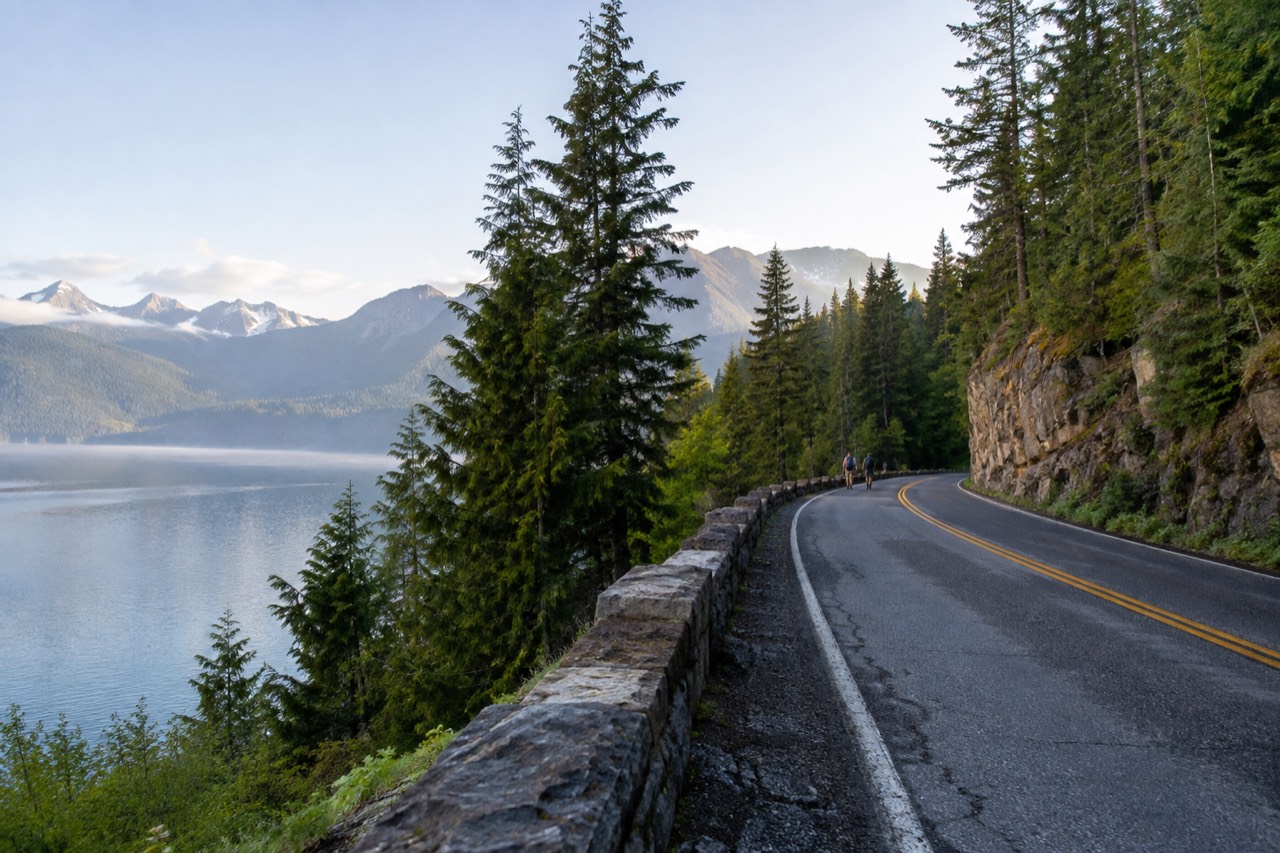
How Many Days Do You Need To Tour Glacier National Park?
Most visitors need two to three days: one for Going-to-the-Sun Road, a second for Many Glacier, and a third for what the first two crowded out. The park's three hubs sit far apart, with West Glacier to Many Glacier taking 70 miles and about 2.5 hours of driving, so each extra day buys a whole region rather than a few viewpoints. Under two days works only if you accept one corridor and heavy windshield time.
Glacier is not a compact park. It spans 1,013,126 acres, and the parts people come for are strung along a 50-mile mountain road with a second cluster of valleys two and a half hours to the northeast. The math that decides your day count is not trail mileage. It is the drive time between West Glacier, St. Mary and Many Glacier, the three hubs where almost every itinerary either succeeds or collapses.
July 2026 recorded 896,386 recreation visits, a 17 percent jump over July 2025 and the fourth-busiest July on record. In a park that crowded, the cost of a short trip is not just distance. It is time lost in parking, in shuttle lines and in the slow crawl behind rental cars on a road built for 1930s traffic. Extra days absorb that friction instead of letting it eat your only one.
There is a floor below which the trip stops making sense. A single day means you drive Going-to-the-Sun Road, stop where you can, and leave. Plenty of people do it. Almost none of them describe it as relaxed, because the Logan Pass lot enforced a three-hour parking limit from July 1 through September 7 in 2026, and the ticketed shuttle that replaced the old free service required a $1 per-person Recreation.gov ticket that sold on a rolling release schedule.
If you are weighing how to spend those scarce hours at all, the comparison piece on guided tours versus driving yourself breaks down the trade in detail. The short version for day counting: a guided driving day removes parking stress entirely, a self-drive day gives you freedom but costs you an hour or more of circling.
For a first visit with a car, this is the realistic shape of each option.
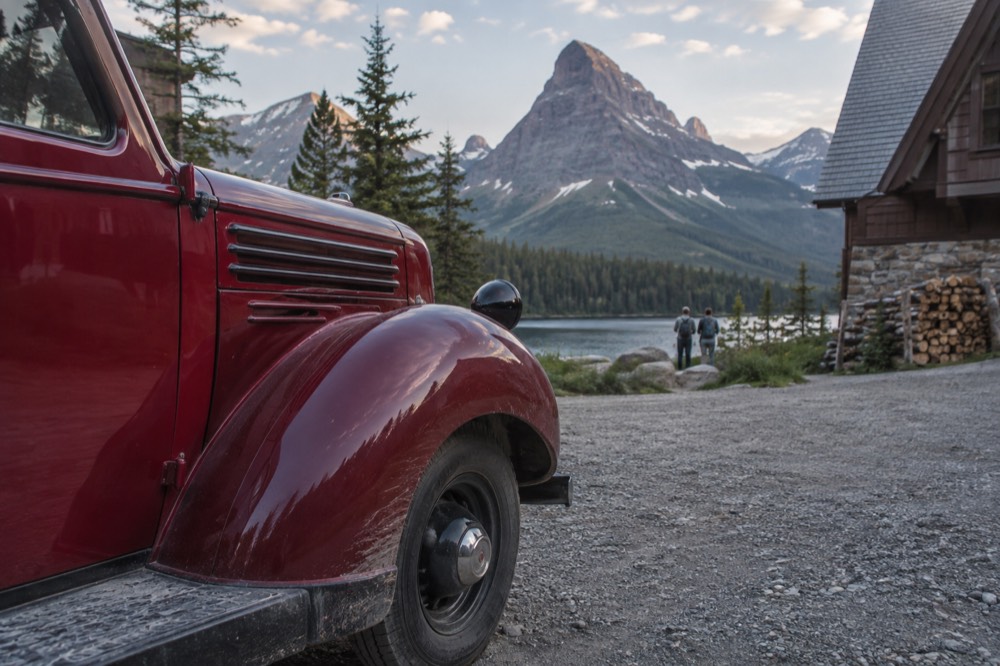
The trio below spans the three ways people actually spend a Glacier day: a guided west-side drive, a self-guided audio tour of the Sun Road, and a two-day river trip for travelers with more time than nerve for the mountain roads.
What Does Each Extra Day Unlock?
Day one unlocks Going-to-the-Sun Road and the Lake McDonald corridor, roughly two hours of pure driving plus stops. Day two adds Many Glacier, which costs 2.5 hours each way from West Glacier and is not realistic as a same-day add-on. Day three unlocks Two Medicine, the North Fork, or a slow rafting afternoon, each another hour or more of driving from the western hub.
The National Park Service publishes drive times between the hubs, and they are the backbone of every honest day-count answer. West Glacier to St. Mary via Going-to-the-Sun Road is 50 miles and about two hours without stops. West Glacier to Many Glacier is 70 miles and about 2.5 hours. St. Mary to Many Glacier shortens that to 20 miles and 40 minutes, which is why east-side lodging is the standard base for a Many Glacier day. St. Mary to Two Medicine adds 34 miles and an hour.
| Route | Distance | Typical drive time |
|---|---|---|
| West Glacier to St. Mary, via Going-to-the-Sun Road | 50 miles | 2 hours |
| West Glacier to St. Mary, via US Hwy 2 and Hwy 89 | 90 miles | 2 hours |
| West Glacier to Many Glacier | 70 miles | 2.5 hours |
| St. Mary to Many Glacier | 20 miles | 40 minutes |
| St. Mary to Two Medicine | 34 miles | 1 hour |
| West Glacier to Polebridge | 28 miles | 1 hour |
Source: the NPS directions page.
Read that table as a budget. If your day has ten usable hours and the round trip to Many Glacier consumes five of them, you get five hours of valley for the price. That is still a good trade, and Many Glacier is the valley most visitors call the park's finest, but it cannot be squeezed into the tail end of a Sun Road day. The mountains decide your schedule here, not your ambition.
One structural fact helps enormously in 2026: no vehicle reservations were required anywhere in the park, on any corridor, all season. The Going-to-the-Sun Road, Many Glacier, Two Medicine and the North Fork all dropped the timed-entry system that shaped the previous five summers. The park's own fees page confirms it. That removes a whole category of planning stress, though it also means the crowds that reservations once throttled now arrive unthrottled.
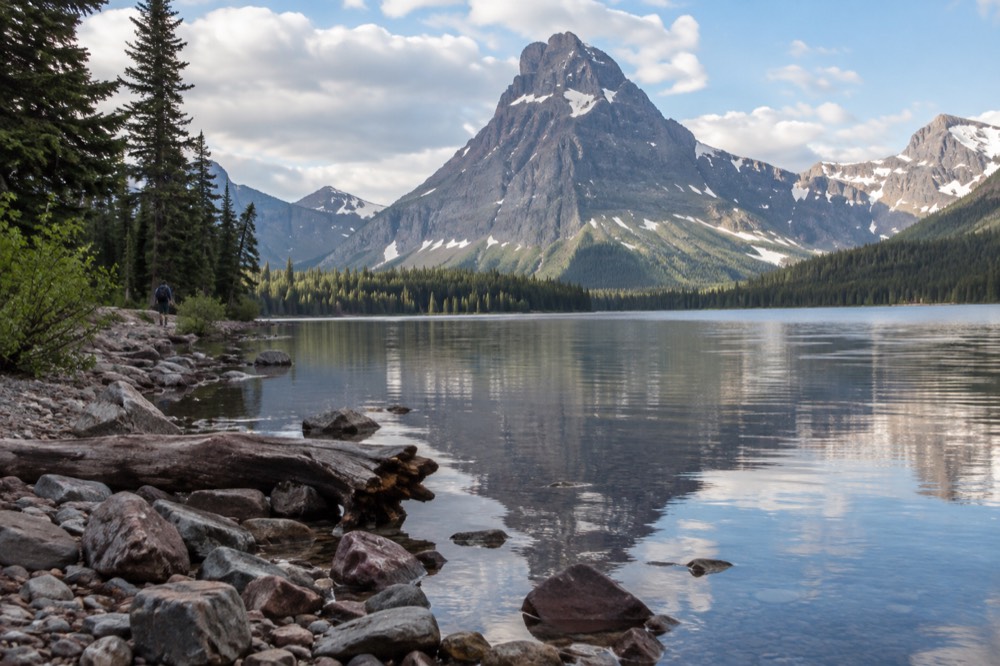
If the west-side portion of day one feels like more driving than you want, the West Side Driving Tour is the roster's cleanest answer. It runs six hours with hotel pickup and lunch included, from $250 per person, rated 4.8 across 37 reviews, and covers Apgar Village and Lake McDonald while someone else handles the wheel. It is a half-day-plus commitment, so it fits a one-day trip only if you skip the Sun Road itself, but on a two-day trip it slots neatly into an arrival afternoon.
Can You See Glacier National Park In One Day?
Yes, but only the Going-to-the-Sun Road corridor, and only if the road is fully open and you start early. One day gives you Lake McDonald, Logan Pass and the St. Mary side, with two hours of driving plus stops. It gives you nothing in Many Glacier, nothing in Two Medicine, and no buffer for a weather closure, which in September 2026 closed the alpine section for a day.
The single-day visitor faces a hard geometry problem. The road itself is the attraction, 50 miles of it, and its alpine section is typically open only from late June or early July until around the third Monday in October. Arrive in May and the alpine section is still closed, plow crews were only reaching the Big Drift in mid-May 2026. Arrive in late September and a light snowfall can shut the road between Avalanche Creek and Jackson Glacier Overlook without warning, exactly as it did on September 14, 2026.
That is the argument against one day in its plainest form. You are betting the whole trip on a road that can close in an afternoon. The 2026 shuttle page shows the alternative access mechanics: a ticketed shuttle to Logan Pass from Apgar or St. Mary visitor centers, a $1 processing fee per ticket, running July 1 through September 7. Useful, but a shuttle day is still a single-corridor day.
For one-day travelers who want interpretation rather than logistics, the audio touring apps are the cheapest upgrade on the roster. The Going-to-the-Sun Road audio tour costs from $9.99 per group of up to 15 and runs the full road with confirmed stops from West Glacier through Lake McDonald Lodge, Avalanche Lake, Logan Pass, Wild Goose Island and St. Mary. It is rated 4 across 27 reviews. It does not remove the parking problem, but it turns the drive itself into the tour.
If reading all this has you leaning toward two days instead of one, that instinct is usually right, and the west-side guided option is the one that frees the most schedule. It carries free cancellation, so booking it early costs nothing if your day count changes.
Is Two Days Enough For Going-To-The-Sun Road And Many Glacier?
Two days is the minimum honest answer for most first visits. Day one covers Going-to-the-Sun Road end to end, day two covers Many Glacier, and the split works because the two hubs sit 2.5 driving hours apart. Two days still means choosing between Two Medicine, the North Fork and a rafting afternoon, all of which get cut.
This is the configuration most itineraries should aim at, and the reason is simple arithmetic. A Sun Road day and a Many Glacier day each want eight to ten hours including drives, and stacking them in one day means five hours of driving between hubs before you have walked anywhere. Split across two days, each morning starts at the trailhead instead of on the highway. The rest of the planning pages sit on Glacier National Park Tour Packages.
The east-side base question matters at exactly this point. Staying in St. Mary or Many Glacier itself puts you 40 minutes from the Many Glacier trailheads, while a West Glacier base means repeating the 2.5-hour drive. The site's comparison of the two sides covers the trade in depth, and the crowd data backs the east-side case: July and August 2025 alone accounted for 1,483,827 visits, 47.3 percent of the entire year, and most of that pressure lands on the west-side corridor first.
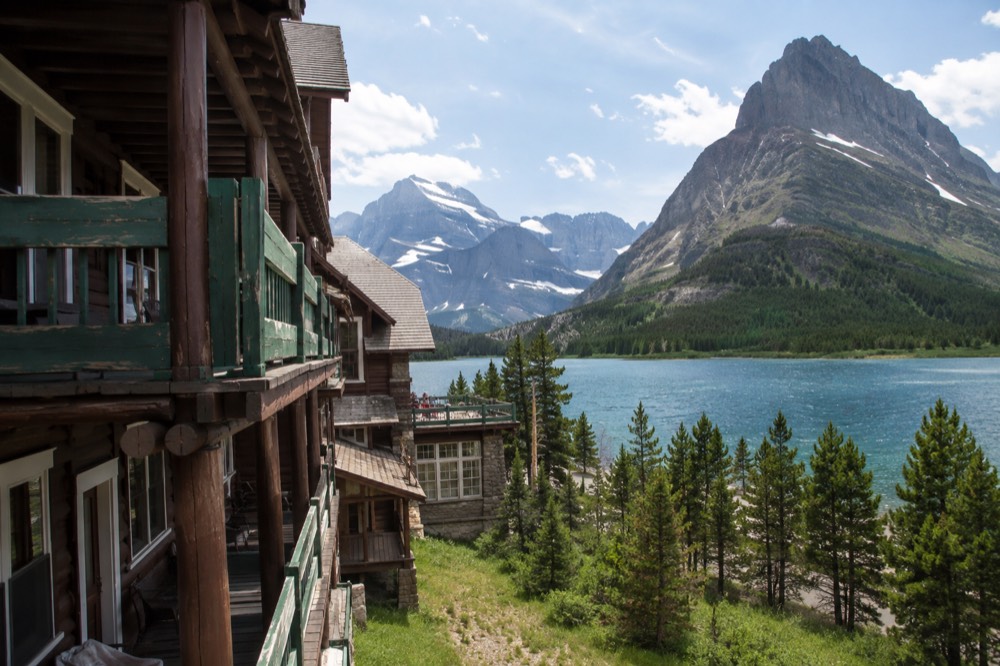
Two days also gives you a fallback. If the alpine road closes on day one, you swap in the Many Glacier day and drive the Sun Road on day two when it reopens. One-day travelers have no such insurance. That alone justifies the second night for anyone flying a long way into Glacier Park International Airport, which sits about 30 miles west of the West Entrance.
What Does Three Days Add?
Three days adds Two Medicine or the North Fork as a third region, or a slow-water afternoon on the Flathead River, and it is the point where the trip stops feeling like a checklist. The third day also absorbs the park's biggest hidden cost, which is that 83.3 percent of 2025 visitation arrived June through September, meaning every hub you visit is shared with thousands of same-day drivers.
Day three is where the character of the trip changes. The first two days are corridor days: famous road, famous valley. The third can be a quiet one. Two Medicine sits 34 miles and an hour from St. Mary, with the accessible Running Eagle Falls trail and boat tours on the lake. The North Fork, 28 miles and an hour from West Glacier to Polebridge, is the park's least developed corner, reached on a gravel road past the Polebridge Mercantile toward Bowman and Kintla Lakes.
The water option deserves the third-day slot more than most guides admit. Half-day rafting on the Middle Fork of the Flathead runs 2 hours 30 minutes from $55 per person, rated 4.9 across 1959 reviews, and the scenic float version carries 4.9 across 851 reviews at the same price. Both border the park's western boundary, both take a half day, and neither competes with your road time. The Middle Fork is a Wild and Scenic River, designated in 1976 along with 219 miles of the Flathead system.
Three days is also where guided interpretation starts earning its keep, because you finally have slack in the schedule. A four-hour guided nature walk from $70 per person, rated 4.9 across 127 reviews, fits a third morning without sacrificing a hub. The site's guide to itineraries for Glacier National Park maps full three-day and four-day sequences if you want the day-by-day version.
When Do Four Or More Days Start Paying Off?
Four days pay off when you want a multi-day river trip, a guided hike like the Highline Trail, or an overnight at a chalet, since each consumes a full day on its own. Beyond four days the returns flatten unless you are backpacking, because the park has three hub regions and you have now seen all of them. The wilderness permit system, $10 fee plus $7 per person per night, is where longer trips really go.
The two-day Middle Fork rafting adventure is the clearest four-day argument on the roster. It costs from $647.93 per person with meals included, currently carrying a single review and no established rating yet, and it consumes two days by design. Pair it with a Sun Road day and a Many Glacier day and you have a four-day trip that touches road, valley and river without a wasted morning. That is a genuinely different Glacier from the checklist version.
Guided hiking works the same way. Glacier Guides, the park's authorized hiking concessioner, runs a 7.2-mile Highline Trail day hike at $175 per person, and the Highline is a full-day commitment from Logan Pass. Private guided day hikes run $975 flat for one to five people. Neither fits a compressed two-day trip well, because a tired hiker does not enjoy a 2.5-hour drive to Many Glacier the next morning.
Beyond that, the honest ceiling is set by the backcountry. The park holds 151 trails totalling 745.6 miles and 65 backcountry campgrounds, and overnight trips need a wilderness permit with 70 percent of summer sites reservable in advance through lotteries held March 1 and March 15. If your fourth or fifth day is not a backpacking day, you are likely repeating ground, and the better move is usually a second park or a rest day in Whitefish.
For help deciding how the pieces fit, the site's breakdown of how many days to spend in Glacier National Park covers the same question from the planning-guide angle, including where to cut when you have fewer days than you want.
Whichever count you land on, these three cover the guided west side, the self-guided road and the two-day river trip, the three commitments that most reshape a Glacier day count.
Common Questions About Days Needed To Tour Glacier National Park
How Many Days Do You Need To Tour Glacier National Park?
Two to three days for most first visits. One day covers only Going-to-the-Sun Road, two days split the road and Many Glacier across separate days, and a third day adds Two Medicine, the North Fork or a rafting afternoon without the rush.
Can You Drive Going-To-The-Sun Road And Visit Many Glacier On The Same Day?
Technically yes, but it means about five hours of driving between hubs on top of the Sun Road's own two hours. Most travelers who try it end up seeing both corridors from the car. Splitting them across two days is the standard advice.
Is One Day At Glacier National Park Worth It?
It is, if the alpine road is open and you start early. You get the 50-mile drive, Logan Pass and Lake McDonald. Accept that Many Glacier, Two Medicine and any real hiking are out, and watch the weather, since a single snowfall can close the alpine section for a day.
Do I Need A Vehicle Reservation For Going-To-The-Sun Road In 2026?
No. Vehicle reservations were not required anywhere in the park for the 2026 season, on any corridor. In their place the park ran a ticketed Logan Pass shuttle with a $1 per-ticket fee and a three-hour parking limit at the pass from July 1 through September 7.
Which Side Of The Park Should I Stay On For A Short Trip?
For two days or fewer, many travelers split nights between the west side and St. Mary or Many Glacier, since St. Mary sits just 40 minutes from the Many Glacier trailheads. A single West Glacier base is simpler but adds a 2.5-hour drive to every east-side day.