What Is The Prettiest Hike In Glacier National Park?
Three trails for three fitness levels, Highline, Avalanche Lake and Grinnell Glacier, and what each one really costs in access, parking and season, not just in miles.
What Is The Prettiest Hike In Glacier National Park?
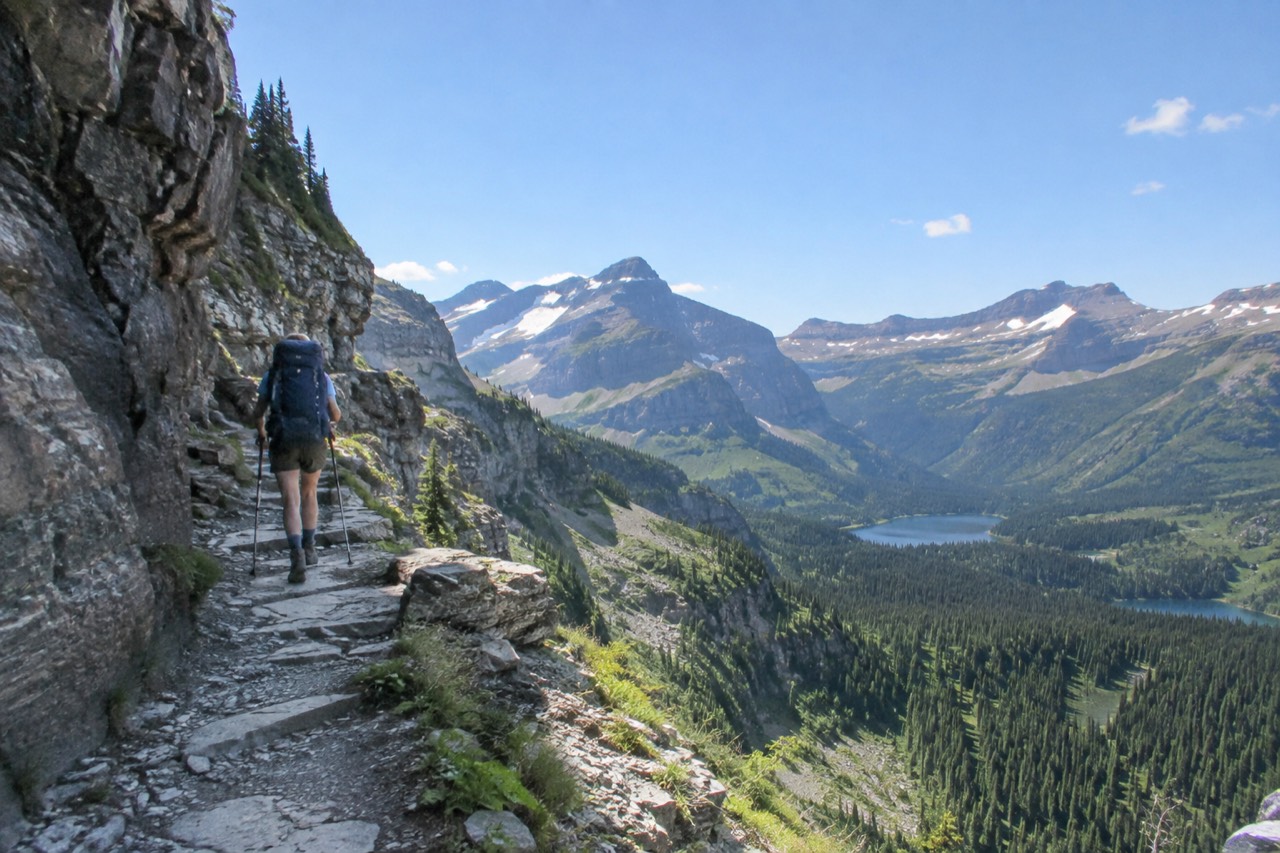
The prettiest hike in Glacier National Park is the Highline Trail from Logan Pass, 7.6 miles one way to Granite Park Chalet with only 800 feet of climbing, because it spends its whole length on the Garden Wall above valleys most trails never reach. If that is too much, Avalanche Lake, 2.3 miles one way with 500 feet of gain, is the prettiest short option, and Grinnell Glacier, 5.3 miles with 1,600 feet, is the prettiest payoff.
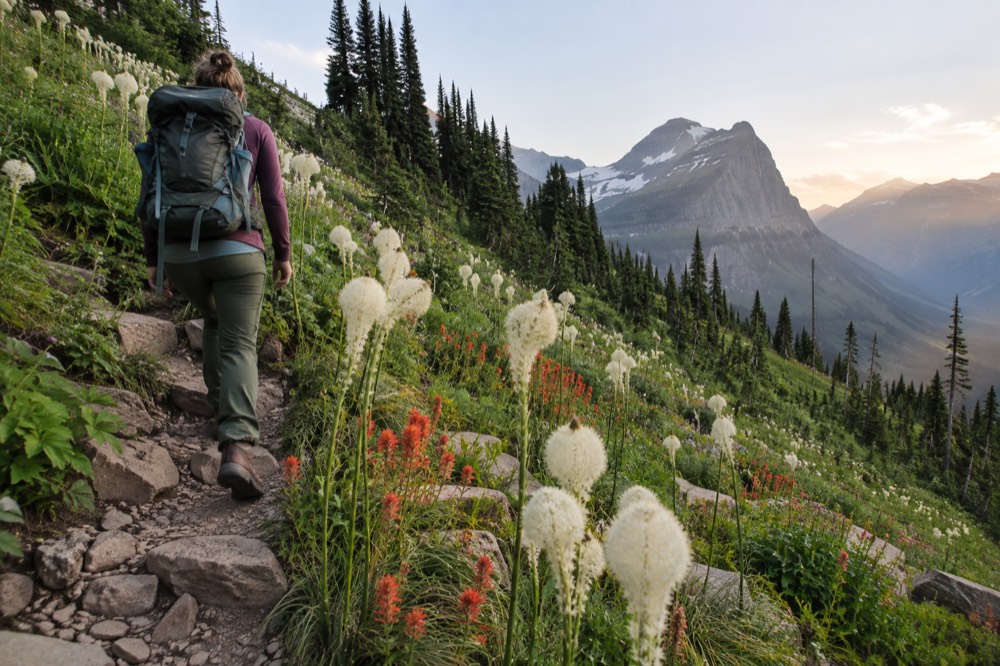
Those three trails answer the question for three different bodies and three different days, which is why no single honest answer exists. The park maintains 151 trails totalling 745.6 miles, so the field of contenders is enormous, but the same handful of names comes up in ranger conversations and trip reports again and again. The Highline wins on sustained drama. Avalanche Lake wins on effort-to-reward ratio. Grinnell Glacier wins on the thing most visitors come to see: ice, water and rock stacked in one frame.
There is a catch, and it is the reason this article spends as much time on logistics as on scenery. The prettiest trail in the park is also the hardest one to reach. The Highline starts at Logan Pass, 6,646 feet up on Going-to-the-Sun Road, where parking is scarce, the 2026 season brought a three-hour limit enforced from July 1 through September 7, and the trail itself stays closed by snow well into July most years. In 2026 the Highline segment from Logan Pass to Granite Park Chalet was closed on September 14 after light snowfall at the pass. Beauty in Glacier has a season, a parking problem and a shuttle schedule attached to it, and any list that ignores those is a fantasy itinerary.
This site, Glacier National Park Tour Packages, compares the guided and self-guided ways to reach these trails, and the honest answer includes which of them you can realistically do on the day you are standing there.
Why The Highline Trail Wins On Pure Scenery
The Highline Trail is the prettiest because it runs 7.6 miles along the Garden Wall at roughly eye level with the peaks, crossing alpine meadows and arriving at Granite Park Chalet with almost no elevation change relative to what it delivers, about 800 feet of gain over the full section. Few trails anywhere let a moderately fit walker spend four hours above the trees without a serious climb.
The numbers tell the story. From the Logan Pass trailhead to Granite Park Chalet the trail covers 7.6 miles with 800 feet of gain, which is gentle by Glacier standards. The full continuation down to The Loop stretches the day to 11.8 miles with 2,388 feet up and 4,773 feet down, and that descent is what breaks most people's knees, not the climb. The famous section along the Garden Wall includes a roughly 0.3-mile ledge stretch, typically 6 to 8 feet wide with sheer drop-offs, where the National Park Service has installed a hand cable for safety. Hikers who are comfortable with exposure consider it the trail's signature moment. Hikers who are not should know it exists before they commit.
Wildlife is part of the scenery here. The trail crosses habitat for mountain goats, bighorn sheep and both bear species, and the National Park Service requires staying 100 yards from bears and wolves and 25 yards from all other wildlife. On September 13, 2026, hikers on the Highline encountered a grizzly on the trail and climbed onto rocks above the narrow section to let it pass, a reminder that this is a wild corridor, not a theme park. Carry bear spray somewhere accessible and know how to use it; rangers demonstrate its use in summer. The relevant rules are on the park's bear safety page.
Access is the tax on all this beauty. Logan Pass parking filled daily through the 2026 season, and the three-hour limit from July 1 to September 7 made the classic point-to-point hike, up one trail and down another, impossible from a single parked car. The 2026 replacement was a ticketed shuttle: $1 per ticket through Recreation.gov, running July 1 through September 7, boarding at Apgar Visitor Center and Lake McDonald Lodge on the west and St. Mary Visitor Center and Rising Sun on the east. A hiker wanting the full Highline day either secured shuttle tickets in advance, started before dawn, or joined a guided hike with transport arranged. Glacier Guides, the park's authorized hiking concessioner, runs a guided Highline day hike covering 7.2 miles for $175 per adult or child age 10 and up, with departures July 7 through September 29.
Avalanche Lake And Trail Of The Cedars: The Easy Answer
For most visitors, the prettiest hike they will actually complete is Avalanche Lake, 2.3 miles one way with 500 feet of gain through cedar forest to a lake ringed by waterfalls, reached from the Avalanche Picnic Area on Going-to-the-Sun Road. It delivers a genuine alpine payoff for about two hours of walking, and it sits next to an accessible loop so the whole family gets something.
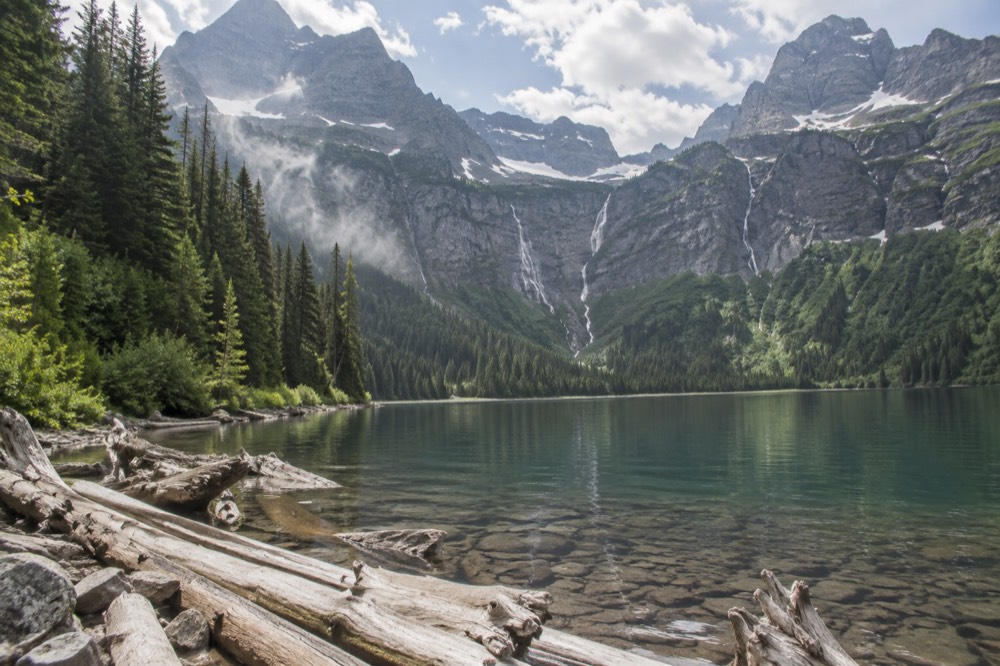
The walk in is part of the beauty. The Trail of the Cedars, a 0.7-mile loop through old-growth western red cedars, is listed by the park as accessible, with a surface of wood boardwalk and polymer pavement, and it connects directly to the Avalanche Lake trailhead. Families with strollers or wheelchair users can do the loop, see the gorge and turn back, while stronger walkers continue to the lake. The lake itself sits in a steep basin where multiple waterfalls pour off the headwall in early season; by August some shrink, but the setting stays one of the most photographed in the park.
The honest cost of this trail is not effort, it is crowds and access. The Avalanche corridor is one of the busiest in Glacier, precisely because it is this good and this easy. In 2026 there was a specific access problem: the park's ticketed shuttle did not serve Avalanche Lake or the Trail of the Cedars at all, so reaching the trailhead meant driving Going-to-the-Sun Road yourself, riding a commercial tour, or cycling. Vehicles longer than 21 feet including bumpers, or wider than 8 feet including mirrors, are prohibited on the alpine section between Avalanche Creek and Rising Sun, which rules out most RVs and rented box vans entirely. The park itself says the answer for oversized vehicles is either a shuttle ticket or a guided tour with an authorized commercial operator.
That is the real decision point, and it is worth pausing on. A driver in a standard car can reach Avalanche in July if they arrive early or accept a longer walk from overflow parking. A driver in a 25-foot rental cannot legally drive the segment at all. For the second traveler, a guided option is not a luxury, it is the only road access. The 4-Hour Guided Nature Walk, 4.9 across 127 reviews and from $70 per person, includes a guided trail experience with the naturalist choosing the route, which in summer is very often a west-side classic like this one.
Grinnell Glacier And Iceberg Lake: The Many Glacier Contenders
The Many Glacier valley holds the two trails with the biggest single rewards in the park: Grinnell Glacier, 5.3 miles one way with 1,600 feet of gain to a viewpoint over ice, or 3.6 miles using the concession boat, and Iceberg Lake, 4.8 miles one way with 1,200 feet of gain to a turquoise lake under the cliffs. If prettiest means the view that makes you stop talking, one of these is probably it.
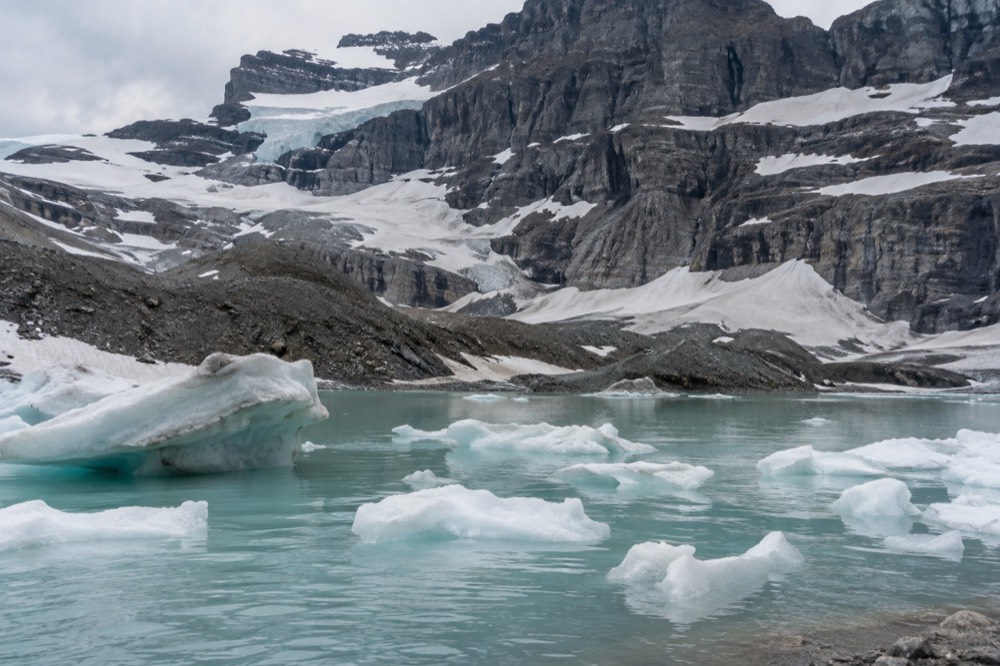
Grinnell Glacier is the park's marquee sightseeing hike because it ends at a named glacier, one of only 26 in the park still larger than the 25-acre threshold. The National Park Service lists the full trail at 5.3 miles one way from the trailhead, or 3.6 miles one way when hikers take the concession boat across Swiftcurrent and Josephine Lakes from Many Glacier Hotel. The boat saves about 1.7 miles each leg, 3.4 miles round trip, while keeping the same 1,600 feet of climbing, which is why reservations for it are highly recommended. The boat is run by Glacier Park Boat Company, the park's concessioner since 1938, and it cannot be booked through this site; it sells direct.
Iceberg Lake is the quieter sibling. The trail runs 4.8 miles with 1,200 feet of gain from the Iceberg Ptarmigan Trailhead, crossing meadows famous for wildflowers in July before reaching a lake that often holds actual icebergs into late summer. Both trails sit in prime bear habitat, and in 2026 sections of the valley saw closures for bear activity, including the Gunsight Pass and Red Gap Pass sections on September 14. Check current conditions before committing to a full day here, because wildlife closures in Many Glacier are routine and enforced.
Access to Many Glacier is its own project. The valley is 70 miles and about 2.5 hours from West Glacier, so most hikers stay in East Glacier, St. Mary or Many Glacier itself to be near the trailhead. Parking at the Many Glacier trailheads fills very early in July and August, and the park's ticketed shuttle did not serve this valley either in 2026. The practical pattern for a day here is simple: be at the trailhead before 7 a.m., or book lodging inside the valley and walk from your door, or join a guided hike with transport included. Glacier Guides offers private guided day hikes for a flat $975 covering one to five people, available late May through late September, which for a group of four or five in-park hikers is competitive with driving and parking separately.
What Each Trail Costs In Access, Not Just Miles
Every prettiest-hike candidate in Glacier carries a second price tag beyond its mileage: a season window, a parking rule and a drive. The Highline needs a shuttle ticket or a pre-dawn start, Avalanche Lake needs a car legally allowed on the alpine road, and the Many Glacier trails need a long drive and an early arrival. The table below puts the three head to head.
| Trail | Distance one way | Elevation gain | Trailhead access | The real cost |
|---|---|---|---|---|
| Highline to Granite Park Chalet | 7.6 mi | 800 ft | Logan Pass, on Going-to-the-Sun Road | 3-hour parking limit July 1 to Sept 7, 2026; $1 ticketed shuttle or guided transport; ledge section with hand cable |
| Avalanche Lake | 2.3 mi | 500 ft | Avalanche Picnic Area, Going-to-the-Sun Road | No shuttle service in 2026; vehicles over 21 ft or 8 ft wide banned on the alpine section; heavy midday crowds |
| Grinnell Glacier viewpoint | 5.3 mi, or 3.6 mi with boat | 1,600 ft | Many Glacier, 70 mi from West Glacier | Long drive, early parking, optional $41.70 round-trip boat (adult) booked direct |
| Iceberg Lake | 4.8 mi | 1,200 ft | Iceberg Ptarmigan Trailhead, Many Glacier | Same valley access as Grinnell; routine seasonal bear closures |
Read the last column before the mileage column. A 2.3-mile hike that requires a 5 a.m. start to find parking is harder, in planning terms, than a 7.6-mile hike from a shuttle drop-off. The park's own guidance on distances and elevations lives on its Many Glacier day hikes page, and the Going-to-the-Sun Road restrictions are on the road information page.
One more access note that most lists skip: 2026 was the first year in five with no vehicle reservations required anywhere in the park, on any corridor. That made spontaneous entry possible again, but it did not create parking. The lots at Logan Pass and the Avalanche corridor still filled, and the three-hour Logan Pass limit existed precisely because of it. The scarcity moved from the reservation screen to the pavement.
Should You Hike These Trails Alone Or With A Guide?
Most fit hikers can do Avalanche Lake or Iceberg Lake alone with early starts and bear spray; the Highline and Grinnell Glacier reward a guide if you want the point-to-point version, want wildlife and geology interpreted, or cannot legally drive your vehicle to the trailhead. A guide converts a walk into an explanation, and on the Highline it also solves the two-car logistics problem.
The guided case is strongest where the access is hardest. Glacier Guides is the sole authorized concessioner for guided day hiking in the park, with nature walks from $65 per adult and most full-day hikes at $165 per person, and its guided Highline trip includes the transport arrangement that the shuttle ticketing system now demands. For a visitor staying in Whitefish or Kalispell without a suitable vehicle, a guided hike is often the only realistic way to stand on the Garden Wall at all. The trade is simple: you pay for the interpretive layer and the logistics, and you accept the group's pace.
The self-guided case is strongest in the shoulder seasons and on the short trails. In September, when the larch start turning and the July crowds are gone, Avalanche Lake and the Trail of the Cedars are at their best and need nothing but an entrance pass and a pair of shoes. Winter flips the question entirely: from roughly November through April the alpine trails are buried, Going-to-the-Sun Road is closed to vehicles at the pass, and the prettiest walk in the park becomes a snowshoe trek on the west side, which is exactly why a guided snowshoe option belongs in the same conversation as the summer headliners. The Guided Snowshoe Trek runs 5 hours from $230 per person with hotel pickup included, and it holds a 5.0 rating from a small pool of 2 reviews, so treat the rating as a promising early signal rather than a verdict.
Cyclists get a third answer. Bicycles are prohibited on Going-to-the-Sun Road eastbound from Apgar to Logan Pass between 12 pm and 6 pm from mid-June through late September, which means early-morning riders sometimes get the alpine road nearly to themselves, and a self-guided bike day on the closed-in-winter lower road is one of the most underrated scenery-per-effort plays in the park. The Self-Guided Bike Tour, 5.0 across 23 reviews and from $65 per person, covers a full day of riding at your own pace.
Whichever way you go, the underlying advice is the same: pick the prettiest trail your access actually allows on that day, not the one with the best photo. Glacier's three headliners are all worth it, and the difference between them is not quality. It is what each one asks of you to be standing there at all. More on pairing trails with days is in the guide to the best hikes in Glacier National Park, and the seasonal timing question is covered in choosing the best time to visit.
Common Questions About The Prettiest Hike In Glacier National Park
What Is The Prettiest Hike In Glacier National Park?
The Highline Trail from Logan Pass is the usual answer for pure scenery, 7.6 miles one way to Granite Park Chalet with 800 feet of gain. For a short walk, Avalanche Lake, 2.3 miles one way, and for the biggest single payoff, Grinnell Glacier, 5.3 miles one way or 3.6 with the boat.
Can Beginners Hike The Highline Trail?
The Logan Pass to Granite Park Chalet section is moderate, 7.6 miles with only 800 feet of gain, but it includes a roughly 0.3-mile ledge stretch with a hand cable and sheer drop-offs, and it is exposed with little water. Fit beginners comfortable with heights can do it; anyone uneasy on ledges should choose Avalanche Lake instead.
When Does The Highline Trail Open Each Year?
It opens when the snow melts, typically well into July. In 2026 the trail segment from Logan Pass to Granite Park Chalet was closed on September 14 after light snowfall at the pass, so the realistic window is roughly mid-July through mid-September, and conditions should be checked the day you go.
Is Avalanche Lake Or Grinnell Glacier Better?
Avalanche Lake is better for most visitors: 2.3 miles one way with 500 feet of gain versus Grinnell's 5.3 miles and 1,600 feet, and Avalanche sits on Going-to-the-Sun Road rather than 70 miles away in Many Glacier. Grinnell is better if seeing a glacier up close is the point of the trip.
Do I Need Bear Spray On These Hikes?
Yes. All three headliner trails run through bear habitat, and the park requires staying 100 yards from bears and wolves. Bear spray must be EPA-registered, carried accessible and used only defensively; on the Logan Pass shuttle it must be secured against accidental discharge.
Can I Reach The Trailheads Without A Car?
Partly. The 2026 ticketed shuttle served Logan Pass from Apgar, Lake McDonald Lodge, St. Mary and Rising Sun for $1 per ticket, but it did not serve Avalanche Lake, the Trail of the Cedars or Many Glacier. For those, the car-free options are lodging inside the valley, a guided hike with transport, or a commercial tour.